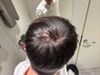
The conversation discusses the ineffectiveness of dutasteride in halting hair loss for the user and explores the potential of PP405, which works through a different mechanism. Suggestions include considering a biopsy to determine the cause of hair loss and exploring other treatments like RU58841.
BionicBell discussed using Bimatoprost, a medication typically for eyelash growth, for hair loss and mentioned a compounding pharmacy that can mix it with other ingredients like minoxidil and finasteride. They are seeking advice on using topical finasteride for female pattern baldness and are considering a custom foam combination to maximize hair growth results.
The conversation discusses the use of vasodilators like Minoxidil, L-arginine, and Niacin for hair regrowth, with Minoxidil causing intolerable side effects for the original poster. It also highlights that certain medications, including Lisinopril, antidepressants, and statins, can cause hair loss.
A user is trying fluridil/topilutamide for hair loss and experiencing side effects like pain in the testicles and genital discomfort. They previously had adverse effects with finasteride, dutasteride, and RU58841, and are considering other treatments like topical dutasteride and spironolactone for maintenance before a hair transplant.
Woman uses antiandrogens for hair thinning prevention, experiences severe dry eye with finasteride. Asks if dutasteride could be better despite potential for worse dry eye.
An 18-year-old male has been taking oral finasteride 0.25 mg daily for almost four months to address hairline recession, experiencing mild sexual side effects like softer erections and lower libido. He also uses Tugain 5%, ketoconazole, and vitamins, noticing slowed shedding but no major regrowth, and seeks advice on managing side effects and hair loss.
The user is considering lowering the dosage of finasteride and minoxidil due to side effects like mood changes, lower libido, and brain fog, while wanting to maintain hair regrowth. A suggestion was made to try a lower dose of finasteride, such as 0.2 mg.
The user is considering stopping finasteride due to depression, anxiety, and difficulty building muscle, despite its effectiveness in stopping hair loss. Suggestions include reducing the dose, switching to topical solutions, or consulting a doctor for alternatives like dutasteride or RU58841.
The user discusses a galenic hair lotion containing progesterone, estradiol, cyproterone, hydrocortisone butyrate, and cetirizine pheniramine, which has effectively stopped their hair loss over two years. They are curious about the compatibility of finasteride with the lotion's components and note that their trichologist has successfully used minoxidil and finasteride in similar treatments for others.
The conversation is about whether Saw Palmetto, which has similar but less potent effects to Finasteride, could cause the same side effects due to lowering DHT levels. The user is considering oral Saw Palmetto as an alternative to Finasteride for hair loss treatment.
The conversation discusses the safety of using 2.5mg oral minoxidil and 1mg topical minoxidil twice daily, along with finasteride, for hair loss treatment. Concerns are raised about potential blood pressure changes from oral minoxidil, suggesting a personalized risk assessment with a doctor.
A user experiencing side effects from a 5% minoxidil and 0.1% finasteride topical solution for hair loss reduced their dosage due to numbness and pain in the lower body and is seeking advice on dosage and alternatives like redensyl. They are concerned about the side effects of both medications and are considering adjusting the dose or switching treatments.
A 30-year-old man with hairline recession is considering using 1% Clascoterone cream on his hairline while awaiting a 5% Breezula product. He has been using oral Minoxidil for four years but stopped using Finasteride due to side effects.
The conversation discusses hair loss treatments, focusing on alternatives to Minoxidil, such as Bimatoprost and Latanoprost, and the use of Finasteride, Dutasteride, RU58841, and microneedling. The user plans to add Latanoprost to their regimen, which already includes oral and topical Minoxidil and Finasteride, Ketoconazole shampoo, and microneedling.
Minoxidil can prevent hair follicle miniaturization, not just stimulate hair growth. Finasteride and dutasteride don't work for everyone, suggesting DHT may not be the sole cause of hair loss; hair loss could be due to multiple factors, including autoimmune conditions.
The user is experiencing hair loss despite using estradiol, bicalutamide, dutasteride, and topical minoxidil. They stopped minoxidil temporarily, which worsened their condition, and are considering oral minoxidil but are concerned about side effects and cost.
Combining anastrozole with finasteride/dutasteride may affect hair, as anastrozole prevents testosterone from converting to estrogen, potentially increasing DHT. Users suggest using the lowest effective dose of anastrozole.
Finasteride and Propecia are essentially the same, but some people may respond differently due to inactive ingredients. If cost is not an issue, Propecia is preferred due to better quality control and consistent results.
The user started using a hair loss treatment called pyrilutamide and experienced mild chest discomfort and tightness, similar to previous side effects from RU58841. They plan to reduce the dosage due to these side effects and will provide an update on the results in 1-2 months.
The user is experiencing severe side effects from finasteride, including sleep issues, depression, and gynecomastia, and is considering stopping the medication. They are exploring other treatments like RU58841 and dutasteride but are hesitant due to potential side effects.
The conversation discusses maintaining hair regrowth using minoxidil and finasteride and whether using gt20029, which degrades androgen receptors, would affect this. Fluridil, a similar treatment, can disable over 90% of active androgen receptors.
A 27-year-old is experiencing rapid hair thinning and is considering starting minoxidil or finasteride but is concerned about their effects and side effects. They seek advice on which treatment to start and appropriate dosages.
A 17-year-old is concerned that taking finasteride might affect facial bone growth and is considering switching to topical finasteride due to its reduced systemic effects. They are also using oral minoxidil and exploring other hair loss treatments like microneedling and ketoconazole shampoo.
Clascoterone is a topical treatment for androgenetic alopecia, showing modest to moderate hair regrowth, and may be available by 2027-2028. It is considered safer than finasteride, with discussions on its effectiveness compared to RU58841 and pyrilutamide.