The conversation discusses Dr. Blake Bloxham's experiment with Verteporfin for hair loss, with one person suggesting more doctors should try it as it seems beneficial. Another comment notes that results at 4-5 months were not very impressive.
GT20026 is discussed as a potential treatment for hair loss that targets androgen receptors without affecting hormone levels, but it may not promote significant regrowth. It is expected to be available by 2028, with other treatments like Breezula and Clascoterone also mentioned.
The conversation is about the use and application of CB-03-01-2 (Breezula) for hair loss, including questions about its form, how to apply it, and the duration 10g would last. Specific treatments discussed are Minoxidil, finasteride, and RU58841.
PRP treatments have been effective for the user, with a new recommendation of using a high-quality plasma kit once a year. The user seeks experiences with this specific PRP approach.
Using a silicone shampoo brush with ketoconazole shampoo may increase hair shedding if used roughly. Hair that sheds during shampooing would have fallen out eventually.
A user hopes to regrow hair using a routine of Min/fin solution twice daily, dermarolling twice weekly, multivitamins daily, and biotin twice daily. Another user doubts the effectiveness of biotin and multivitamins.
The conversation is about someone wanting to import RU58841 or CB-03-01 from China for hair loss treatment but being concerned about receiving counterfeit products. Specific treatments mentioned are RU58841 and CB-03-01.
The user experiencing diffuse hair loss is using various treatments including RU58841, finasteride, minoxidil with tretinoin, anti-hair loss shampoo, and microneedling, and is considering adding peptides TB500, BPC157, and GHK-Cu. They have low growth hormone levels and are questioning its impact on hair loss, while another user suggests androgenic alopecia and androgens are likely the main cause of hair loss.
Scientists at UCLA have developed a promising treatment for male pattern baldness using a molecule called PP405, which can potentially stimulate dormant hair follicles. Initial trials showed significant results within a week, but larger clinical trials are needed to confirm its efficacy and safety.
The conversation is about the potential risk of permanent hair loss from PRP (platelet rich plasma) treatments and whether PRF (platelet rich fibrin) carries the same risk. The user is seeking information on this topic.
Hair follicle stem cells remain in bald individuals, but progenitor cells do not, raising questions about hair regrowth claims by Pelage. PP405 is discussed as a potential treatment, with skepticism about its effectiveness compared to existing treatments like Minoxidil and Finasteride.
The conversation discusses anticipation for CB-03-01, a potential new hair loss treatment that may be more effective and have a cleaner safety profile than finasteride. Users are hopeful but cautious, discussing current treatments like minoxidil, nizoral, and dermarolling, and the possibility of combining them with CB-03-01 for better results.
New hair loss treatments, including Breezula, VDPHL01, and PP405, are nearing Phase 3 trials, offering hope for effective solutions. Current treatments like finasteride and minoxidil remain effective, but early intervention is crucial.
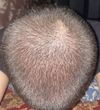
An 18-year-old noticed hair thinning at 17, started finasteride 5 months ago, and saw shedding stop but no regrowth. They suspect male pattern baldness due to family history and are concerned about thinning on the back and sides, possibly due to inflammation.
The conversation discusses "Hair bloom" hair filler, which contains biotin, collagen, and various peptides, as a potential alternative to PRP or mesotherapy for hair loss. Opinions vary, with some suggesting it may be a cash grab or ineffective, while others believe it could complement topical minoxidil for early hair loss.
MCL-1 protein may help maintain hair follicles in the growth phase and prevent miniaturization. There is interest in experimental treatments like exosomes, peptides, or stem cell serums to upregulate MCL-1 for hair loss, especially for those not using minoxidil or finasteride.
A user was frustrated with delays in getting finasteride for hair loss, was prescribed minoxidil, and found a vitamin B7 deficiency. They are questioning if the deficiency could cause receded temples and considering finding a new dermatologist.
Botox injections may be more effective than finasteride for hair growth by reducing scalp tension. The discussion also suggests choosing FUE over FUT due to potential loss of scalp elasticity with FUT.
The user stabilized hair loss with oral finasteride, dutasteride, and topical minoxidil, and underwent a stem cell and PRP procedure. Recent increased hair shedding may be due to restarting dermarolling, affecting minoxidil absorption, or the waning effects of the stem cell treatment.
Avoid layering thin or thinning hair, as it can make hair appear thinner and uneven. Proper framing and minimal layering can help maintain a fuller look, especially when using treatments like Minoxidil and Finasteride.
The conversation is about a user concerned about hair thinning despite using finasteride, minoxidil, RU58841, and recently adding dutasteride. Most responses suggest there is no noticeable difference in hair loss, attributing concerns to paranoia, and recommend continuing the current treatment or adjusting expectations.
The user is using Minoxidil, finasteride, Nizoral, and dermarolling for hair loss but is not seeing results. They are considering trying a product called "capilia longa" for beard growth and are questioning its effectiveness.
The individual has experienced a sore, stiff, and itchy scalp with hair loss for 4.5 years, and has noticed increased thinning and miniaturized hairs, especially at the temples. They have tried ketoconazole shampoo without success and are considering finasteride for treatment.
PP405 shows promise in activating dormant hair follicles and increasing hair counts but lacks detailed efficacy data compared to minoxidil and finasteride. Opinions are mixed, with some optimism and skepticism about its effectiveness.
The conversation discusses a topical finasteride therapy with hydrocortisone butyrate, estrone base, and breviline. A user suggests oral finasteride as a superior option.
The conversation discusses hair thinning potentially caused by seborrheic dermatitis, with the user considering over-the-counter treatments like Head and Shoulders, Selsun Blue, and Nizoral, while maintaining keratin-treated hair. A suggestion is made to use raw organic honey as a hair mask to treat seborrheic dermatitis without affecting keratin treatments.
The user experienced hair shedding after switching from minoxidil to finasteride and is considering switching to dutasteride or stopping pills altogether. They also stopped using a specific shampoo with probiotics, enzymatic exfoliator, zinc, and panthenol.