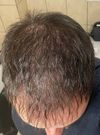
Combining minoxidil, pyrilutamide, and copper peptide is questioned, with advice to apply them separately to avoid reactions. Finasteride and minoxidil are recommended for effectiveness.
The conversation discusses a hair loss prevention regimen using a custom topical treatment with Dutasteride, Minoxidil, Latanoprost, Cetirizine, Tretinoin, Vitamin D3, and caffeine, along with supplements like iron, selenium, vitamin D, and vitamin B. The user advises against expensive treatments like LLLT caps and unnecessary natural supplements.
The conversation discusses adjusting the isopropyl alcohol, propylene glycol, and water ratios in a topical finasteride solution for better scalp comfort and less dandruff. The user considers using 20ml IPA, 25ml PG, and 15ml water in a 60ml bottle, moving away from mixing finasteride with topical minoxidil.
The conversation discusses alternatives to minoxidil for beard growth, focusing on a product called Neofollics Beard Growth Serum, which claims to be effective without using minoxidil. Concerns are raised about its ingredients and effectiveness, especially considering pet safety.
The user halted hair loss using 0.01% topical liposomal finasteride daily, with no side effects or regrowth, and recently added 5% minoxidil and low-level laser therapy. They recommend this conservative approach for those hesitant about finasteride.
The user reported healthier, firmer, and thicker hair follicles with minimal regrowth at the front after using Regenera Activa, topical finasteride, minoxidil, tretinoin, caffeine solution, and vitamin D supplements. Hair loss has stabilized with no side effects.
Topical dutasteride, particularly at 0.05%, shows greater hair density improvement than oral finasteride over 24 weeks, though hair thickness gains are similar. Some users report side effects with topical treatments, but others find them effective for maintaining hair without significant systemic absorption.
User experienced scalp irritation from Kirkland 5% liquid minoxidil, likely due to propylene glycol. They are seeking non-PG liquid alternatives that are affordable.
Scalp sunburns can cause permanent hair loss, so wearing UPF hats is essential. Tretinoin and Tacrolimus users should be cautious of increased photosensitivity and potential scalp issues.
A user shared their 4-month progress using 2.5mg minoxidil, 1mg finasteride, and 10mg biotin, noting slight testicular discomfort initially but no significant hairline changes yet. Another user reported similar treatment results, with hair darkening at the scalp center and small temple hairs.
The conversation discusses a topical formula for hair loss including Finasteride (0.025%), Minoxidil (0.5%), Tretinoin (0.01%), Caffeine (0.005%), Melatonin (0.003%), Tea Tree Oil (0.05%), Aloe (0.05%), Biotin (0.05%), and Fagron TrichoXidil (2.5%). The user considers removing Minoxidil and Tretinoin to test TrichoXidil's effectiveness.
A user discussed a new hair loss treatment combining 5% Minoxidil with Bimatoprost 0.3mg/ml, applied once daily. They referenced a study suggesting Bimatoprost may be more effective than Minoxidil.
A user has been using minoxidil without noticing improvements and is considering adding tretinoin gel to their regimen before trying RU58841. They seek advice on how to mix and apply tretinoin with minoxidil, including concentration and application frequency.
A user with alopecia areata is considering treatment options like injections or Olumiant but is concerned about cost and whether delaying treatment will lead to permanent hair loss. They are seeking alternative treatments that are more affordable for a college student.
Topicals like minoxidil and finasteride should reach the scalp, but excessive massaging can cause hair to fall out. The evaporation felt is likely the carrier substances like alcohol or propylene glycol.
A 45-year-old male used topical Minoxidil 12.5% and Finasteride 0.5% nightly for a year, with noticeable hair improvement and no side effects. He also used a dermal roller monthly and continued using creatine, attributing his hair's healthier appearance to the treatment.
The conversation discusses using 0.1% retinol as a potential substitute for 0.01% tretinoin with minoxidil for hair loss treatment. It mentions that tretinoin is not easily available in some countries, and retinol might be less effective but less harsh on the scalp.
OP is using 0.5mg dutasteride, 5mg biotin, 5% topical minoxidil twice daily, and dermarolling 1-2 times a week for hair loss. OP reports no side effects and is happy with the progress after 5 months.
A 35-year-old man shares his one-year progress using 1.25 mg oral finasteride and 5% topical minoxidil for hair loss, with no side effects and slight improvement in his front hairline. He also uses keto shampoo twice a week and a 0.5mm roller weekly.
Melatonin at a 0.0033% concentration shows results for hair loss when used topically. A user is discussing how to replicate this by adding 2mg of Melatonin to 60ml of Minoxidil solution.
The post is about whether there is any additional benefit to using alfatradiol or other estrogen treatments for hair loss if someone is already using finasteride, dutasteride, or an androgen receptor inhibitor like RU58841, pyrithione zinc, or fluridil.
Minoxidilmax offering a 0.5% Pyrilutamide solution and debating the cost, effectiveness, and safety of using it alone or with other treatments such as Finasteride and Minoxidil.
Verteporfin may improve hair transplant outcomes and reduce scarring, potentially allowing patients to avoid finasteride. Dr. Barghouthi seeks collaborations, volunteers, and financial support for research on verteporfin.org.
A user is concerned about the legitimacy of a hair growth serum called Lavdik, which they ordered after seeing an ad for Jemros. The product contains ginger extract, ginseng extract, fleece flower root, grape seed oil, glycerol, carbomer, propylene glycol, and rosemary oil, and the user is unsure if it is effective or a scam.
A dermatologist prescribed a topical solution with 7% minoxidil, 0.1% finasteride, and 0.015% tretinoin from Medrock pharmacy. The user is asking if anyone has tried it and if it contains alcohol.
A 36-year-old man is using topical 5% Minoxidil for hair thinning and is considering adding 3mg Minoxidil pills as recommended by a dermatologist. He is concerned about potential side effects and increased shedding but cannot access Finasteride due to strict regulations.
A user is considering a topical hair loss treatment with Bimatoprost 0.03%, Dutasteride 0.1%, Minoxidil 7%, and Tretinoin 0.015%, and is unsure about adding oral finasteride due to potential side effects. Another user suggests microneedling and mentions the benefits of a high protein and omega-3 diet for hair health.
A user is using a topical treatment called Formula 82f, which contains finasteride, minoxidil, and a steroid, along with Ketoconazole shampoo for hair loss. They are considering whether to switch to oral medication for better results.