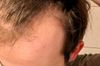
OP uses 1mg finasteride, 2.5mg minoxidil, and 10mg biotin daily, along with a biotin, caffeine, and saw palmetto shampoo. OP noticed results after 5 months, with occasional heart palpitations from minoxidil.
A 27-year-old male experienced hair loss and dermatitis, which improved with tea tree oil and neem extract. He is considering using a 2% Ketoconazole solution for further treatment.
The user is attempting to regrow hair using natural methods like microneedling, rosemary oil, and capsaicin tincture, avoiding medications like finasteride and minoxidil due to past health issues. Feedback suggests these methods are ineffective, with many recommending shaving or considering a hair system instead.
The post discusses hair regrowth progress after 3 months of using Minoxidil four times a week, dermarolling twice a week, and using an anti-gray shampoo. The conversation includes speculation about the effectiveness of the shampoo, with some users noting visible darkening and growth of hair.
The conversation discusses alternative hair growth treatments to minoxidil, including Stemoxydine, Tretinoin, adenosine, Baicalin, castor oil, Latanoprost/bimatoprost, and Redensyl. Users share their experiences and opinions on the efficacy of these treatments.
The conversation discusses an all-in-one hair loss treatment combining minoxidil, azelaic acid, finasteride, and ketoconazole, aimed at addressing hair loss and scalp dandruff without drying out the hair. The user is considering this product to incorporate ketoconazole into their routine and start using minoxidil.
The user is experiencing hair loss and is seeking a topical product without alcohol that doesn't irritate the scalp or make hair brittle. They have previously used minoxidil and finasteride but had negative experiences, and are considering a gel-based product recommended by another user.
Hair loss discussion includes homemade 15% Procyanidin B2 apple skin extract as alternative to Minoxidil. User reports thicker hair, but no new growth yet.
A 25-year-old male experienced hair regrowth after 4.5 months using a chewable treatment with 1mg finasteride, 6% minoxidil, and 2.5mg biotin, despite initial shedding and acne from accutane. Opinions on progress vary, with some noticing thicker hair and others seeing no difference or thinning.
A Swiss product called Redensyl, which is supposed to target hair follicle stem cells and has recently been marketed in Europe. The post inquires if anyone has had any experience with the product.
A 27-year-old at Norwood 3 is starting a hair loss treatment journey using finasteride, dutasteride, minoxidil, biotin, scalp massages, and ketoconazole shampoo. The focus is on reducing DHT and stimulating growth, with finasteride emphasized as the key long-term solution.
The conversation is about someone experiencing significant hair regrowth after nearly three months using finasteride, minoxidil, and ketoconazole shampoo. Specific treatments mentioned include finasteride, minoxidil, and ketoconazole shampoo.
A 23-year-old noticed crown thinning and started using 1.25mg finasteride, biotin supplements, biotin/collagen shampoo, and 1% nizoral shampoo. After 3 months, they reported improvement and side effects that subsided after 2 months.
PP405 is a potential hair loss treatment that may reactivate dormant hair follicles, with Phase 3 trials expected. Some users are cautious, suggesting using finasteride in the meantime, while others are skeptical about PP405's effectiveness.
A 22-year-old is experiencing worsening hair loss despite using a doctor-prescribed serum and shampoo. They are seeking advice on additional treatments like Minoxidil, finasteride, or RU58841.
The user is using 5% Minoxidil, a 1 mm derma stamp, Vitamin D3, Zinc, and anti-dandruff shampoo for hair regrowth. They plan to consider DHT blockers like finasteride in the future.
A user shared their hair loss treatment routine, which includes oral and topical Minoxidil, dermarolling, Keto shampoo, multivitamins, Biotin, oils, protein intake, and water. Another user suggested adding finasteride and continuing the routine for 6-12 months.
The user experienced side effects from spironolactone and is seeking alternatives for androgenetic alopecia (AGA), considering saw palmetto but unsure of its effectiveness. They are also exploring the possibility of using topical spironolactone, despite availability challenges.
After suffering from hair loss and Seborrheic Dermatitis for three years with no improvement from various treatments, the individual found success with COQ10 and PQQ supplements, which led to new hair growth and a healthy scalp without flare-ups. They also plan to start additional supplements recommended by a dermatologist.
A 27-year-old male experienced significant hair regrowth in two months using a daily oral 3-in-1 pill containing 1.1mg finasteride, 5mg minoxidil, and 1mg biotin from LockLab, with no side effects reported. The user also uses a derma-stamp twice a week to promote blood flow and stimulate growth.
The conversation discusses various hair loss treatments, including minoxidil, finasteride, dutasteride, pyrilutamide, alfatrodial, and nizoral, with a focus on the potential of new treatments like gt20029 and breezula. There is optimism about novel treatments that don't have systemic effects, although skepticism remains about the effectiveness of some new drugs.
The conversation discusses "Hair bloom" hair filler, which contains biotin, collagen, and various peptides, as a potential alternative to PRP or mesotherapy for hair loss. Opinions vary, with some suggesting it may be a cash grab or ineffective, while others believe it could complement topical minoxidil for early hair loss.
The product being promoted is likely ineffective for hair regrowth, as it lacks key ingredients like minoxidil and finasteride, and may rely on deceptive marketing tactics such as lighting tricks. Users suggest that proven treatments like minoxidil and finasteride are more reliable for hair loss.
The conversation discusses using scalp antiandrogens like RU58841, pyrilutamide, or fluridil on the face to reduce sebum production, noting that clascoterone (winlevi) is an approved facial antiandrogen with underwhelming reviews.
Stem cell-related treatments and drugs like RCGD423 and WAY are being tested for hair growth. Clinics are conducting tests on patients who haven't had previous treatments.
The conversation discusses being overwhelmed by the variety of hair loss treatments, including finasteride, minoxidil, ketoconazole shampoo, caffeine shampoo, and other supplements like biotin and saw palmetto. The user expresses uncertainty about which treatments to use.
A user claims to have reversed baldness, possibly due to telogen effluvium recovery after weight loss. Others discuss the potential success of using GHK-Cu for hair regrowth.
A 20-year-old experiencing hair loss uses minoxidil, Nizoral shampoo, vitamin D, and biotin. They are considering finasteride or dutasteride and are advised to consult a doctor for diagnosis and possible oral treatments.