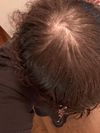
User tried dermarolling for hair loss and shared progress pictures. Some suggest adding finasteride and minoxidil, while others debate effectiveness and frequency of dermarolling.
The conversation is about finding affordable Dutasteride capsules for hair loss treatment. Users discuss prices, sourcing from IndiaMart, and dosage recommendations, with advice against taking two capsules daily.
User maintained hair with finasteride for 6 months, then switched to dutasteride for 7 months, using DHT blocking shampoo, keto 2% shampoo, and microneedling. Significant hair growth observed, especially on right temple.
The ineffectiveness of Strut Health's dutasteride capsules, which are filled with raw powder instead of liquid and don't contain any buffering agents that would allow for absorption into the bloodstream. It is suggested to use other brands of liquid-filled dutasteride capsules for better results.
Taking oral Vitamin D alongside topical minoxidil improves hair density more than using minoxidil alone. Users discuss Vitamin D dosages, potential benefits, and the importance of combining it with Vitamin K2.
A peptide-based hair loss treatment, PP405, reportedly increased hair density by 62% in 90 days, but these claims are unverified and met with skepticism. Users compared PP405 to Minoxidil and Finasteride, expressing doubts about its effectiveness without more evidence.
Switching from finasteride to dutasteride caused significant shedding but minimal side effects. The user plans to continue dutasteride for 12 months despite concerns about hair density.
The user is using a hair regrowth protocol including dutasteride, topical and oral minoxidil, dermarolling, ketoconazole shampoo, and tretinoin, but is experiencing slow progress and seeks advice for faster regrowth. Suggestions include quitting smoking, adjusting the regimen, and considering additional treatments like topical finasteride or RU58841.
Concerns about a potential finasteride ban in the EU, possibly affecting the US, are discussed. Users doubt a ban, citing its widespread use and suggest alternatives like minoxidil and dutasteride.
Hair loss treatments, specifically finasteride and minoxidil, being used by wealthy individuals to combat their genetic predisposition to baldness. It also discussed other potential treatments such as RU58841 and dutasteride.
A user is making their own dutasteride solution using MCT oil but is concerned about its effectiveness and bioavailability. They are considering using propylene glycol or adding ethanol for better results, while others suggest the current dosage might be excessive.
The user shared 9-month results using a 4-in-1 spray containing finasteride, minoxidil, ketoconazole, and biotin, along with lifestyle changes like jogging, quitting smoking, and using collagen supplements. They also incorporated dermastamping, dermarolling, and various oils into their routine, reporting positive hair regrowth.
Finasteride and Dutasteride are used for hair loss, with Dutasteride often in gel form for better bioavailability. Switching from Finasteride to Dutasteride is common, with some users combining treatments like Minoxidil for improved results.
The user regrets not continuing hair loss treatment with finasteride earlier and plans to restart it along with minoxidil. Another user suggests trying dutasteride and oral minoxidil as a more effective treatment.
A 21-year-old individual questioning the safety and potential side effects of using Dutasteride for hair loss, after Finasteride and RU58841 had limited effect. The responses vary, with some users suggesting it's safe and others advising to check hormone levels before proceeding.
Reishi mushroom is significantly weaker than finasteride for inhibiting 5 alpha reductase, requiring much larger quantities to achieve similar effects. The effectiveness and safety of consuming large amounts of Reishi for hair loss are uncertain.
A participant using Veradermics VDPHL01, an extended-release oral minoxidil, experienced significant hair regrowth from Norwood 6 to Norwood 3V without side effects. They plan to use dutasteride after the treatment to maintain results.
Red light therapy has shown promising results in hair regrowth for the user, who avoids minoxidil and finasteride due to side effects. The user follows a healthy lifestyle with diet, exercise, and sauna use, and will continue monitoring the therapy's effectiveness.
Users discussed their experiences with hair loss treatments, primarily finasteride (Fin) and dutasteride (Dut), often combined with minoxidil (Min) and derma rolling. Many reported mixed results, with some seeing slowed hair loss and others experiencing side effects or minimal improvement.
Switching from finasteride to a generic dutasteride led to unexpectedly high DHT levels, prompting a switch to a reputed brand and consideration of softgel capsules for better absorption. The user plans to retest DHT levels and may return to finasteride if issues persist.
Developing new hair loss treatments is challenging due to the complexity and cost of trials, and a permanent cure is unlikely soon. Current treatments like Minoxidil and finasteride are used continuously because hair loss is progressive, and future possibilities include gene editing and hair cloning.
PP405 is expected to finish Phase 2 trials in late 2025, with potential market availability around 2028-2029 if all goes well. Current treatments like finasteride and minoxidil are still popular, while new options like KX-826 and Breezula are anticipated soon.
Moringa extract and oil are suggested to help with hair loss, with some users combining it with treatments like minoxidil, finasteride, and dutasteride. Moringa is claimed to improve hair growth and health, but evidence is mostly anecdotal.
Hair follicles don't truly die but become severely miniaturized. Treatments like finasteride, dutasteride, and minoxidil can help restore hair by providing nutrients and reducing harmful effects on hair roots.
A user shared a 6-month progress picture showing improvement in hair loss using biotin and minoxidil. They also mentioned dealing with stress, diet issues, and seborrheic dermatitis.
The conversation is about hair loss treatments, specifically using dutasteride and oral minoxidil, and exploring additional vitamins and supplements like vitamin D, zinc, biotin, and omega-3 to support hair health. Users suggest getting a blood panel to identify deficiencies and emphasize the importance of protein and overall nutrition.
Tazarotene shows potential as a standalone treatment for hair regrowth by stimulating new hair follicle formation and promoting angiogenesis, similar to microneedling effects. It can be used topically without minoxidil, but users should start with a low concentration to avoid irritation.
A 24-year-old man is experiencing hair shedding after starting Minoxidil and Creatine, and is concerned about accelerated hair loss. A user suggests that Creatine does not increase DHT levels and recommends considering oral Dutasteride, low-dose oral Minoxidil, and Ciclopirox Shampoo, advising consultation with a doctor.
A 27-year-old male reported significant hair improvement after 6 months on 0.5 mg Dutasteride daily and 2.5 mg Minoxidil daily, with Nizoral shampoo twice a week. He experienced increased body/facial hair but no other side effects, and his hair density and hairline improved.
A user with early-stage diffuse hair thinning asked for long-term success stories using treatments like finasteride, minoxidil, and RU58841. One person regained most of their hair after 22 months on finasteride and minoxidil, while another saw significant improvement with oral minoxidil after trying various treatments over many years.