Creatine may cause hair shedding and texture changes, with mixed user experiences. Combining creatine with finasteride doesn't always prevent these effects, possibly due to individual DHT sensitivity.
Hyperbaric Oxygen Therapy (HBOT) is discussed as a potential treatment for androgenic alopecia due to its ability to reverse hypoxia and promote angiogenesis. The conversation explores its potential benefits for hair loss, though no studies have been conducted on this application yet.
The conversation confirms that to make a 5% RU58841 solution, 1.5 grams should be added to 30 mL of KB Solution. The discussion involves calculating the correct dosage for hair loss treatment.
Hair loss theory involves 3alpha-hydroxysteroid reductase (3AHD) converting DHT to androstenol. Discussion explores potential treatments and encourages more research.
The conversation is about gratitude for a channel that provides support and advice on hair loss treatments, including micro-dosing finasteride, using a derma pen, ketoconazole shampoo, and a topical oil. Some users express appreciation for the community, while others reflect on their experiences and the information shared.
The user is concerned about hair thinning and has been using finasteride 1mg and minoxidil 5%, along with Alpecin caffeine liquid and vitamins. Others suggest continuing the treatment, as it seems to be stabilizing the hair, and advise against stopping the medication abruptly.
Checking vitamin and hormone levels is important for addressing hair loss, as deficiencies in vitamin D, zinc, and iron can affect hair growth. Treatments like finasteride, minoxidil, and vitamin supplements are used, but addressing deficiencies is crucial for effectiveness.
Addressing hair loss by focusing on posture, blood flow, and craniofacial development. Methods include improving posture, cardiovascular activity, scalp massages, healthy diet, meditation, using minoxidil, and addressing craniofacial issues.
People are discussing hair care products and shampoos, with some using ketoconazole 2% and others mentioning products like NATIVE brand and Dr. Bronner’s peppermint soap. There's a focus on scalp health and the potential benefits of certain shampoos for aiding minoxidil absorption.
Finasteride may affect blood sugar and metabolism, with some users reporting increased blood sugar and changes in body composition. To manage potential side effects, users suggest exercise, intermittent fasting, and dietary adjustments.
The conversation discusses hair loss treatments, including finasteride, microneedling, minoxidil, and PTD-DBM. The user has not noticed significant regrowth and is considering cost-effective options like valproic acid.
Controlling insulin levels through intermittent fasting and a low glycemic diet may improve hair quality by reducing androgens. It's important to maintain proper nutrition, including electrolytes and protein, during fasting.
A user reports high DHT levels despite taking finasteride and is concerned about inconsistent blood test results. They also take modafinil, vitamin D, and magnesium supplements.
A 21-year-old male diagnosed with telogen effluvium and male pattern baldness started taking finasteride, which initially slowed hair shedding and slightly thickened hair. The doctor recommended iron and vitamin D supplements, and the user is considering minoxidil but wants to stabilize shedding first.
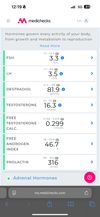
After 4 months of using topical finasteride and minoxidil, blood tests showed increased E2, Test, and Prolactine levels. The user is concerned about potential side effects like gyno and is seeking advice on managing these values.
OP uses 1mg finasteride, 2.5mg minoxidil, and 10mg biotin daily, along with a biotin, caffeine, and saw palmetto shampoo. OP noticed results after 5 months, with occasional heart palpitations from minoxidil.
The study on creatine monohydrate's effect on hair loss was withdrawn due to lack of support. Users discussed concerns about creatine potentially accelerating hair loss, especially for those using finasteride.
The conversation discusses Pyrilutamide for hair loss, with skepticism about its legitimacy and mentions of an upcoming press release from Kintor. It also references ongoing trials and includes links for further information.
Creating a carrier solution for topical hair loss treatments using ethanol, propylene glycol or glycerin, and instructions on creating topical finasteride. Different recipes are provided with varying ratios of alcohol to humectant.
The user experienced hair repigmentation and attributes improvements in hair and overall health to a carnivore diet, Boron, and Selenium supplementation. They stopped using finasteride after 20 years, noticed increased testosterone and libido, and observed hair regrowth with RU58841.
A user started taking Musely men's bloom hair pill, which contains minoxidil, dutasteride, and vitamins, and noticed a stop in hair shedding after switching from other hair loss treatments like hims and Keeps. They are questioning the effectiveness of the Musely pill due to its lower dosage of active ingredients and are curious about others' experiences with the product.
A user discusses their doctor's recommendation of vitamins, biotin, collagen, shampoos, and 2.5mg minoxidil for hair loss. Replies suggest minoxidil is useful, and finasteride should be added for male pattern baldness.
The conversation is about a person's hair loss treatment routine, which includes Metformin, sleep in darkness, avoiding EMF at night, Nizoral, Dermarolling, Castor oil, and Collagen. They have observed less hair shedding and increased hair volume.
The conversation is about sourcing raw ingredients like finasteride, dutasteride, minoxidil, and tretinoin for making hair loss topicals. A suggestion is made to check Anagen Inc. for these ingredients or contact local suppliers for bulk purchases.
A user plans to create a custom topical solution by adding finasteride, caffeine, cetirizine, and melatonin to a minoxidil bottle, questioning the stability and effectiveness of this mix. Concerns include potential crystallization and solution muddiness with added ingredients.
The safety of combining alfatradiol and fluridil with finasteride as a potential treatment for male pattern baldness, which is approved in the European Union. Other treatments such as minoxidil and RU58841 were also discussed.
A user reported that after using a topical mix of finasteride and minoxidil, their DHT levels decreased, testosterone and estradiol levels lowered unexpectedly, and they are considering vitamin D3 supplements due to deficiency. They apply the mix 3-4 times a week and use minoxidil on other days. Another user commented that finasteride typically increases testosterone, not decreases it.
The conversation discusses the pros and cons of buying a mixed topical bottle of minoxidil and finasteride versus separate products for hair loss treatment. Concerns are raised about the finasteride dosage and the inclusion of tretinoin in one of the products.
A user was prescribed betamethasone dipropionate spray for a receding hairline, which caused skin peeling and depigmentation. They stopped using it and are considering alternatives like BPC-157/TB-500 for healing.