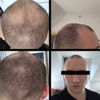
Small hairs around the hairline may regrow with continued use of minoxidil, finasteride, and ketoconazole. The user is hopeful about hairline improvement.
The conversation is about the availability of hair loss treatments Breezula, SM04554, Follica FOL-004, and Follicum FOL-005 in Canada after FDA approval, including potential delays, loopholes for obtaining them, and insurance coverage.
The user follows an intensive hair loss protocol including dutasteride, biotin, black tea, pumpkin seed oil, peppermint shampoo, rosemary conditioner, mukemame, soy milk, lycopene, garlic, magnesium, chamomile, spicy food, citrus bergamot, zinc, multivitamins, kefir, and Greek yogurt. They plan to alternate between pumpkin seed oil and safflower oil and will share before and after pictures.
A 23-year-old plans a hair transplant and uses finasteride, Essengen 6 Plus, ketoconazole shampoo, dermarolling, vitamins, and Foligain capsules. He seeks advice on his regimen and the timing of the procedure, considering family history and potential future hair loss.
KY19382 is discussed as a potential treatment for creating new hairfollicles and possibly curing hair loss. The conversation seeks user experiences and sourcing information for KY19382.
Minoxidil, finasteride, and RU58841 are discussed as treatments for hair loss. Concerns about AI-generated content accuracy and misinformation are raised.
A serum with oleic and palmitoleic acids shows promise for hair regrowth in mice, but its effectiveness in humans is unproven. Minoxidil and finasteride remain the recommended treatments.
Discussion on hair loss treatments, focusing on pp405, with skepticism about its effectiveness and concerns about its association with the cosmetic industry. Users also mention treatments like Minoxidil and Finasteride.
SCUBE3, a protein linked to hair growth in moles, was discovered over 25 years ago and is being developed by Amplifica for potential hair loss treatment. Concerns exist about SCUBE3's association with cancer, as it is a protein that promotes cell growth, which could potentially trigger cancer development if used for hair growth therapy.
The user discovered that a buildup of sebum and residue was preventing Minoxidil and finasteride from working effectively. After thorough scalp cleaning, hair shedding reduced significantly, and microneedling became more effective.
A user underwent a hair transplant with 3500 grafts after trying treatments like finasteride and minoxidil, preferring a local clinic in Toronto over traveling to Turkey. The user plans to continue using finasteride to maintain existing hair, as the transplanted hair is DHT resistant.
The user is experiencing significant hair loss and has tried treatments like PRP therapy, topical and oral Minoxidil, Finasteride, and dietary changes, with limited success. They are concerned about losing more hair before a scheduled hair transplant and are advised to postpone the transplant to allow medications more time to work.
DHT may inhibit hair growth by affecting mitochondrial function, leading to hairfollicle miniaturization. Treatments like minoxidil and PP405 may promote hair growth by altering metabolic pathways, potentially counteracting DHT's effects.
A 20-year-old engineering student discusses balding experiences with barbers, mentioning treatments like PRP and rosemary oil masks, which slowed but didn't stop hair loss. The conversation humorously touches on the stereotype of engineers balding due to stress and suggests considering treatments like finasteride.
The user has been microneedling at 0.25mm once a week for 4 weeks and noticed further hairline recession. They are concerned about the impact of vitamin deficiencies, like biotin, on hair growth.
Researchers finding that microRNA can potentially regrow 90% of lost hair, and the challenges involved in moving this research forward to human trials. Various treatments for hair loss, such as finasteride and minoxidil, have been discussed.
Concerns about the potential high cost of new hair loss treatments, pp405 and gt20029, were discussed, with some users willing to pay a premium if they are effective. Alternatives like finasteride and minoxidil are mentioned as current, more affordable options, and there is speculation about future generic versions and black market availability.
The conversation is about using Verteporfin with microneedling as a potential hair loss treatment that may regenerate hairfollicles with minimal scarring. There are concerns about the optimal dosage and the DHT sensitivity of the new follicles.
The user is concerned about hair loss and is considering treatments like finasteride and minoxidil but is unsure about their effectiveness and side effects. They have experienced mixed reactions to shaving their head and are struggling with confidence due to balding.
The conversation discusses CRISPR-on & CRISPR-off as a potential cure for baldness, contrasting it with hair cloning and other treatments like Minoxidil, finasteride, and RU58841. It also mentions the potential of mRNA for gene expression control and the prioritization of gene editing for severe genetic conditions.
Hairfollicles often go dormant rather than die, and treatments like minoxidil can help revive them. Scalp health and stimulation, such as massages and using products like sulphur soap, are also important for hair regrowth.
A peptide-based hair loss treatment, PP405, reportedly increased hair density by 62% in 90 days, but these claims are unverified and met with skepticism. Users compared PP405 to Minoxidil and Finasteride, expressing doubts about its effectiveness without more evidence.
A 24-year-old male is considering a hair transplant after unsuccessful attempts with oral minoxidil, topical finasteride, ketoconazole shampoo, and lifestyle changes. He believes smoking and caffeine may worsen his hair loss and is looking into hair fibers for temporary coverage.
PP-405, a potential hair loss treatment, shows promise in stimulating dormant hairfollicles and may help with various hair loss types. Current treatments like Minoxidil are still recommended as PP-405 is in early trials and may take years to become available.
The conversation discusses skepticism about the effectiveness of new hair loss treatments, mentioning that despite 40 years of research, only accidental discoveries like Minoxidil and Finasteride have been made. It also notes that drug development is a slow process, often taking a decade or more to bring a new drug to market.
A user shared impressive hair growth results after 77 days using oral finasteride, topical minoxidil, and weekly microneedling. They reported thicker, darker hair and minimal shedding, with treatment costs around 30 euros per month.
Natural remedies like rosemary oil, coconut oil, and onion juice are generally seen as less effective compared to medical treatments like finasteride, minoxidil, and microneedling. Some users believe natural oils can help, but modern medicine is often more reliable.
TDM-105795 showed better efficacy and safety in trials for hair loss, with a higher hair count improvement compared to GT20029 and HMI 115, but it's not as widely discussed. The user is questioning why this is the case.