TGF-B affects hair growth, both causing stem cell division and death depending on amounts. Amplifica's treatment injects Scube3 to increase TGF-B for hair growth.
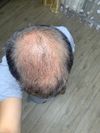
A user is considering a hair transplant combined with dutasteride and oral minoxidil to improve results despite having a large bald area. They seek advice on whether this combination is worth trying.
The user experienced hair loss after chikungunya and started PRF (platelet-rich fibrin) injections with injectable Dutasteride, noticing new hair growth. They are hopeful for continued improvement.
AMP-303, a new injectable treatment for androgenetic alopecia, showed promising results in increasing hair count and density with minimal side effects. The treatment demonstrated significant hair regrowth and durability, offering new hope for those with hair loss.
The user experienced significant hair regrowth using a topical solution of minoxidil 5% and finasteride 0.1% over 100 days, with plans to continue for a year before switching to a maintenance dose. Despite skepticism from others about using hair fibers, the user insists on the authenticity of their progress and reports no side effects from the treatment.
A user shared their positive experience with hair regrowth using minoxidil, hormone replacement therapy, and cyproterone acetate during their male-to-female transition. Another user discussed their successful hair transplant after transitioning and using finasteride, highlighting the challenges of hair loss and regrowth during transition.
Chris's hair transplant looks better, but the hairline is criticized for being too straight and unnatural. Some recommend using finasteride and minoxidil for maintenance.
The user tried various hair loss treatments including minoxidil, finasteride, hormone therapy, dutasteride, microneedling, and natural oils. They plan to continue their regimen and may consider surgical options if results are unsatisfactory.
Peptides like TB500, KPV, GHK-CU, and BPC-157 are overhyped for hair growth with limited proven effectiveness in humans. Combining peptides with delivery methods like iontophoresis and sonophoresis shows promise, but many claims remain unproven.
This conversation discusses the advancements in treatments for hair loss, including finasteride, dutasteride, minoxidil and new promising treatments such as pyrilutamide and verteporfin. Other treatments discussed were taking minoxidil orally, tretinoin to turn non-responders into responders and microneedling to further boost growth.
The user has been using Dutasteride for over a year for hair loss and is considering a hair transplant if it doesn't work. Suggestions include adding Minoxidil and microneedling, but some advise against a transplant as the current treatment seems effective.
A new hair loss treatment using dermal exosomes can restore up to 90% of lost hair in mice. Users discuss potential human trials and compare it to Minoxidil and Finasteride.
A user shared their positive experience with a 2,600 grafts hair transplant surgery in India, expressing optimism about the results. The conversation also debated the necessity of medications like finasteride to maintain hair transplant results and prevent further hair loss.
A user shared a 5-month update on their hair transplant, praising the natural results and the surgeon in Patna, India. They mentioned using 2000 grafts at a cost of 90,000 INR and discussed the importance of taking finasteride or dutasteride to maintain the transplanted hair.
A 28-year-old male shares his 12-step hair regrowth routine, including finasteride, minoxidil, RU58841, LLLT, dermarolling, various shampoos, supplements, and a healthy diet. He seeks advice on microneedling frequency and mentions experiencing lowered libido and occasional scalp inflammation.
A user successfully stopped balding by switching from topical to oral minoxidil, finasteride, and biotin, noting significant improvement after a year. They emphasize the importance of oral finasteride and consistent use for hair regrowth.
A person suspects their friend had a hair transplant instead of stem-cell injections due to a noticeably straight hairline. The discussion includes opinions on hair transplants, societal perceptions, and suggestions like using finasteride to maintain hair.
Hair loss can be treated by correcting glucose metabolism in hair follicles and using equol as a safer DHT blocker. Production of these treatments is starting soon, and a Discord channel is available for more information.
The user has been using a combination of finasteride/dutasteride, minoxidil, tretinoin, and hydrocortisone with microneedling and ketoconazole shampoo for hair loss. They are asking if the baby hairs growing will turn into terminal hairs with continued treatment.
The conversation discusses the use of Verteporfin in hair loss treatment. It suggests that Verteporfin could potentially regenerate hair follicles instead of forming scars, providing an unlimited donor supply for hair transplants.
Stem cell-related treatments and drugs like RCGD423 and WAY are being tested for hair growth. Clinics are conducting tests on patients who haven't had previous treatments.
A user shared their 1.5-year hair restoration journey, successfully using mesenchymal stem cell therapy, Platelet Rich Plasma (PRP) injections, and a topical compound of finasteride and minoxidil, avoiding a hair transplant and oral finasteride. They experienced significant hair regrowth, particularly crediting the stem cell therapy for quick initial results.
The user has been using finasteride and minoxidil for hair loss for 2 years and started microneedling, now considering a hair transplant in Mexico. Suggestions include trying dutasteride, oral minoxidil, and various opinions on hair transplant locations and the user's current hair condition.
A user shared their positive experience with a 3200 graft hair transplant surgery, costing 1.20 lakh INR, performed by a doctor with a background at Eugenix. Post-surgery, they were instructed to use minoxidil 5% topically, take finasteride tablets, and undergo PRP treatments.
A 32-year-old man had a successful hair transplant in Atlanta, using 1mg finasteride and 5% topical minoxidil daily, which greatly improved his confidence and appearance. He spent about $13,000 and is very satisfied with the youthful results and increased happiness.
A 27-year-old male with diffuse hair loss, including the donor area, did not respond to finasteride, dutasteride, or minoxidil. He suspects his hair loss may be linked to a mild connective tissue disorder, possibly affecting the structural support of hair follicles, rather than being purely hormonal.
A user has been experiencing hair loss for 4 years, with treatments like minoxidil, finasteride, and various supplements proving ineffective. They were diagnosed with fibrosing alopecia in a pattern distribution, a condition that may require a combination of anti-inflammatory and hair growth treatments.
Emerging hair loss treatments like PP405, a topical MPC inhibitor, show promise in activating stem cells for hair growth. The conversation seeks information on the development stages and accessibility of these treatments.
A 27-year-old is using finasteride, minoxidil, microneedling, and Pilexil shampoo to combat hair loss, with plans to add Nizoral shampoo and light stimulation. Initial results show reduced hair loss and some hair thickening, despite a period of shedding.
The user experienced significant hair regrowth over 10 months by using 1.5mg oral finasteride and minoxidil daily, along with weekly derma stamping, after a previous hair transplant and initial thinning. The conversation highlights the importance of using DHT blockers post-transplant to maintain results.