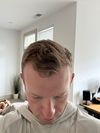
The conversation discusses personal experiences with hair loss treatments, specifically Minoxidil and Finasteride, with some users regretting not starting treatment earlier and others experiencing side effects. Some users are considering or have switched to topical formulations due to side effects from oral medications.
The user shared their 5-year hair loss journey, initially using a product called Triphasic Progressive by Rene Furterer, which gave good results. Later, they switched to FDA-approved medications finasteride and minoxidil, which also helped, but they noticed the most significant progress with Triphasic. They're considering trying it again if minoxidil doesn't show improvements.
The conversation discusses hair loss treatments, specifically the use of dutasteride, finasteride, and other methods like PRP, laser, and mesotherapy. Despite these treatments, the user is experiencing hair loss, and others suggest consulting a dermatologist, considering alternative treatments, and addressing potential scalp inflammation.
The conversation discusses improvements to a platform and mentions hair loss treatments including Minoxidil, finasteride, RU58841, and melatonin. It also highlights the addition of features like Google login, reply by email, keyword extraction, and a term glossary for better understanding of hair-related terminologies.
The user experienced significant hair improvement after switching from topical to oral treatments, using finasteride, minoxidil, and biotin. They reported no major side effects, except for slightly thicker hair on their hands.
The user has been using finasteride and dutasteride for hair loss but is experiencing low energy and motivation, possibly due to high prolactin levels. Despite treatment, hairline recession continues, and the user is considering the impact of low DHT levels on overall health and energy.
The user experienced significant hair regrowth using a topical treatment of Minoxidil and Finasteride, despite some brain fog as a side effect. They recommend starting treatment early and suggest topical options to minimize side effects compared to oral treatments.
Hair loss is influenced by scalp tension, stress, and environmental factors, not just hormones. Treatments like tretinoin, microneedling, scalp massage, and Botox can reduce tension and improve hair health.
A user shared progress pictures after 50 days of using finasteride, topical minoxidil, and ketoconazole shampoo for hair loss, noting significant hair growth and expressing surprise at the results. They plan to continue the treatment and possibly incorporate a dermastamp and increase minoxidil application if growth plateaus.
A user is testing clascoterone (Winlevi) on their scalp for hair loss and has noticed a reduction in scalp sebum after one month. They are also using other unspecified treatments and plan to provide an update after the second month.
The user shared their journey with hair loss, using minoxidil initially, then adding microneedling and finasteride, and finally undergoing a hair transplant. They expressed regret for not using finasteride earlier due to fear of side effects and found the combination of treatments effective in the end.
The user is concerned about hair loss and is using treatments like dutasteride, microneedling, and topical finasteride, while considering adding RU58841. They are also using Minoxidil on the temples and are worried about testosterone-related hair loss.
Scalp massages may help with hair loss, but results require significant time and effort, and benefits stop when massages stop. Some users combine massages with topical minoxidil and finasteride for better results.
A user's progress with treating their hair loss by using Minoxidil twice daily and finasteride once daily, as well as suggestions to add microneedling and avoid tying the hair back.
The user is considering using topical finasteride for thinning hair around the middle part, vertex, and crown, and is unsure if the whole scalp is thinning. Another user suggests oral finasteride is more effective than topical, and recommends consulting a dermatologist for proper treatment.
A 22-year-old is using a hair loss treatment protocol including dutasteride, microneedling, 10% minoxidil, 0.1% finasteride topical, a healthy diet, and a hair multivitamin. Users discuss the effectiveness of microneedling and the intensity of the treatment.
Hair loss treatments, specifically the use of oral minoxidil in combination with micro-needling. Oral minoxidil has been found to improve hair density in 90% of patients with a low side effect profile, but using 5mg per day can result in higher side effects including hypertrichosis and edema. Other treatments mentioned include finasteride and RU58841.
A 47-year-old man has been using a topical spray containing minoxidil, finasteride, biotin, and ketoconazole for hair loss but has not seen any regrowth and is experiencing more hair loss. He is considering switching to a pill form due to frustration with the lack of results.
User RG737 considers hair system as last resort for hair loss, as finasteride and alternative remedies didn't work. Jeff-92 shares positive experience with hair system, suggesting to try it and push through initial doubts.
The user reversed male pattern baldness using a pro-thyroid diet, lifestyle changes, and scalp stimulation exercises, without Minoxidil or Finasteride. They reported reduced dandruff, itchiness, oiliness, and experienced hair regrowth and thickening over 15 months.
The conversation discusses treatments for scalp inflammation, suggesting options like scalp massage, changing shampoos, using aloe vera, Tgel, nizoral shampoo, topical cetirizine, and consulting a dermatologist. Finasteride was mentioned as helpful for reducing inflammation, but with side effects.
The user improved hair health using natural products and plans to start using minoxidil, finasteride, and derma stamping for further hairline improvement. They wash hair weekly with Sweet Ginger shampoo and use Bamboo Charcoal for deep cleansing, while conditioning twice a week.
The post discusses a hair loss treatment routine involving dutasteride, topical finasteride, rosemary oil/onion juice/coffee solution, and stemoxydine. The user emphasizes the importance of consistency, realistic expectations, and a healthy lifestyle.
A user shared progress pictures showing significant hair regrowth after using finasteride and minoxidil for six months. Other users discussed their varied experiences with these treatments and offered additional advice.
A user is worried about hair loss despite using finasteride, oral minoxidil, and keto shampoo for two years and is considering switching to dutasteride. Responses suggest patience, lifestyle changes, or trying additional treatments like microneedling.
Hair loss concerns and treatments like Minoxidil and Finasteride are humorously discussed. The community's quirks and dedication to battling hair loss are highlighted.
Datwagg63 started taking finasteride for hair loss and supplements it with omega 3, vitamins, and a low-carb diet while lifting weights. InternationalBerry suggested adding minoxidil, as it's considered the second most effective treatment after finasteride.
People are discussing the use of finasteride for hair loss and the importance of hormonal blood testing to monitor effects like changes in DHT and estradiol levels. Some users also mention using minoxidil and the potential side effects of estradiol, such as gynecomastia, especially at higher doses.
The conversation discusses the potential of using topical estrogen treatments for hair loss without systemic absorption, highlighting challenges and possible solutions like using estriol. It also mentions other treatments like topical finasteride, microneedling, and scalp massage, while noting the limitations and side effects of current options.