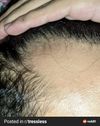
The conversation discusses the effectiveness of topical Rapamycin for hair regrowth and color restoration. Specific treatments mentioned are Minoxidil, Finasteride, and RU58841.
The user shared progress pictures after using a topical treatment of 0.3% finasteride and 6% minoxidil once a day for a year, noting improvement in the front but needing suggestions for the crown. They confirmed using a product from Hims.
Finasteride is not effectively stopping hair loss for the user, who is considering alternatives like Dutasteride, Minoxidil, and microneedling, but is hesitant about surgery or hair systems. The user expresses frustration with the lack of effective treatments for male pattern baldness.
TWIST-1 gene's role in hair loss and potential as a treatment target. Inhibiting TWIST-1 may prolong hair growth and reduce hair follicle sensitivity to DHT.
Minoxidil can prevent hair follicle miniaturization, not just stimulate hair growth. Finasteride and dutasteride don't work for everyone, suggesting DHT may not be the sole cause of hair loss; hair loss could be due to multiple factors, including autoimmune conditions.
A 29-year-old male shares progress pictures after 4 months using finasteride and 2% ketoconazole shampoo, noting initial shedding but overall improvement. He avoids minoxidil and microneedling, and reports thicker hair in balding areas while maintaining high water intake.
The conversation discusses using Rogaine (Minoxidil) and ketoconazole for hair regrowth, with interest in trying a formulation with Azelaic Acid for potentially better results. Concerns about Azelaic Acid's effectiveness and safety, including skin sensitivity to sunburn, are mentioned.
The post and conversation are about a user's 4-month hair regrowth progress using 3mg minoxidil, 2.5mg biotin, 1.1mg finasteride daily, and occasional dermarolling. The user reports significant improvement without using topical treatments.
The user has been using finasteride, minoxidil, and needling for 11 months with limited progress and plans to add sulforaphane for 3 months. Another user suggested trying Procyanidin B2 for better results.
The user experiences irritation from alcohols in minoxidil and is considering alternatives like trichosol mixed with polyethylene glycol or DMSO. They seek advice on the best nonirritating option.
Breezula's phase 3 enrollment for hair loss treatment is complete, but results have not been published, causing skepticism about its progress. Some users express doubt about its future, suggesting it may be reserved for exclusive use.
User discusses hair loss treatments including Minoxidil, Finasteride, and RU58841. Various suggestions given, such as topical estrogen, vitamins, and shaving head.
A 27-year-old male is experiencing a recurring pattern of hair loss after 5 months of using oral minoxidil and finasteride, despite initial success. He is considering using topical androgen receptor blockers like RU58841, pyrilutamide, or clascoterone to address potential androgen receptor hypersensitivity.
The user experienced severe side effects from finasteride and is considering a combination therapy including Minoxidil, Tretinoin, microneedling, caffeine, and other ingredients. They are also thinking about adding red light therapy and microneedling once per week.
Finasteride may decrease free testosterone by increasing SHBG, potentially causing side effects like reduced libido and hormonal changes. Some find it effective for hair loss, while others experience negative effects.
Finasteride and its effects on hair loss, with discussions on the role of estradiol and estrogen. Users debate whether increased estrogen from DHT blockers contributes to hair regrowth, with concerns about potential side effects like chemical castration.
User shared 18-month progress using 1 mg finasteride daily and varying doses of oral minoxidil. Minoxidil caused side effects managed with taurine, dandelion root, sauna, and collagen.
Finasteride and dutasteride are discussed for hair loss, with concerns about their effects on neurosteroids and potential side effects like depression. Alternatives like topical estrogen and lifestyle changes are considered, with varying opinions on mental health and hair regrowth.
User discusses using trichosol as a vehicle for hair loss treatments like finasteride and minoxidil. They ask about others' experiences and the stability of the solutions.
Post Finasteride Syndrome (PFS) may result from epigenetic changes and gut microbiota alterations. Supplementing with Allopregnanolone might protect against these adverse effects.
Minoxidil, dutasteride, and copper peptides are used in a tattooing method for hair regrowth, with some users noting better results compared to oral treatments. Copper peptides are considered to have minimal impact, but the method may reduce side effects.
A 17-year-old is looking for alternatives to finasteride for DHT control to preserve hair, considering ketoconazole shampoo for its potential to inhibit 5AR and also thinking about using caffeine-containing shampoos like alpecin or watermans.
A user shared progress pictures after two months of using oral finasteride and minoxidil, along with inconsistent derma rolling. Replies noted hairline improvement and good coverage, especially with afro hair.
Follicum discovered that their drug FOL-005 increased hair count by 12 hairs per cm2 in patients with less than 255 hairs per cm2 and is planning a phase 2b trial. They are currently fundraising for the trial, and the drug may also be effective for women.
A 34-year-old user shared progress pictures after using daily topical minoxidil and oral finasteride for four months, reporting satisfaction with the results and no side effects. The conversation included suggestions for oral minoxidil, debates about the authenticity of the progress photos, and discussions on potential side effects.
KX-826 failed Phase III trials due to high placebo effects, patient compliance issues, COVID-19 side effects, and detection method deviations. KX-826 is now marketed as a cosmetic and approved for combination with Minoxidil.
The user is experiencing some hair regrowth after 3 months of using finasteride, minoxidil, biotin, vitamin C, and vitamin D, with noticeable improvements in hair thickness and baby hairs on the hairline. Other users suggest additional treatments like dermarolling and scalp massages for better results.