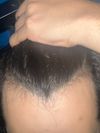
A user trying to avoid an expensive hair transplant, and the replies suggesting they wait two years on treatment before deciding if they need a transplant or not.
A 24-year-old is seeking advice on whether to get a hair transplant now or wait until age 25, and is asking for clinic recommendations in Puglia, Brindisi, Albania, Türkiye, or Naples.
The conversation discusses the delay in the PP405 Phase 2 study results, now expected by the end of 2025, and skepticism about research practices. There is also mention of optimism for Amplifica's AMP303 and a topical treatment in early testing.
The conversation is about a 19-year-old female experiencing hair loss, potentially due to deficiencies in iron, ferritin, and vitamin D. She is considering iron and vitamin D supplementation and exploring dietary changes, while also planning to consult a dermatologist when possible.
A user shared their 11-year journey with alopecia, using finasteride, dutasteride, and a hair transplant. They encouraged others not to panic, noting that hair miniaturization can take over 15 years to complete.
ABS-201 shows promise for male hair regrowth by blocking the prolactin receptor, with higher expected efficacy than current treatments. The discussion also covers dosing differences between macaques and humans for hmi115, highlighting a significant dosage disparity.
The conversation discusses hair thinning potentially linked to gut health issues and suggests biotin as a possible treatment. It also mentions that hair thinning could be due to male pattern baldness (MPB).
A 16-year-old researching and trying Pyrilutamide for hair loss treatment, reporting back on side effects experienced after one week of use; the reported side effects included testicle pain, headache, and increased shedding. Libido and sexual performance seemed unaffected.
A user shared progress pictures after 4 months of using oral Minoxidil and Finasteride, noting significant hair growth and some greying. Replies praised the results and inquired about the user's age, who is 33.
A 57-year-old man with severe hair loss since age 14 tried various hair loss treatments over two years, including finasteride, dutasteride, minoxidil, and supplements, with some minor regrowth. He also experimented with topical treatments and microneedling, but results were not cosmetically significant.
An 18-year-old noticed significant hairline recession and is concerned about further hair loss. They plan to improve their lifestyle and are advised to use finasteride and minoxidil and consult a dermatologist.
A 33-year-old man is concerned about potential hair loss, comparing his hairline to his father's and noticing increased shedding and thinning. He is considering treatments like Minoxidil and Finasteride but is unsure if he has male pattern baldness.
The conversation is about the potential aging effects of oral minoxidil on the skin. Users discuss their experiences, with some attributing skin changes to aging rather than minoxidil, and mention using tretinoin to improve skin appearance.
A 19-year-old with rapid hair loss since 16 is considering a hair transplant but refuses to take finasteride or any 5α-Reductase inhibitors. They are currently using minoxidil, tretinoin, and microneedling with a Derminator 2, and only want hair until age 27.
The conversation is about using Biolabshop's RU58841 product, which includes GHK-Cu and melatonin, to improve hair quality and combat hair loss. The user has previously used finasteride, minoxidil, and Anageninc’s RU58841 with success and seeks feedback on the new product, especially from those on anabolic steroids or hormone treatments.
A 21-year-old woman diagnosed with male pattern baldness (MPB) who is considering treatments such as spironolactone, minoxidil and finasteride to address her hair loss. The user also discusses potential solutions for concealing the appearance of her thinning hair, such as wigs or haircuts.
A 30-year-old woman with a history of anemia and low vitamin D experienced hair shedding, which improved after addressing nutrient deficiencies. Despite regrowth of terminal hairs, her dermatologist recommended treatments like minoxidil and spironolactone to prevent future bald spots, but she is cautious due to family history of hormone-related cancers.
The user has been using finasteride and dutasteride for hair loss but is experiencing low energy and motivation, possibly due to high prolactin levels. Despite treatment, hairline recession continues, and the user is considering the impact of low DHT levels on overall health and energy.
A 41-year-old shared their 195-day hair loss treatment progress using finasteride and minoxidil, initially topical and later oral, along with microneedling. They reported positive results and expressed satisfaction with the current regimen.
GT20026 is discussed as a potential treatment for hair loss that targets androgen receptors without affecting hormone levels, but it may not promote significant regrowth. It is expected to be available by 2028, with other treatments like Breezula and Clascoterone also mentioned.
The user shared progress pictures comparing hair from February 2024 to September 2025, using Dutasteride since May 2020 and Minoxidil since April 2023. Another user noted that progress can't be assessed without before and after photos spaced months apart.
A 28-year-old male started balding at 20 and has been using Bosley Shampoo, minoxidil, finasteride, microneedling, and exosomes/PRP treatments. He also underwent scalp micropigmentation to hide thinning hair and is seeking feedback on regrowth progress.
The conversation discusses the tension theory of baldness, suggesting that over-developed masseter muscles may harm hair follicles. Botox injections to relax these muscles reportedly led to an 18% increase in hair count in men with AGA.
Clascoterone in Winlevi, a topical AR antagonist, is being re-examined due to concerns about HPA axis suppression in adolescents, but it's unlikely to be banned for adult use in androgenetic alopecia (AGA). The European Medicines Agency recommended refusing Winlevi for acne vulgaris, but this may not affect Breezula's approval for AGA.
The user started using finasteride at age 23, stopped at 30 to start a family, and resumed at 39 with minoxidil, seeing positive results both times. They successfully had four children after stopping finasteride, noting changes in sperm quality and some side effects upon resuming the medication.
Men losing hair at a younger age, with theories including lifestyle factors like diet, pollution, and technology use. Treatments mentioned include Minoxidil and finasteride.
An 18-year-old began using Finasteride and Topical Minoxidil for hair loss, later switching to Oral Minoxidil and Dutasteride by age 25. The conversation emphasizes early treatment, potential side effects, and differing opinions on medication effectiveness.