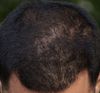
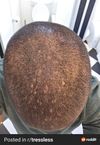
Female using Rogaine foam for hair loss had scalp punch biopsy, diagnosed with Androgenetic Alopecia (AGA). Doctor recommended starting Spironolactone 50mg.
The user is experiencing a strange hair loss pattern despite using dutasteride for 3 years and minoxidil with tretinoin for 1.5 years. They recently added microneedling and are considering a scalp biopsy to understand the cause.
The user has tried various treatments like Dutasteride, RU58841, Minoxidil, Finasteride, Spironolactone, Pyrilutamide, and Ketoconazole for hair loss without success and is considering a scalp biopsy to diagnose another condition. Others suggest consulting a dermatologist and possibly getting a biopsy, as the issue might not be typical male pattern baldness.
DUPA and retrograde alopecia may not be solely DHT-based, and a biopsy is crucial for accurate diagnosis and treatment. Treatments mentioned include dutasteride, oral minoxidil, pioglitazone, clobetasol, calcipotriol, ketoconazole, and doxycycline, depending on the specific condition.
PP405 is a potential hair loss treatment undergoing trials, with discussions on its effectiveness and comparison to existing treatments like finasteride and minoxidil. There is skepticism about its status as a cure, with hopes for future advancements in genetic treatments like CRISPR.
A woman with AGA is using spironolactone, dutasteride, finasteride, oral minoxidil, bicalutamide, and anti-androgenic birth control but still experiences worsening hair loss. Steroid shots temporarily stop her hair shedding, leading her to question her biopsy results.
A woman who has been experiencing hair loss for several years, and her question of whether there is any benefit to getting a biopsy to check if it's AGA or diffuse alopecia areata when no cure or very effective treatment exists. Treatments such as spironolactone and Minoxidil/finasteride/RU58841 have previously been discussed.
The user underwent a biopsy two years ago and was diagnosed with keratosis pilaris, leading to hair issues. They tried treatments including Minoxidil, betamethasone, lymecycline, topical Accutane, and dutasteride, as well as diet changes, without improvement in hair thickness or skin dryness.
Vitamin E and K deficiencies due to exocrine pancreatic insufficiency may affect hair growth. A scalp biopsy is recommended to check for autoimmune-related hair loss.
The user is experiencing ongoing hair loss despite using treatments like topical and oral finasteride, dutasteride, oral minoxidil, and RU58841. They are advised to consider a scalp biopsy and blood tests to determine the underlying cause, as their hair loss may not be related to DHT.
The conversation discusses the ineffectiveness of dutasteride in halting hair loss for the user and explores the potential of PP405, which works through a different mechanism. Suggestions include considering a biopsy to determine the cause of hair loss and exploring other treatments like RU58841.
A 26-year-old is experiencing hair thinning and has received conflicting diagnoses of androgenetic alopecia and telogen effluvium. They are considering treatments like dutasteride, oral and topical minoxidil, and are unsure whether to start treatment or pursue further diagnosis like a scalp biopsy.
Adding RU58841 to a regimen of 2.5 mg dutasteride and 5 mg oral minoxidil for potential hair regrowth. Some users suggest a biopsy to determine the cause of hair loss, while others discuss the effectiveness and side effects of various treatments.
The user is experiencing diffuse thinning and inflammation despite using 2.5mg dutasteride daily, ciclopirox, and ketoconazole shampoos. They are considering treatments like hydroxychloroquine and JAK inhibitors due to suspected scarring alopecia and have faced challenges in obtaining a scalp biopsy.
The user experienced hair loss and initially saw improvement with Finasteride but is now considering switching to Dutasteride due to lack of recent results. They plan to add topical Minoxidil and are awaiting biopsy results to determine the cause of hair loss.
The user is seeking a knowledgeable trichologist or dermatologist in Belgium for a thorough scalp examination due to diffuse thinning and a previous diagnosis of male pattern baldness. They are interested in procedures like a trichogram and scalp biopsy.
A user experienced significant hair loss despite using Dutasteride and RU58841 for three years, questioning the effectiveness of these treatments. They are considering a scalp biopsy to explore other potential causes of hair loss.
The user has been using oral dutasteride and minoxidil for over a year without regrowth or stability, and hair loss continues. Suggestions include checking for inflammation, considering a scalp biopsy, and trying microneedling, topical anti-androgens, or a hair transplant.
The user experienced worsening hair density after using finasteride, dutasteride, and RU58841, suspecting RU58841 might be the cause. They are considering stopping RU58841 after a scalp biopsy, while others share mixed experiences with RU58841's effectiveness.
The user experienced hair loss since 2019 and tried finasteride, dutasteride, RU58841, and ketoconazole shampoo without success. A scalp biopsy showed scarring and inflammation from folliculitis, indicating chronic inflammation was affecting treatment effectiveness.
The user is experiencing hair loss and confusion over conflicting medical advice, with treatments including minoxidil, finasteride, and topical corticosteroids. They are unsure about the necessity of a biopsy and the timing of using minoxidil, while also considering the impact of potential androgenetic alopecia and telogen effluvium.
A 24-year-old male has been using oral Finasteride 1mg/day for 6 months and nanoxidil for 10 months, recently switching to oral Minoxidil 2.5mg daily, with no progress. Suggestions include getting a scalp biopsy, consulting a dermatologist, and possibly trying higher doses of oral Minoxidil or switching to dutasteride.
A user lost 60% hair density in 4 months, started finasteride and microneedling, and has greasy, flaky, yellowish scalp. They are awaiting biopsy results, and another user suggested trying ketoconazole shampoo.
A user on dutasteride and oral minoxidil for two years has experienced worsening hair loss and an itchy scalp. Suggestions include increasing medication doses, trying other treatments like RU58841, getting a scalp biopsy, and addressing potential inflammation through diet and topical treatments.
Hair loss treatments, including finasteride and minoxidil, as well as vitamins, supplements, and scalp biopsy. A joke was made about Feline Pattern Baldness in cats.
The conversation discusses hair loss treatments, focusing on vitamin D and B12 deficiencies, and mentions using finasteride. It also suggests getting a biopsy to differentiate between MPB and other conditions.
The user noticed hair thinning since age 15, initially attributed to a Vitamin D deficiency. They are currently using Rogaine and considering Propecia but are hesitant about a scalp biopsy; they seek financially practical treatments for male-pattern baldness.
The user has been using finasteride and topical minoxidil for 15 months but is experiencing constant hair shedding, similar to telogen effluvium, despite stable widow peaks. They have checked for vitamin and mineral deficiencies, consulted specialists, and are considering further investigation like a scalp biopsy.
The user is experiencing continued hair thinning despite taking Finasteride 1 mg daily for over a year and is hesitant to try Minoxidil due to potential side effects and inconsistency. Suggestions include trying topical Minoxidil once a day, considering oral Minoxidil, and possibly getting a skin biopsy to determine the type of hair loss.
The user noticed small circular hairless spots after a buzz cut and has been using finasteride, dutasteride, and oral minoxidil for hair loss. They are experiencing continuous shedding and thinning, and it is suggested they consult a dermatologist for a scalp examination and possible biopsy to determine if it's alopecia areata or androgenetic alopecia.