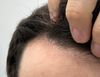
RU58841 helped regrow hairline without side effects for a bodybuilder using PEDs. The treatment included RU58841, finasteride, minoxidil, GKH-Cu, microneedling, and HGH.
Age-linked hair loss is linked to disappearing collagen. Treatments discussed include minoxidil, finasteride, RU58841, tretinoin, microneedling, and collagen supplements.
Follicum discovered that their drug FOL-005 increased hair count by 12 hairs per cm2 in patients with less than 255 hairs per cm2 and is planning a phase 2b trial. They are currently fundraising for the trial, and the drug may also be effective for women.
GHK-Cu is discussed for its potential anti-aging and healing properties, with some users considering its effects on hair growth. One user mentions using Folligen Spray and topical finasteride, noting improved healing but uncertain hair growth results.
A 40-year-old shared their positive experience with a second hair transplant at HDC Cyprus, involving 4148 grafts and costing around 9,000 euros. They used oral minoxidil, Dutasteride, biotin, and vitamins to aid recovery and were pleased with the results.
A user experienced hair thinning due to traction alopecia from using Murray's Beeswax and is considering treatments like minoxidil and finasteride to reverse the damage. Another user suggests consulting a hair specialist, as the hair may not regrow if scar tissue has formed.
Exosome injections stimulate hair growth by using exosomes' healing potential to awaken dormant hair follicles and promote new hair cell creation. The procedure increases scalp blood circulation, encourages collagen and elastin formation, and regenerates hair follicles, improving hair thickness and quality.
PP405 shows promise for hair regrowth, with new hairs observed in 66% of patients in just 27 days. The discussion also mentions Minoxidil, finasteride, and RU58841 as potential treatments.
Significant hair regrowth was achieved over six months using minoxidil, finasteride, microneedling, biotin and collagen shampoo, and MSM powder. The user feels more confident and may consider a hair transplant if necessary.
Eleven days after a hair transplant, the user has removed all scabs and plans to resume Oral Dutasteride and Oral Minoxidil. They will also start using a serum provided by the clinic and are sharing progress and clinic information privately to avoid negative comments.
The conversation is about a person who underwent a hair transplant surgery after using Rogaine, finasteride, and Nutrafol. They received 2300 grafts and discussed the appearance and density of the transplant, with mixed opinions on the results and advice on future procedures.
The user shared progress on hair regrowth using a topical minoxidil/finasteride spray, dermarolling weekly, and a product similar to pp405. They reported some regrowth with no side effects from the new product.
The user is 2 months post-hair transplant with 6,000 grafts using the DHI method and is using oral finasteride, minoxidil, and vitamins. They are seeking feedback on their progress.
A user shared their 6-month hair loss treatment progress, which included 3200 FUE grafts, oral finasteride and minoxidil, keto shampoo, and biotin. The user also mentioned micro needling their temples for further growth and plans to observe the effects of finasteride and minoxidil over the next 6-12 months.
The conversation discusses expectations for the release of Breezula, a new hair loss treatment, and compares it to existing treatments like finasteride. Some believe Breezula could be a game-changer due to fewer side effects, while others await more permanent solutions like hair follicle cloning.
Microneedling once a week at 1mm caused bumps, possibly scars, in the treated area. The user is considering cleaning the skin before microneedling to prevent this issue.
GT20026 is discussed as a potential treatment for hair loss that targets androgen receptors without affecting hormone levels, but it may not promote significant regrowth. It is expected to be available by 2028, with other treatments like Breezula and Clascoterone also mentioned.
The user discusses their hair regrowth progress over almost three months using a dermaroller, Minoxidil foam, finasteride pills, and biotin gummies. They share before and after pictures to show the improvement.
Beard to scalp hair transplants can provide 12,000-15,000 grafts for coverage, with fast recovery time. However, beard hair may grow curly and not suitable for frontal areas.
PRP treatments have been effective for the user, with a new recommendation of using a high-quality plasma kit once a year. The user seeks experiences with this specific PRP approach.
The conversation discusses Scube3, a seemingly new and obscure treatment for hair loss, with limited information available and a link to a patient intake form.
User plans to use hair fibers regularly and asks about re-application, consistency, rain protection, and Boldify vs Toppik. Others provide advice and share experiences.
Bimatoprost and latanoprost are being considered for scalp hair growth, with concerns about side effects like skin darkening and fat loss. A user warns about potential chemical burns from latanoprost.
Scientists at UCLA have developed a promising treatment for male pattern baldness using a molecule called PP405, which can potentially stimulate dormant hair follicles. Initial trials showed significant results within a week, but larger clinical trials are needed to confirm its efficacy and safety.
A successful hair transplant with 3100 grafts combined with topical finasteride, minoxidil, Viviscal, biotin, sulfate free shampoo and Nizoral. People in the conversation talk about how the results look perfect and discuss the number of grafts and cost involved.
Batana Oil is discussed for its potential benefits in promoting hair growth and addressing balding and receding hairlines, though scientific evidence is lacking. The user seeks personal experiences and any supporting information on its effectiveness.
Using hair fibers daily is generally fine, but it's important to choose a quality keratin-based product to avoid scalp irritation. The user combines hair fibers with a regimen of finasteride, minoxidil, microneedling, and ketoconazole.
Fatty acid metabolic signaling can activate epithelial stem cells for hair regeneration. Oleic and palmitoleic acids showed the best results, but practical application on humans remains uncertain.
The conversation is about using micro needling and PTD-DBM for hair loss treatment. The user applies PTD-DBM drops on weekdays and performs micro needling weekly.
Oral minoxidil and spironolactone helped restore the hairline but not the scalp behind it. Hairline and temples often respond first to treatment, with mid-scalp and crown following later.