The conversation discusses Fevipiprant, an asthma drug that may block CRTH2 and potentially stop male pattern baldness (MPB) without inhibiting DHT. It also mentions the use of finasteride and dutasteride for hair loss.
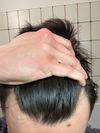
The user is using 1mg oral finasteride daily, topical minoxidil on the hairline, a dermaroller weekly, Alpecin Caffeine shampoo daily, and ketoconazole shampoo weekly. The hairline appears to be improving after two months.
The conversation is about comparing the effectiveness of Minoxidil alone versus Minoxidil combined with other substances like Tretinoin, LCLT, Procapil, Aminexil, and Capixyl for hair growth. One user did not understand the terms used.
The user is taking 0.5mg finasteride and 0.5mg Loniten orally daily, using Eucapil twice weekly, and Minoxidil foam once daily for hair loss. They believe Eucapil effectively stops hair loss despite side effects like breast growth.
Users discuss making topical finasteride solutions by dissolving crushed tablets in ethanol and propylene glycol, with concerns about residue affecting effectiveness. They also mention using minoxidil and oral finasteride, noting some hair regrowth and no side effects from topical use.
Oral DHT blockers like finasteride are preferred for their ease of use, effectiveness, and long-term safety data, while topical treatments like RU58841 lack extensive safety data and can be more cumbersome to apply. Oral treatments are generally considered more effective and convenient despite potential side effects.
A 28-year-old male, previously on dutasteride for hair loss, is considering oral minoxidil or a compounded treatment of minoxidil, finasteride, and tretinoin after noticing hairline recession. The dermatologist suggested oral minoxidil and mentioned a compounded option, but the user is unsure about its benefits compared to current treatments.
OP experienced forehead redness after using minoxidil and finasteride PG-free solution for a week. Suggestions included trying ketoconazole shampoo or topical CBD with MCT oil to reduce irritation.
A group buy for products to treat hair loss, such as Minoxidil, Finasteride and RU58841. Participants are interested in adding more people before ordering the next order.
Exploring hair loss treatments, with a focus on Finasteride and RU58841 as well as other topical solutions like stemoxydine 5%. The user found that they were sensitive to both oral and topical finasteride, but remain optimistic about finding the right treatment.
The user plans to lower their oral minoxidil dose from 5 mg to 2.5 mg to reduce side effects like puffiness and hypertrichosis, while also using finasteride and accutane. They are considering caffeine serums for puffiness and discussing dietary changes or switching to topical minoxidil to address bloating.
The user has been using finasteride and minoxidil for 11 months but experienced hair thinning after adding topical dutasteride. They plan to continue with Lipogaine, finasteride, and a reduced frequency of topical dutasteride, along with dermarolling and biotin.
RU58841 was used by some for hair loss, but concerns about side effects like gynecomastia and safety were raised. Alternatives like finasteride, minoxidil, pyrilutamide, and alfatradiol were discussed, with some users reporting better experiences with these treatments.
The user shared progress pictures showing hair improvement after using 5% topical minoxidil for two years and 1mg finasteride for one year. The user also used tretinoin and trifarotene as part of their routine.
User deciding between oral and topical minoxidil, concerned about hypertrichosis and myocarditis interaction. They're using topical finasteride, LLLT, natural oils, dermastamping, and scalp massage, and considering adding oral minoxidil.
The user applied 0.005% topical finasteride, minoxidil, tretinoin, caffeine, and ketoconazole shampoo for four months but saw no hair regrowth. Some users suggested increasing the finasteride dose or trying alternative treatments like clascoterone, pyrilutamide, or RU58841.
The conversation discusses alternatives to finasteride for hair loss, including topical treatments like minoxidil, RU58841, CB-03-01, and dutasteride. Users also mention other options like alfatradiol, topical caffeine, and mesotherapy, while expressing concerns about side effects and the effectiveness of these treatments.
The conversation discusses a new 0.3% tretinoin topical launched by MinoxidilMax for mixing with other solutions, with some users expressing concern about potential skin irritation compared to lower concentrations. MinoxidilMax has also released other products like topical Dutasteride and RU58841.
The conversation discusses the potential of a new hair loss drug, CB-03-01, with users sharing their experiences and seeking advice on dosages and application methods. One user mentions using topical finasteride, minoxidil, dermarolling, and a clean diet for hair maintenance but is interested in CB-03-01 due to side effects from finasteride.
Topical finasteride concentrations are likely much higher than necessary for effective follicular DHT suppression, with current standards being 100-1000 times above the theoretical minimum. Lower concentrations (0.001-0.0025%) might still work locally while minimizing systemic exposure.
A user switched from topical to oral finasteride and is seeking additional topical treatments for hair growth besides minoxidil. They are aware of stemoxydine and caffeine solutions and are asking for more recommendations.
Capronium Chloride and Trichoxidil are suggested as better alternatives to Minoxidil for hair growth without heart side effects. The Japanese Dermatological Association recommends topical Minoxidil over Capronium Chloride.
The conversation discusses using minoxidil with retinol for hair loss treatment. Users share their experiences and opinions on the effectiveness of this combination.
A 22-year-old male with male pattern baldness wants to use minoxidil and finasteride but can't find topical finasteride. He is considering natural DHT blockers like saw palmetto and caffeine and seeks advice on their effectiveness.
The conversation discusses the differences in inactive ingredients between Sandoz 5mg Finasteride and Proscar/Propecia, questioning the purpose of certain additives like Docusate sodium. It seeks to determine if these differences affect the effectiveness of the treatment for hair loss.
Sprocketshead asks if pyrilutamide can be applied with minoxidil, and inquires about its consistency and odor. They want to know if it's more high maintenance than topical minoxidil.
A 24-year-old with mild temple recession is using 5% minoxidil without noticeable effects and has started topical finasteride but is anxious about potential side effects. They are considering a specialist visit for peace of mind despite the cost.
The user is attempting to create a topical finasteride solution by mixing crushed finasteride pills with minoxidil but is facing solubility issues. They are unsure if the finasteride has dissolved properly and are seeking advice on whether it is safe to use and if there is a solution to the problem.
The user experienced hair regrowth with finasteride and minoxidil but faced libido issues, leading them to try alternatives like novamaine and a low-dose finasteride/minoxidil solution, which still caused side effects. They are considering reducing the solution's volume, stopping finasteride, or using minoxidil alone, while others suggest alternatives like dutasteride or clascoterone.
A user was prescribed a topical solution containing 10% Minoxidil and 0.1% Finasteride for hair loss. They are seeking experiences with these dosage levels.