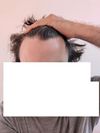
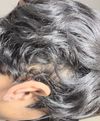
A user solved their 15-year scalp inflammation and related hair loss using Selenium Sulfide shampoo (Selsun Blue), noticing improvement after the first use and resolution after three uses. Others found relief with Ketoconazole shampoo, which also helps with hair loss.
User "hemantch" shares 5 months progress using topical Fin, Min, topical Dut, and a laser cap for hair loss. Significant regrowth was noticed after 1 month, and the treatments worked well despite being bald for 10 years.
A 32-year-old male with diffuse thinning and seborrheic dermatitis has been using finasteride for 8 months without improvement. He is considering COQ10 + PQQ supplements for scalp inflammation and hair loss.
A 33-year-old is considering switching from topical finasteride to oral finasteride due to application difficulties with long hair. They are concerned about potential shedding with oral finasteride and are seeking advice on dosage and whether their crown shows signs of thinning.
Beard hair grown with minoxidil can become permanent because it is not sensitive to DHT, unlike scalp hair, which requires ongoing minoxidil use even with DHT blockers like finasteride or dutasteride. Dutasteride reduces scalp DHT significantly but not completely, which may explain why scalp hair still needs minoxidil for maintenance.
Finasteride may help stabilize hair loss, but regrowth at the temples is challenging and often requires additional treatments like minoxidil or a hair transplant. Users suggest patience and possibly combining treatments for better results.
The user started using finasteride and minoxidil and noticed fine, spikey hairs on their scalp after oiling with coconut and blackseed oil. Responses suggest these fine hairs could indicate hair regrowth, but more time is needed to see results.
A 23-year-old male had a hair transplant with 3500 grafts and is using finasteride, minoxidil, hair vitamins, and a keto shampoo. He seeks advice on crown regrowth and when to start dermastamping.
The user is experiencing increased hair shedding, scalp sensitivity, and itching despite using finasteride for four months, and has tried various shampoos without relief. They are advised to consult a dermatologist for potential scarring alopecia and consider other treatments like adding Dutasteride.
The user shared progress pictures showing improved hair growth at the temples after 2.5 months using oral finasteride/dutasteride, ketoconazole shampoo, minoxidil, tretinoin, and dermarolling. The user reported no side effects from the medications and noted inconsistent microneedling.
The user noticed hair thinning since age 15, initially attributed to a Vitamin D deficiency. They are currently using Rogaine and considering Propecia but are hesitant about a scalp biopsy; they seek financially practical treatments for male-pattern baldness.
Swelling after a hair transplant is normal and can be reduced with ice packs, head elevation, and possibly corticosteroids. The user had a no-shave FUE procedure and is using oral finasteride and minoxidil.
A 19-year-old male experienced significant hair loss, initially thought to be male pattern baldness (MPB), and used minoxidil and briefly finasteride. After realizing the issue was telogen effluvium (TE), he improved his diet and supplemented with vitamins, which led to substantial hair regrowth.
The conversation discusses a user's experiment with using hot water and a dermastamp to reduce hair loss, improve dandruff, and promote new hair growth. The user advises caution and mentions not sharing photos until more progress is visible.
A user is experiencing hair loss in the center of their hairline and has been using topical finasteride for seven months with minimal progress. They are considering switching treatments due to concerns about losing ground and potential side effects of other options.
A user is experiencing an itchy scalp after using a shampoo containing biotin, saw palmetto, and caffeine, and is questioning if it's due to the shampoo or balding. They are seeking feedback on others' experiences with similar shampoos.
A 17-year-old male has experienced significant hair loss within 4 months, noticing scalp visibility constantly. He's used ketoconazole shampoo, and his dermatologist recommends minoxidil and finasteride when he turns 18, but he's considering shaving his head due to the rapid hair loss.
The user is experiencing one-sided diffuse thinning and has been using finasteride and liquid minoxidil for 4-5 years with minimal results. They are considering whether to save for a hair transplant or address scalp sensitivity and irritation first.
The user is using a treatment of topical minoxidil 7% and finasteride 0.1% twice daily, along with a low-level laser therapy cap, biotin, and collagen supplements, and is seeing good progress on the hairline and temples but not the midscalp. They experienced initial shedding, saw results by month three, and are happy with the progress, though some users express concern about using finasteride at a young age.
Topical tretinoin applied to the face may exacerbate hair loss in some individuals, potentially triggering conditions like frontal fibrosing alopecia. Experiences vary, with some users reporting no impact on hair, while others experience significant hair loss.
A user shared progress pictures 1.5 months after a hair transplant of 3500 grafts, using oral finasteride, topical finasteride, minoxidil, and vitamins. They are concerned about potential shock loss and the thinning appearance.
A 35-year-old man had a 6400 graft hair transplant in Turkey after years of baldness, using finasteride, oral and topical minoxidil, and scalp micropigmentation. He is satisfied with the progress and plans further SMP touch-ups to enhance results.
The conversation discusses difficulty in distinguishing between new hair growth and thinning hair at the temples after using microneedling and a rosemary peppermint topical for four weeks. The advice given is to wait a few months to see if the hairs grow out to determine their nature.
A user who had two hair transplants and is still concerned about their crown area, despite other people reassuring them that it looks normal. The advice given was to use Minoxidil, Finasteride, SMP, and to consider speaking with a therapist.
The user is experiencing asymmetrical hair loss at the frontal hairline and is concerned about potential conditions like frontal fibrosing alopecia. They have started using finasteride and pumpkin seed oil to address the issue.