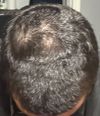
Blackcumin seed is discussed for potential hair regrowth when applied to the scalp. Experiences vary, with some users finding it effective and others not noticing any benefits.
User noticed black dots along the hairline and temples, questioning if it's regrowth. They are using a regimen including Dutasteride, oral and topical Minoxidil, and a compounded topical treatment.
Hair regrowth progress using finasteride, minoxidil, and dermarolling. Visible improvements started around month 6, with initial shedding from minoxidil.
Stopping creatine led to reduced hair loss for some, despite no proven link between creatine and hair loss. Users shared experiences, with some using minoxidil and finasteride to manage hair loss.
A user experienced positive hair regrowth using oral and topical minoxidil, oral dutasteride, microneedling, and supplements. They noted improved hairline and temple density with minor side effects like a few forehead pimples.
A user shared their hair regrowth journey using a comprehensive treatment plan including oral minoxidil, oral dutasteride, topical minoxidil, Nizoral shampoo, microneedling, and various supplements. They reported noticeable improvement in their crown area after 4.5 months, with only minor side effects like forehead pimples.
A user's progress with hair regrowth after using a combination of Dutasteride, Finasteride, oral Minoxidil, RU58841, derma roller, topical Minoxidil, Ketoconazole shampoo and Stemoxydine for 8 months.
A user reports significant hair regrowth in 11 days using 1mg finasteride daily and 2ml minoxidil daily, and questions if they can maintain their hair with just minoxidil and a good shampoo. They express concern about potential side effects of finasteride.
A user experienced significant hair regrowth and stopped hair loss after taking 0.5mg of dutasteride daily for a month, without using minoxidil. They reported no side effects and were pleased with the results.
A user experienced positive hair regrowth after 9 months using Dutasteride (0.5mg daily) and oral Minoxidil (2.5mg daily) without side effects and plans a hair transplant. They noted the cost-effectiveness of oral Minoxidil and discussed hair loss treatments, including Finasteride.
The user has been using finasteride for 6 months and minoxidil for 12 months to address hair loss and recently started estradiol monotherapy for additional benefits. They are unsure if their hair is regrowing and are seeking advice on their progress.
The conversation is about a user sharing positive results from using dutasteride for hair regrowth over two years, with others discussing the effectiveness and experiences with hair loss treatments like finasteride and minoxidil. Some users request before-and-after photos to assess the effectiveness of the treatment.
CRISPR shows promise for treating hair loss by targeting specific genes. Current treatments include Minoxidil and finasteride, but CRISPR could offer a more precise solution, though it is still expensive and in early stages.
The conversation discusses hair regrowth after a health condition, with the appearance of white substance on the scalp. Suggestions include it being sebum or White Piedra, with a recommendation to try Nizoral.
.
This conversation is a satire post about a user who appears to have an abundance of hair, with other users commenting and asking questions about the treatments they use for their hair loss. Treatments discussed include minoxidil and finasteride.
PP405 is discussed as a potential treatment for hair loss, with excitement about its promise but skepticism about its current effectiveness. Users mention combining it with treatments like minoxidil, finasteride, and microneedling, but emphasize it is not a cure.
A 44-year-old experienced hair regrowth after a snowboarding injury using detox, diet changes, vitamins, collagen, krill oil, and scalp massages, without Minoxidil or finasteride. Another person was skeptical, suggesting these methods may not work for everyone.
The user started using finasteride three times a week and discovered black hair powder, which improved their appearance but raised concerns about potentially blocking hair pores. They are seeking advice on whether it's safe to use the powder without affecting new hair growth.
User shared progress on hair regrowth using Fin 1 mg/day for 4 years, Min 2x/day for 3 years, Estradiol 4mg/day, and Spironolactone 100mg/day for 3.5 months. They noted significant hairline recovery and advised against HRT for cis men due to feminizing effects.
Diet changes alone are unlikely to reverse hair loss, as some users report no improvement without medical treatments like finasteride. A disciplined diet high in nutrients may support overall health, but finasteride is noted for effectively reversing hair thinning.
A 25-year-old male shared his successful hair regrowth journey using oral minoxidil, topical minoxidil, finasteride, and dutasteride. He experienced initial regrowth, a shedding phase, and then improved hair density, advising others not to panic during shedding and to act early on hair loss.
A user successfully regrew hair using 1mg finasteride, switching to 0.5mg dutasteride, and maintaining 5mg oral minoxidil, with significant improvements noted after switching to dutasteride. The user experienced shedding phases but ultimately achieved regrowth and is now comfortable without wearing a hat.
Hair loss treatments like minoxidil, finasteride, and dutasteride can stabilize hair loss and sometimes regrow hair, but many people still opt for hair transplants, often in Turkey, due to cost and convenience. However, transplants require ongoing medication to maintain results, and not all clinics offer high-quality outcomes.
A 32-year-old is documenting their 3-month progress in treating hair loss using 0.5 mg dutasteride, topical and 5 mg oral minoxidil, and Ducray Anaphase+ shampoo daily. They report slight libido reduction and increased eyebrow hair but are generally satisfied with the results and considering a hair transplant after a year.
The user has been using oral and topical minoxidil, finasteride, dermastamping, and multivitamins for hair loss, with plans to consider a hair transplant in the future. They are seeing gradual improvement and are content with the progress, preferring to stick with their current regimen rather than switching to other treatments like dutasteride.
A 21-year-old shared his successful hair recovery journey using topical Minoxidil and Finasteride, along with derma rolling, a high-protein diet, regular exercise, and ketoconazole shampoo. He reported significant hair regrowth over 1.5 years, attributing his success to consistent use of these treatments.
People with hair loss experience emotional struggles and body dysmorphia. Treatments like minoxidil, finasteride, and dutasteride are used, but results vary and can take time.