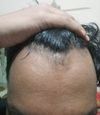
User shared 2-month progress using 6% minoxidil, seeing some regrowth. Others encouraged consistency and noted significant results typically appear around months 3-6.
User reports significant hair growth after 3 months using topical minoxidil 5%, oral finasteride 1mg, a derma roller, and biotin tablets. Other users encourage continuation due to impressive results.
A 22.5-year-old male is frustrated with doctors for not taking his diffuse thinning seriously. He has been using finasteride for 2.5 years, avoids topical minoxidil due to dandruff, and is hesitant about oral minoxidil due to weight and injury concerns.
A user in Turkey was advised by a dermatologist to avoid finasteride due to its hormonal effects and was prescribed minoxidil, shampoo, and vitamins instead. The user is considering seeking another doctor's opinion or buying finasteride directly from a pharmacy.
The user believes that combining alfatrodial and fluridil with minoxidil effectively maintains hair, based on their 7-year experience. They suggest this combination for those who can't tolerate finasteride.
A user experienced skin irritation and acne while using Minoxidil foam, but after stopping both the foam and a sea salt spray, their skin improved. They plan to try oral Minoxidil, suspecting the sea salt spray, not Minoxidil, was the main cause of their skin issues.
A user shared progress pictures showing significant hair regrowth after using finasteride and minoxidil for six months. Other users discussed their varied experiences with these treatments and offered additional advice.
A user started taking finasteride for hair loss despite initial fears. Others shared their positive experiences with finasteride and dutasteride, encouraging the user.
User shared 12-month hair loss progress using oral minoxidil, oral dutasteride, and 2% ketoconazole shampoo. They detailed their medication regimen and dosages.
The conversation is about a product called FLEAVA, found in a Facebook ad, and whether it is effective or just another scam. One user believes it is likely a scam and mentions that such products usually don't compete with Minoxidil.
A user shared their successful 50-day progress using oral minoxidil and finasteride for hair loss. They plan to switch to dutasteride after six months for potentially better results.
A user shared progress pictures after 3 months of using 1mg finasteride and 5mg oral minoxidil, asking if baby hairs will grow and the crown will improve. Replies praised the noticeable growth and expressed hope for continued improvement.
A user shared their experience with hair loss, initially using finasteride and minoxidil without satisfactory results, and later switching to hair systems, which they plan to use indefinitely. The user and others discussed the positive reactions, maintenance, and normalization of hair systems for men.
A 23-year-old user shares their hair regrowth journey, questioning if genetics or other factors are at play. They use Rogaine, finasteride, vitamin B12, biotin, Thera M Plus, and derma stamping, and seek advice on their regimen and hair growth patterns.
User shared progress pictures showing significant hair regrowth using 1mg finasteride and topical minoxidil daily since January. Other users congratulated and shared their own experiences and advice.
A user is experiencing significant hair shedding after starting a treatment regimen of 1mg oral finasteride, 3mg oral minoxidil, 2.5mg biotin, and vitamins. Despite the shedding, they remain optimistic and plan to continue the treatment for a year before making any conclusions.
A 21-year-old is worried about hair loss despite taking 0.5mg finasteride every other day for 7 months. Users suggest continuing treatment, considering a hair transplant, and possibly adding minoxidil.
A 31-year-old male used topical finasteride for a year, reducing hair loss significantly with no side effects. Another user suggested adding minoxidil and using oils for better results.
A user discussed their experience with finasteride for almost 2 years and oral minoxidil for 7 months, noting thicker follicles but no change in density. Replies suggested getting a shorter haircut to make the hair look thicker and healthier.
A user has been using topical minoxidil and finasteride for hair loss but is considering switching to oral minoxidil due to the inconvenience of topical application. Another user cautions that switching forms may cause shedding and that oral minoxidil may have different side effects and results.
People discussing their experiences with hair loss treatments found that switching from finasteride (Fin) to dutasteride (Dut) often resulted in improved hair thickness and health, despite some experiencing side effects or shedding phases. Some users switched due to diminishing results with Fin, while others were curious about the potential for better outcomes with Dut.
The user reported high testosterone and estradiol levels within range, but unexpectedly high DHT levels after using finasteride and dutasteride for hair loss. Another person suggested the dutasteride might be fake or a bad batch and recommended using the branded Avodart.
A man saw improvement in hair loss after a year using 1mg finasteride daily and minoxidil twice daily, but reduced finasteride due to side effects. He switched to 0.5mg dutasteride daily, topical finasteride twice daily, microneedling weekly, and 2.5mg oral minoxidil, but may stop minoxidil due to chest pains.
The conversation is about the potential cost of GT20029 if FDA approved, with estimates around $150/month. Comparisons are made between GT20029, finasteride, and their mechanisms and side effects.
A 27-year-old man shared his 3-month progress using finasteride and minoxidil for hair loss, showing significant improvement and increased confidence. He expressed gratitude to the community for their support and inspiration.
After one year on finasteride, a user reports positive hair regrowth and minimal side effects, encouraging others to try the treatment despite potential risks. Other users share varied experiences with finasteride, some seeing improvements and others still waiting for results.
Finasteride is believed to slow down hair loss significantly, but may not completely stop it for everyone. Effectiveness and duration vary by individual, with some users experiencing positive results for over 10 years, while others see less benefit.
The user treated their hair loss with daily finasteride, nightly minoxidil, weekly derma rolling, biotin, and ketoconazole shampoo. They believe consistency is key and that micro needling and minoxidil were the most effective.
SCUBE3, a protein linked to hair growth in moles, was discovered over 25 years ago and is being developed by Amplifica for potential hair loss treatment. Concerns exist about SCUBE3's association with cancer, as it is a protein that promotes cell growth, which could potentially trigger cancer development if used for hair growth therapy.