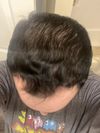
The conversation discusses whether bleaching hair is safe while using oral minoxidil for hair loss. The user is concerned about potential negative effects on hair health.
The user experienced significant hair regrowth using oral finasteride and topical minoxidil, but switching between oral and topical minoxidil led to hair loss and uncertainty about future treatment. They are considering sticking with oral minoxidil and finasteride, possibly adding dutasteride or opting for a hair transplant.
A 22-year-old male experiencing diffuse thinning is using oral minoxidil and finasteride but notices his hair looks thin in sunlight. Suggestions include using hair products, considering topical minoxidil, addressing seborrheic dermatitis, and possibly trying dutasteride or a hair transplant.
The user has been using Finasteride, Minoxidil, and Biotin for hair regrowth since March 2024, with slow but steady progress. Suggestions include becoming 100% consistent, considering RU58841, and exploring oral Minoxidil.
Hair loss treatments, with people sharing their experiences of trying to get help from family members and how genetics can affect the severity of hair loss. Treatments mentioned include finasteride, minoxidil, RU58841, scalp massage, whey protein and bleaching.
Hair loss is emotionally challenging, but acceptance and focusing on other life aspects are important. Treatments like finasteride, minoxidil, and RU58841 are discussed, with emphasis on the emotional impact over physical changes.
The conversation discusses the use of hair systems as a solution for hair loss. Users share their experiences, highlighting the natural look, confidence boost, and maintenance requirements of hair systems, while also addressing concerns about cost, stigma, and potential drawbacks.
A man with thick, white hair is admired for his genetics, leading to discussions about hair loss and the preference for white hair over balding. Some speculate about the use of treatments like finasteride.
A 35-year-old user shared their 11-month hair loss treatment success using Minoxidil and Propecia, noting their hair looks like it did at 25. Another user asked about the treatment, and the original poster confirmed using Propecia 1 mg and topical Minoxidil twice daily.
A 28-year-old man with hair loss is seeing regrowth in his temple area after 2 months of treatment with Dutasteride, a 1.5mm Dermaroller, topical Minoxidil, and Biotin supplements. He also notes an unexpected positive side effect of Dutasteride clearing up his light facial acne.
A user's concern with their hair thinning while using dutasteride and oral minoxidil, which was switched from finasteride and topical minoxidil after 13 months. The conversation includes advice surrounding potential results, specific treatments used, and side effects.
A user is experiencing accelerated hair loss and is struggling to maintain their mohawk. They are seeking alternatives to Minoxidil and Finasteride, considering a hair transplant, and looking for a doctor in Berlin who can prescribe Finasteride.
A user who has been using finasteride and minoxidil for 4-5 months with 5000 IU of vitamin D daily to treat their hair loss, resulting in impressive progress. Other users have given advice about adding Vitamin K2 to the regimen.
The user experienced significant hair regrowth using 1mg oral finasteride, topical minoxidil, keto shampoo, and monthly derma stamping. Results appeared after about four months, with noticeable temple hair lightening.
Treatments for hair loss, such as Minoxidil, finasteride, RU58841 and Eucapil; the legitimacy of RU58841 products; and safety concerns related to using RU58841.
A user experienced significant hair regrowth after 6 months using 1mg Finasteride and Oral Minoxidil, along with pumpkin seed oil, biotin, and collagen supplements, and is considering starting PRP. Another user has not seen results despite using a combination of treatments including finasteride, minoxidil, RU58841, pyrithione zinc, topical dutasteride, ketoconazole, and microneedling.
A user's progress with treating their hair loss by using Minoxidil twice daily and finasteride once daily, as well as suggestions to add microneedling and avoid tying the hair back.
A 32-year-old is happy with hair regrowth after 4 months using oral finasteride and topical minoxidil, with noticeable improvement in the last month. Others suggest continued use could lead to full coverage.
The conversation is about trying unconventional treatments for hair loss, such as green tea, coffee, cocoa, multivitamin pills, red wine, onion, honey, herbs, and hydrogen peroxide. The user is seeking feedback on these methods to avoid ineffective ones.
The user is considering starting minoxidil or getting their scalp checked for permanent scarring due to noticing thinner hair after bleaching. They are seeking advice on hair loss remedies.
A user shared progress pictures showing significant hair regrowth after two months back on finasteride and minoxidil, following a two-year break. The user also mentioned experimenting with hair dye and considering growing their hair for an undercut.
A 29-year-old woman is experiencing gradual hair thinning since age 15, suspects Androgenic Alopecia, and has tried 5% minoxidil with little success. She has purchased various hair loss treatments including minoxidil, dutasteride, finasteride, and spironolactone, but is cautious about starting them due to potential interactions with her ADHD medication.
A user shared their experience with hair loss treatments Minoxidil and Finasteride. They saw improvement but stopped using them, leading to significant hair loss, and are now considering restarting the treatments.
The post and conversation are about a user's successful regrowth of hair using topical minoxidil and rosemary shampoo. Other users discuss the potential limitations of minoxidil and recommend using finasteride to maintain hair growth.
A user reporting an extended shedding period of 9 months while using finasteride and minoxidil, and other users offering advice on treatments such as dutasteride, multivitamin, biotin, rosemary oil, Kiel's magic elixir, hair extensions, changing hair color, healing crystals, and seeing a dermatologist.
User shared progress pictures after 9 months of using minoxidil, finasteride, spironolactone, and estradiol for hair loss. Significant regrowth was noted, especially after starting estradiol.
Increased Malassezia and Cutibacterium in the scalp microbiome are linked to higher sebum production and inflammation in androgenetic alopecia (AGA). Treatments include ciclopirox shampoo, benzoyl peroxide shampoo, clobetasol propionate, calcipotriol, minoxidil, finasteride, and dutasteride.
A woman experienced significant hair loss due to medication, hair coloring, and heat damage, leading her to shave her head and feel distressed. She is considering using wigs and possibly oral minoxidil to manage the situation while her hair regrows.
The user's hair has become brittle and falls out easily, especially in the shower. They shared before and after photos showing significant changes in hair texture and thickness.