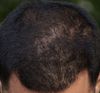
A 23-year-old experiencing diffuse hair thinning has chosen a treatment stack including topical finasteride, a blend of rosemary, peppermint, and pumpkin seed oils, procyanidine B2 spray, ketoconazole shampoo, and scalp massages. They avoid minoxidil due to family history of side effects and oral finasteride due to high estrogen levels.
The user does not respond well to minoxidil and is seeking an alternative to Tretinoin to upregulate sulfurtransferase activity for hair loss treatment. No specific alternative treatments were mentioned.
My hairline, I am only 23.
This conversation is about a user's experience with treatments for androgenic alopecia, including finasteride, dutasteride, RU, minoxidil, progesterone, melatonin, LLLT, oral minoxidil, and Pyrilutamide. They have tried many treatments over the course of two years without seeing much success, and they are considering getting a hair system as a last resort.
A 25-year-old with AGA experienced hair thinning and dandruff, stabilized with topical finasteride and minoxidil but saw minimal regrowth. They seek advice on styling and consider oral minoxidil and microneedling for denser hair.
A user shared an 8-month hair loss treatment progress using daily saw palmetto and biotin capsules, weekly dermarolling, and a scalp lotion mix of castor, jojoba, and rosemary oils, avoiding finasteride and minoxidil due to side effects and cost. The user reported encouraging progress with slight hairline improvement and better crown area, attributing most success to dermarolling.
A user shared their success in getting a prescription for 0.1% Alfatradiol, a topical treatment for hair loss similar to finasteride but with fewer side effects. They found a pharmacy to compound it and will update on the results.
PP405 shows some hair growth after 4 weeks, but results are debated and expectations should be tempered. Some users compare it to minoxidil or finasteride, questioning its effectiveness and commercialization timeline.
The user is considering another hair transplant or scalp micropigmentation (SMP) for a congenital bald spot, but previous transplants were less effective due to scar tissue. Suggestions include using hair fibers, changing hairstyles, or doing nothing, as the spot is not very noticeable.
A user with AGA uses topical spironolactone 2% due to side effects from the oral form and is concerned about its use during conception and breastfeeding. They seek alternatives to prevent AGA relapse while planning pregnancy and after childbirth.
The conversation discusses hair regrowth using dissolvable microneedles loaded with rapamycin and epigallocatechin gallate nanoparticles. Specific treatments mentioned include Minoxidil, finasteride, and RU58841.
The user is experiencing scalp irritation from using RU58841 with a 70% ethanol and 30% propylene glycol vehicle and is considering switching to a less irritating vehicle, such as 30% ethanol with 70% squalane or emu oil. They are seeking feedback on the effectiveness and irritation levels of these alternative carriers.
A user ordered a topical dutasteride gel with tretinoin for hair loss after unsatisfactory results with minoxidil and finasteride. Another user shared their experience with the same product, noting its pleasant smell and feel but difficulty in application and uncertainty about its absorption and frequency of use.
GT20029 shows promise as a topical treatment for hair loss, potentially replacing finasteride for some due to its low systemic exposure and ability to degrade androgen receptors. However, skepticism remains about its long-term efficacy and availability, with some users expressing doubt about new treatments consistently failing to reach the market.
Pyrilutimide and CB-03-01, two treatments for hair loss, have similar clinical trial results despite different binding affinities to androgen receptors. Factors other than binding affinity, like the time a drug stays bound to the receptor, may influence their effectiveness.
The user is discussing their hair loss treatment stack, which includes CB-03-01, Fluridil, Alfatradiol, Cosmerna, microneedling, and Stemoxydine. They have seen some new hair growth but wish they could use finasteride.
The conversation discusses the effectiveness of Azelaic acid for hair loss, suggesting it may make Finasteride an outdated treatment for male pattern baldness. Specific treatments mentioned include Minoxidil, Finasteride, and RU58841.
The user experienced significant hair regrowth using dermarolling, peppermint essential oil, rosemary carrier oil, finasteride, dutasteride, biotin, vitamin E, spirulina, fish oil, and a protein-rich diet. The oral versions of finasteride and dutasteride were noted as more effective.
The conversation is about using Xeljanz for hair regrowth in individuals with LPP. The user is seeking experiences and expectations from others who have tried this treatment.
The user has been experiencing diffuse hair thinning despite using finasteride, minoxidil, dermarolling, clobetasol cream, and PRP sessions. They seek advice on additional treatments and are advised to check vitamin D, iron, and thyroid levels.
Microneedling combined with tretinoin is discussed for its effectiveness in treating hair loss. Minoxidil, finasteride, and RU58841 are also mentioned as potential treatments.
The user experienced hair loss after chikungunya and started PRF (platelet-rich fibrin) injections with injectable Dutasteride, noticing new hair growth. They are hopeful for continued improvement.
A user shared a guide for mixing a topical spironolactone solution for hair loss, using ingredients like spironolactone tablets, ethyl alcohol, and propylene glycol. They compared it to the S5 cream, finding their homemade solution more practical and cost-effective.
Clascoterone, a topical anti-androgen, is generating interest for potentially fewer systemic side effects. Users are curious about its effectiveness and details like concentration and duration of use.
The conversation discusses hair loss treatments, with the main focus on using Fluridil and considering switching to Pyrilutamide. Other treatments mentioned include minoxidil, topical finasteride, nizoral shampoo, and saw palmetto supplements, with advice to stick with Fluridil for at least six months before considering alternatives.
The user is experiencing severe hair loss due to gut malabsorption and is seeking advice on nutrient testing and supplementation. They have low Vitamin D and Ferritin levels and are asking for recommendations on additional nutrients and blood tests to consider.
Whey protein isolate may worsen androgenetic alopecia (AGA) due to its potential to increase DHT levels, but finasteride use has helped maintain hair. Some users suggest avoiding protein supplements due to possible contaminants and additives that could affect hair health.
The user is using 1% ketoconazole shampoo, 5% minoxidil foam, and a multi-peptide hair serum to address hair loss, aiming to improve from Norwood 5 to Norwood 3. They are considering adding topical finasteride if current treatments show progress and plan to use cosmetic products like fibers and DermMatch for appearance enhancement.
Hair loss treatments like Breezula and PP405 are delayed, with approvals taking years, while existing treatments like minoxidil and finasteride remain popular. New treatments like Clascoterone and Veradermics are in trials, but high costs and lengthy approval processes slow their release.
Topical melatonin was found to significantly increase hair density and decrease scalp conditions like seborrheic dermatitis. The user is considering using it alongside finasteride and oral minoxidil for treating hair loss and scalp health.