RU58841 in glycerin may cause less irritation than in PG form, but its effectiveness might be reduced. Users discuss the potential trade-off between irritation and efficacy.
The conversation discusses using minoxidil, finasteride, a dermastamp, and botanical oils like peppermint, rosemary, and pumpkin seed oil for hair growth. The user is considering using Alpha Infuse, which combines microneedling with plant oils, to enhance results.
The user shared progress pictures after 5 months of using 1mg finasteride, weekly 1.5mm microneedling, and daily 2mg copper peptide injections. They discussed their hair loss treatment and results.
The user is managing hair loss with oral finasteride, recently switching to dutasteride, and topical minoxidil, but faces challenges due to seborrheic dermatitis. They seek advice on effective regrowth methods that don't worsen their condition, with suggestions including various shampoos like Vichy Dercos and ketoconazole.
The user experienced persistent acne and skin issues with dutasteride, leading them to stop its use. They switched to finasteride, which caused mild acne and potential liver concerns, prompting consideration of alternative treatments like topical finasteride and GHK-Cu.
The user shared progress after two months using a topical formulation containing Dutasteride 0.25%, Minoxidil 5%, Cetirizine 1%, Melatonin 0.5%, Caffeine 2%, and Latanoprost 0.005%. The focus is on hair loss treatment results.
Minoxidil can cause facial bloat, which some users manage by adjusting sodium intake or using it only on the scalp. Alternatives like finasteride or dutasteride are suggested for those concerned about facial changes.
A user is considering mixing fast-drying minoxidil with Kirkland minoxidil to reduce greasiness and drying time. They also use liquid minoxidil to apply RU58841 powder.
Hair loss may be caused by calcification of capillaries in the scalp, restricting blood flow to hair follicles. A daily treatment regimen including high doses of Vitamins D and K, Magnesium, and Nattokinase could potentially decalcify these capillaries, improving blood flow and hair growth. However, some users warn against excessive Vitamin D intake and emphasize the need for medical consultation.
The conversation is about creating a custom hair loss treatment by mixing Kirkland Minoxidil with latanoprost, sandalore, valproic acid, and RU58841. The user is seeking suggestions or advice on this mixture.
The user feels discouraged after three months of microneedling with no visible hair regrowth, despite using 5% topical minoxidil and 200mg of spironolactone. Others suggest waiting 12 months for results, checking vitamin D levels, and considering tretinoin or tazarotene cream instead of microneedling.
Using a dermaroller can enhance hair regrowth, especially when combined with minoxidil, and is recommended at depths of 0.75-1.5mm weekly. Microneedling boosts absorption and blood flow, and red light therapy is also being considered for hair growth.
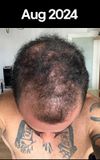
The user experienced hair shedding after using finasteride and topical minoxidil since August 2024, and briefly adding oral minoxidil in early 2025. They suspect the shedding might be due to the oral minoxidil, a bad batch of finasteride, or a normal shedding cycle, and are also experiencing an itchy scalp and acne.
The conversation discusses the "bleach test" for minoxidil, where minoxidil turns yellow when mixed with bleach. The user tested liquid minoxidil, rogaine foam, and minoxidil tablets, all of which turned yellow, suggesting a reaction specific to minoxidil.
PP405 is seen as a potential breakthrough for converting vellus hairs to terminal hairs, with users expressing both hope and skepticism. It is compared to treatments like minoxidil and finasteride, with discussions on side effects and marketing concerns.
Dermastamp is preferred for hair growth and skin health due to fewer scars, with recommended needle sizes of 0.5-1.5mm. Dermapen is also favored over dermarollers, which are considered dangerous.
User "cheekykevin" shared 15-week progress using minoxidil and dermarolling, with positive results. Others suggested using ketoconazole for dandruff side effect.
The user has been using topical minoxidil (5%) for two years and kx826/pyrilutamide for one year, after experiencing side effects from finasteride. They report positive results from the combination of minoxidil and kx826 in combating hair loss.
RU58841 is being mixed with Minoxidil solution, but concerns arise about water causing instability. Mixing with water may lead to hydrolysis, potentially reducing effectiveness.
A new Latanoprost-based formula used by Hollywood celebrities to treat hair loss, with the formula containing minoxidil, tretinoin, melatonin, azelaic acid, zinc thymulin, vitamin B6, sandalore and methyl vanillate. It also mentions the potential of offering a combined sublingual minoxidil/oral dutasteride option in the future.
A user is experiencing increased hair shedding after using a homemade topical finasteride mixture with stemoxydine for six weeks. They are concerned about whether the low dose could cause shedding so early.
User shared progress on hair regrowth after 4 months of Spironolactone and iron infusions for Androgenic Alopecia. They see some improvement but struggle with perception; others note significant improvement.
The conversation discusses using Rogain foam as a solvent for topical finasteride due to an allergy to propylene glycol. The foam's ingredients, including alcohol SD 40B, are considered suitable for dissolving finasteride for easier application without skin irritation.
After a second session of Platelet-Rich Plasma (PRP) treatment for hair regrowth, the user is experiencing increased shedding of thick and dark hairs and is concerned about whether this is temporary. They are seeking others' experiences with PRP, specifically regarding the duration of shedding and eventual positive outcomes.
The conversation discusses a person's hair loss treatment over 1.1 years with finasteride, 1.5 years with minoxidil, and 2 months of microneedling, noting less shedding since starting vitamin D3 a month ago. Commenters are impressed with the results.
An 18-year-old is seeking advice on microneedling while using RU58841 for hair loss. Recommendations include using a derma pen with 0.5mm needles every two weeks and avoiding RU application for 24 hours post-microneedling to prevent absorption into the bloodstream.
A user is seeking advice on the efficacy and side effects of homemade topical solutions for hair loss, specifically bicalutamide, estradiol, cyproterone acetate, and spironolactone, as they cannot access RU58841 or pyrilutamide.
The conversation discusses DIY cosmetic procedures like PRP, mesotherapy, and micro-needling, with some users experimenting with Minoxidil, finasteride, and RU58841 for hair loss. It highlights a community of mostly older women performing these treatments themselves.
Oral minoxidil may be more effective than topical due to uniform distribution and systemic activation, but can cause side effects like puffiness. Adding tretinoin to topical minoxidil can enhance its effectiveness by aiding conversion to its active form.
A user experienced hair thinning due to traction alopecia from using Murray's Beeswax and is considering treatments like minoxidil and finasteride to reverse the damage. Another user suggests consulting a hair specialist, as the hair may not regrow if scar tissue has formed.