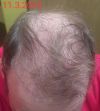
A user is using oral finasteride, oral dutasteride, and drinking topical minoxidil for hair loss, despite health warnings. Switching from finasteride to dutasteride did not improve hair density.
A 42-year-old man achieved significant hair regrowth in seven months using oral minoxidil, oral dutasteride, topical minoxidil, microneedling, and supplements. He experienced minimal side effects and noted dramatic improvements in hair thickness and health.
A 28-year-old male experiencing hair thinning is considering minoxidil and finasteride. Minoxidil helps regrow hair, while finasteride prevents further loss; both are usually lifelong treatments.
The user experienced significant hair regrowth using 1mg oral finasteride, DIM, and beetroot powder, while also focusing on gut health and reducing alcohol intake. Other users discussed the importance of iodine, fermented foods, and maintaining a balanced diet for overall health and hair improvement.
A 21-year-old male experiencing hair thinning started using Minoxidil, which stopped his shedding and led to the growth of vellus hairs on his temples. He is considering whether to add finasteride to his routine, which currently includes Minoxidil, derma rolling, ketoconazole shampoo, vitamin D3, zinc, and a rosemary and fenugreek lotion.
A 25-year-old user shared progress pictures after using oral finasteride and oral minoxidil for nearly four months, reporting significant crown gains and slight temple progress without side effects. The user chews a Hims 3-in-1 tablet and has not experienced any shedding due to starting with a shaved head.
Hair loss is less common now due to accessible treatments like finasteride, minoxidil, and hair transplants. Improved hair care, skincare, and lifestyle changes contribute to people looking younger today.
A user reversed severe hair loss with dieting, lifestyle changes, and topical minoxidil, highlighting reduced inflammation and body fat. The conversation debates finasteride's effectiveness and the impact of diet and lifestyle on hair health.
The user experienced hair regrowth and thicker hair after using finasteride daily for four years and recently added topical minoxidil. They are considering derma stamping but are cautious about switching to dutasteride due to potential side effects.
2-deoxy-D-ribose is being explored as a hair loss treatment but is not proven effective in humans and may be costly and inconvenient. Minoxidil remains the most effective treatment.
Dutasteride and finasteride for hair loss, with dissatisfaction expressed about dutasteride and consideration of switching back to finasteride. Users share varied experiences, noting individual responses to treatments differ.
Minoxidil is more effective when combined with retinoic acid, such as tretinoin or tazarotene, enhancing hair growth. Some users experience significant regrowth, while others see minimal effects or side effects.
Procapil is marketed as a natural hair loss treatment but lacks strong evidence and is industry-biased. Minoxidil and Finasteride are the only FDA-approved treatments for androgenetic alopecia.
A 22-year-old is experiencing aggressive hair loss despite using minoxidil and finasteride and is considering a hair transplant but lacks funds. The discussion includes advice on treatments like dutasteride, microneedling, and lifestyle changes, with mixed opinions on the timing and effectiveness of a transplant at a young age.
Switching from topical to oral minoxidil for hair loss, with plans to use it alongside dutasteride. Users report mixed experiences, including increased body hair, potential heart-related side effects, and varying hair regrowth.
The conversation is about hair loss treatments, focusing on minoxidil and finasteride, with suggestions for microneedling and dermarolling to improve hair thickness. The original poster has used minoxidil for four years and finasteride for over a year but is exploring additional options for better results.
The user has been using finasteride and minoxidil for over two years but is experiencing worsening hair loss. They are considering adding dutasteride, switching to oral minoxidil, and possibly a hair transplant, seeking advice on these options despite potential side effects.
People are eagerly awaiting the release of PP405, a new hair loss treatment. Some are using minoxidil and finasteride in the meantime, but there are concerns about scams and unverified products.
The user replaced finasteride with saw palmetto due to availability issues and experienced side effects, leading to adjustments in their regimen. They use saw palmetto, minoxidil, Nizoral, and a dermaroller, reporting reduced side effects and some benefits, with hair fall ranging from 5 to 20 hairs daily.
The user discusses using finasteride and dutasteride for hair regrowth, avoiding minoxidil due to side effects and inconvenience. They find these treatments effective without needing minoxidil.
Hair loss treatments like finasteride, minoxidil, and hair transplants are more accessible and effective now. Concerns about side effects and skepticism about new treatments like hair cloning and GT20029 remain.
Quitting smoking led to reduced hair loss for the original poster, who also used finasteride and topical minoxidil. Other users shared mixed experiences with smoking and hair loss, with some noticing improvements after quitting and others seeing no change.
Oral minoxidil is effective for hair loss but can cause cardiovascular side effects, such as pericardial effusion, especially in those with genetic predispositions. Starting with low doses and monitoring cardiovascular health are advised to reduce risks.
Increased coffee intake might be linked to hair shedding, but the cause is unclear. The user is on finasteride and has increased water intake, possibly affecting electrolyte balance.
A user received a topical finasteride solution from a pharmacy, which likely dissolved finasteride tablets instead of using pure finasteride powder, resulting in sediment. The user expressed dissatisfaction, expecting pure powder, and discussed the pros and cons of DIY solutions and the use of minoxidil with finasteride.
A user shared their experience with finasteride for hair loss, noting it slowed but didn't stop their hair loss, and they quit after 1.5 years. Suggestions included trying dutasteride, adding minoxidil, and maintaining a healthy lifestyle.
A user shared their 9-month hair loss treatment progress using oral finasteride, oral minoxidil, a topical solution with minoxidil and finasteride, microneedling, and ketoconazole shampoo. They are happy with the results and considering whether a hair transplant will be necessary.
A user shared their 3-month experience with oral Minoxidil and nearly a year on finasteride, asking if a hair transplant might still be needed. Responses varied from congratulatory remarks on visible improvement to advice on sticking with treatments despite initial shedding.
A user is frustrated about early balding despite older male relatives retaining hair into old age. Another user plans to start finasteride soon to address their hair thinning.
The conversation discusses using a microneedling device on the face after using it on the scalp, with suggestions to use a depth of 0.2mm for facial treatments. Caution and proper sterilization are advised due to the sensitivity of facial skin.