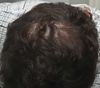
The post discusses microdosing finasteride to minimize side effects while treating hair loss. The user also mentions using minoxidil, biotin, and ketoconazole.
The post discusses hair loss treatments, specifically using minoxidil, finasteride, nizoral, and sulfur-including shampoo. The author shares personal experiences and tips for application, frequency, and managing side effects, noting significant regrowth with both minoxidil and finasteride.
A user is experiencing significant hair loss and stress, seeking advice on treatments. They are using Pura d'or shampoo and conditioner, biotin, and considering other options but are hesitant about treatments like Minoxidil due to the need for continuous use.
The user started with Finasteride at 19, added Dutasteride and Minoxidil at 26, but continues to experience hair loss. Suggestions include checking health markers, considering genetics, and possibly increasing Minoxidil dosage.
A user shared an extensive hair loss treatment regimen including dutasteride, minoxidil, tadalafil, RU58841, microneedling, and various topical and oral supplements. Responses varied, with some suggesting the regimen is excessive and others offering additional advice or expressing skepticism about its practicality and effectiveness.
The user plans to stop finasteride after three months, believing hair loss isn't due to DHT, and will continue with oral minoxidil, microneedling, and ketoconazole shampoo. They suspect stress and poor nutrition are the main causes and seek opinions on DHT blockers' effectiveness.
A 25-year-old male is experiencing hair thinning at the hairline and vertex, considering using a dermapen or dermastamp, and seeking advice on whether to continue with natural remedies like onion juice and rosemary oil or start using minoxidil or finasteride. He is also looking for recommendations on microneedling devices.
A 24-year-old male is considering a hair transplant after unsuccessful attempts with oral minoxidil, topical finasteride, ketoconazole shampoo, and lifestyle changes. He believes smoking and caffeine may worsen his hair loss and is looking into hair fibers for temporary coverage.
The user experienced significant hair regrowth using minoxidil, microneedling, and estrogen, leading to a need to tie their hair back. They attribute the success to estrogen suppressing testosterone, alongside their routine of minoxidil, microneedling, and supplements.
A user is trying to regrow hair using a natural approach without Minoxidil or finasteride, focusing on micro-needling, red light therapy, and various oils and serums. Other users suggest that medical treatments are more effective for male pattern baldness.
User experienced significant hair regrowth using Minoxidil and Finasteride since January 2020, with no side effects reported. Shaving head twice helped Minoxidil reach scalp more effectively.
The user regrets stopping finasteride and minoxidil due to increased hair loss. They have resumed these treatments and are considering a hair transplant.
Hair loss is a common issue, with treatments like finasteride and minoxidil used but not as permanent cures. Frustration exists over societal perceptions and the lack of a definitive solution.
The user is experiencing hair thinning despite using Dutasteride and Finasteride and is considering adding Minoxidil. Suggestions include increasing the Dutasteride dose, checking for health issues, and considering a hair transplant.
OP is experiencing ongoing hair shedding despite two years on finasteride, with some initial improvement but no long-term success. Users suggest seasonal shedding, checking for vitamin deficiencies, considering minoxidil, and possibly switching to dutasteride.
A user experienced no hair regrowth after using oral minoxidil, topical finasteride, minoxidil, and tretinoin, and reported side effects from oral finasteride. They are considering switching to dutasteride or using hair fibers for better results.
The user is experiencing hair loss and is using oral treatments including 5mg minoxidil, 1.1mg finasteride, and 1mg biotin daily. They are considering adding dutasteride and possibly a hair system, while others suggest patience and additional treatments like microneedling.
A long-term finasteride user experienced side effects like sexual dysfunction, dry eyes, muscle weakness, and brain fog, which improved when they stopped the medication. They decided to stop finasteride again, questioning if maintaining hair was worth the negative impact on their well-being.
A user shared their experience with hair regrowth using supplements like NAC and DIM, and briefly using minoxidil with microneedling. They reported some improvement in hair density, but the community questioned the effectiveness compared to traditional treatments like finasteride.
Gut microbiome imbalances can cause scalp inflammation and affect hair follicles, potentially leading to hair loss. Treatments include finasteride, peptides like BPC-157, TB-500, KPV, and lifestyle changes such as diet and exercise.
Oral minoxidil is more effective than topical minoxidil for hair regrowth but may cause side effects like heart issues and increased body hair. Combining it with finasteride is common for better results, though side effects vary.
A 23-year-old is using 2.5 mg dutasteride, 5 mg oral minoxidil, RU58841, a laser cap, and PRF injections for hair loss. They are hesitant about microneedling due to concerns about RU58841 absorption and are considering other treatments.
A user is experiencing hair loss despite using topical minoxidil, oral finasteride, and 2% ketoconazole shampoo, and is seeking advice on further treatments. Suggestions include switching to dutasteride, trying oral minoxidil, addressing scalp inflammation, and considering dietary changes and supplements.
A user shared their 6-month update on hair loss treatment, using daily Dutasteride, oral and topical Minoxidil, Ketoconazole shampoo, topical Finasteride, dermastamping, and PRP treatments. They reported improved hair quality but no significant regrowth or density increase, and plan to continue the regimen for another year before considering a hair transplant.
DHT is important for sexual function and mood, but finasteride and dutasteride can reduce DHT, causing side effects like reduced libido and erectile dysfunction. These treatments are effective for hair loss, but their impact on DHT leads to debate.
The user has been using finasteride for six years and minoxidil for three years with no noticeable hair regrowth. Suggestions include switching to dutasteride, considering a hair transplant, and trying microneedling.
The user regrets stopping finasteride and minoxidil due to side effects but plans to resume treatment. They consider using finasteride every other day and continuing topical minoxidil to manage side effects while maintaining hair.
The user is using a hair regrowth protocol including dutasteride, topical and oral minoxidil, dermarolling, ketoconazole shampoo, and tretinoin, but is experiencing slow progress and seeks advice for faster regrowth. Suggestions include quitting smoking, adjusting the regimen, and considering additional treatments like topical finasteride or RU58841.
Significant hair growth was achieved using Minoxidil 5% and dermarolling twice a week, with suggestions to add finasteride for maintenance. There is debate on when to apply Minoxidil after dermarolling to avoid irritation.
A 45-year-old male achieved significant hair regrowth in three months using topical finasteride, minoxidil, microneedling, biotin, and cod liver oil. He credits this regimen for his success and clarifies he did not have a hair transplant.