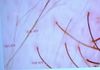
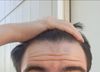
Finasteride changed the user's hair texture from wavy to curly, reverting after stopping. Minoxidil was more effective for temple hair regrowth than finasteride.
The user is experiencing asymmetrical hair loss at the frontal hairline and is concerned about potential conditions like frontal fibrosing alopecia. They have started using finasteride and pumpkin seed oil to address the issue.
Vitamin D deficiency might cause hair loss at the temples. The user has a vitamin D level of 9ng and is experiencing hair loss in that area, resembling a Norwood scale 1 (NW1) pattern.
The user is considering a hair transplant for frontal temple density but is concerned about shock loss. They have been using finasteride for about two years and are advised to consider minoxidil and microneedling for better results.
The user has been experiencing diffuse hair thinning despite using finasteride, minoxidil, dermarolling, clobetasol cream, and PRP sessions. They seek advice on additional treatments and are advised to check vitamin D, iron, and thyroid levels.
Mike, 46, is experiencing hair thinning at the temples and frontal hairline. He plans to try microneedling with a pen and topical dutasteride after oral minoxidil and finasteride showed limited effectiveness and oral dutasteride caused side effects.
A 25-year-old male experienced noticeable temple regrowth using 1mg finasteride, 2.5mg oral minoxidil, and 2mg GHK-Cu over three months. The user is pleased with the progress, especially on the left temple.
Minoxidil and finasteride can help regrow hair, especially in thinning areas, but restoring completely receded temples is challenging and may require a hair transplant. Some users report success with these treatments, particularly when combined with microneedling.
The user noticed increased hair thinning and scalp redness on one side of their temple. They are seeking advice on what this could be and how to address it.
A user who has been using Pyrilutamide for 19 days, experiencing some hair thickening in the right temple and crown area but also having ball ache after microneedling; other users offer advice, caution and skepticism as to whether results can be seen in such a short time.
A 22-year-old is using minoxidil for hair loss but is hesitant to start finasteride due to mixed advice and fear of side effects. They seek guidance on whether to begin finasteride despite concerns about potential permanent side effects.
A user experiencing diffuse thinning since age 18 describes their hair as unhealthy, dry, thin, and hard, with texture changes cycling between good and bad every few weeks. They are not on any medication, only taking vitamins and supplements.
A user's progress pictures with Finasteride, showing positive results in 7 months; other users suggested additional treatments like biotin and nizoral shampoo, as well as changing to Dutasteride, while another mentioned it could take up to a year for further gains.
The user is experiencing hair thinning and brittleness, possibly due to Telogen Effluvium, which affects body hair and may be linked to stress or nutrition. They are considering using finasteride for treatment but are unsure if it will address their symptoms.
Younger generations now view receding hairlines as baldness, increasing the use of treatments like minoxidil and finasteride. Social media and changing beauty standards have intensified focus on hairlines, altering perceptions of baldness.
The user shared progress pictures showing improved hair growth at the temples after 2.5 months using oral finasteride/dutasteride, ketoconazole shampoo, minoxidil, tretinoin, and dermarolling. The user reported no side effects from the medications and noted inconsistent microneedling.
The conversation discusses whether someone with a naturally large forehead and widow's peak can get a hair transplant and start finasteride early. It also mentions a surgery to lower the hairline as an alternative.
Finasteride may help stabilize hair loss, but regrowth at the temples is challenging and often requires additional treatments like minoxidil or a hair transplant. Users suggest patience and possibly combining treatments for better results.
The conversation discusses concerns about potential hair thinning over two years, with suggestions to monitor changes and consider treatments like Minoxidil and finasteride if needed. The user is advised to refer to a beginner's guide for more information.
A user's experience with Dutasteride causing rapid hair loss and temple recession over 3 weeks, with other users offering advice about the potential causes of this.
A user's progress with their hair loss treatment, which includes finasteride and nizoral, as well as the potential for using minoxidil; other users providing advice based on their own experiences; and others discussing how buzz cuts can make diffuse thinning look worse than it is.
The conversation discusses a user's 3.5-month experience using pyrilutamide and minoxidil for hair loss, with some perceived improvement in the temples but potential recent regression. Another user suggests that maintaining the current hairline, even without improvement, is positive.
Finasteride worked better for frontal scalp hair loss, while dutasteride helped the crown and mid-scalp but worsened the frontal area. The user shared personal experiences and invited open dialogue.
The user has been using dutasteride, minoxidil with tretinoin, and ketoconazole shampoo for hair loss but hasn't seen improvement in temple areas. Suggestions include trying microneedling with minoxidil or considering a hair transplant, though temple transplants can be challenging.
The user experienced significant hair improvement after one year using topical finasteride and minoxidil, combined with a hair transplant at the front. They switched from oral to topical finasteride due to side effects and are satisfied with the results, especially at the temples.
A young man faces severe hair loss in his early 20s, using treatments like dutasteride and minoxidil with little success, impacting his self-esteem and relationships. He considers hair systems and therapy as potential solutions.