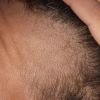
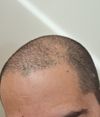
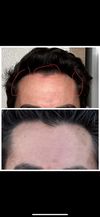
OP underwent a hair transplant (HT) and has been using finasteride for one year. Despite having thin hair, OP is happy with the results and feels more confident.
A 23-year-old shares progress in hair quality after 4 months using dutasteride, topical minoxidil, and other treatments, noting improved crown thickness but persistent temple thinning. They switched from finasteride to dutasteride due to side effects and started testosterone replacement therapy, which they believe helps mitigate side effects.
The conversation discusses hair regrowth progress using Minoxidil, Biotin, Finasteride, and Ketoconazole, with microneedling stopped after 8 months. The user is questioning the effectiveness on temple areas after 1.7 years of treatment.
A 42-year-old with a Norwood 2 hairline is using topical minoxidil and finasteride with tretinoin to address hair loss, having previously experienced side effects from oral finasteride and dutasteride. Suggestions include continuing current treatments, considering microneedling, and being patient for results.
A 31-year-old with diffuse thinning experienced significant hair regrowth after nearly 5 months on Finasteride 0.75mg MWF. Despite initial side effects like testicle pain and reduced sex drive, these issues resolved, and positive effects included reduced nighttime urination and scalp itching.
The user is experiencing diffuse thinning and inflammation despite using 2.5mg dutasteride daily, ciclopirox, and ketoconazole shampoos. They are considering treatments like hydroxychloroquine and JAK inhibitors due to suspected scarring alopecia and have faced challenges in obtaining a scalp biopsy.
The user started 2.5mg oral minoxidil 4.5 months ago and 1mg finasteride 1 month ago for hair loss. They are concerned about thinning hair and receding temples, but others suggest their hair looks good and recommend considering a hair transplant.
The user has been using oral minoxidil, dutasteride, RU58841, and other treatments for hair loss over nine months, seeing some improvement in hair thickness and crown volume but continued thinning at the hairline. They plan to continue treatment for another nine months despite being sensitive to DHT fluctuations and are considering increasing dosages or other options like a hair transplant.
A trans man shared his 5-month progress using finasteride and minoxidil for temple regrowth, noting slow but steady results. Despite some negative comments, he received support and encouragement from others, with advice to start treatment early for best results.
The user discusses experiencing side effects from topical finasteride but not from oral finasteride, seeking advice on this issue. They mention a gradual increase in oral finasteride dosage with no side effects.
User discusses hair loss plateau from December to March, using 0.5 Dutasteride. Others suggest waiting longer for results, keeping sides trimmed, and continuing treatment.
A user experienced severe dry eyes as a side effect of using topical and oral Finasteride for hair loss and is seeking alternative treatments. They are considering other anti-androgens like Dutasteride, RU58841, Pyrilytamide, and Fluridil, despite mixed results and potential side effects.
Diffuse thinning can result in varied regrowth, with some users experiencing better results at the hairline and others at the crown. Treatments mentioned include finasteride, minoxidil (oral and topical), RU58841, microneedling, and dermarolling.
A 30-year-old male is considering switching from topical to oral minoxidil after two months of use on his temples, while also using dutasteride every other day. A user suggests oral minoxidil might be more effective but warns of potential side effects like fluid retention and lower blood pressure.
The user has been using a combination spray with 0.1% finasteride, 5% minoxidil, and tretinoin for over a year but feels their hairline has worsened. They are considering increasing the concentration of finasteride and adding 5% minoxidil once a day.
A 31-year-old experienced significant hair regrowth after switching to oral Finasteride but reported dull orgasms as a side effect. Users suggested waiting for the body to adjust, reducing the dosage, or switching to topical Finasteride to manage side effects.
Hopeful treatments for hair loss, including Verteporfin, Androgen Receptor Degradation, and SCUBE3. These treatments offer potential solutions to slow or stop the effects of androgens on the scalp.
The individual has experienced a sore, stiff, and itchy scalp with hair loss for 4.5 years, and has noticed increased thinning and miniaturized hairs, especially at the temples. They have tried ketoconazole shampoo without success and are considering finasteride for treatment.
The user experienced side effects like shallow breathing, loss of libido, and erectile issues after using topical finasteride with minoxidil for hair loss. They are considering whether to continue the treatment despite these side effects.
The user is considering a hair transplant to increase hair density after using finasteride and minoxidil for two years. They prefer a natural hairline and are unsure if a transplant is suitable for overall thinning.
A 28-year-old male is experiencing temple regrowth but crown thinning while using 5mg minoxidil and 0.5mg dutasteride. The shedding phase is seen as a positive sign of treatment effectiveness, with expectations of noticeable improvements around 6 to 12 months.
A user experienced reduced stress and improved hair appearance after getting a buzzcut while using finasteride, minoxidil, and microneedling. The user feels the haircut and treatments may have improved hair quality and filled in patchy areas.
User experienced slow gains with topical fin+min, switched to topical dut+min, and considered adding Eucapil. Another user suggested DUT may be less effective topically due to high molar mass and mentioned Fluridil as a weak anti-androgen that could help.
A person has been using 1mg Finasteride for 20 years with no side effects but is now noticing temple thinning and is considering oral Minoxidil, despite concerns about heart health and body hair growth. They are consulting a doctor about possibly taking 1.25 to 2.5 mg of oral Minoxidil.
The conversation discusses struggles with diffuse thinning and hair loss treatments, including the use of dutasteride, minoxidil, and finasteride, with limited success. The original poster regrets having a hair transplant at 21 due to weak donor hair and ongoing thinning.
The conversation is about restoring hairline and temples using finasteride, micro-needling, and Ketoconazole shampoo, with suggestions to add minoxidil despite its side effects. A hair transplant is considered likely necessary for significant restoration.
The user has been using finasteride and minoxidil for 7 months, seeing thicker hair but no temple regrowth, and is considering switching to dutasteride. Another person suggested trying microneedling on the temples before changing medications.
A 22.5-year-old male is frustrated with doctors for not taking his diffuse thinning seriously. He has been using finasteride for 2.5 years, avoids topical minoxidil due to dandruff, and is hesitant about oral minoxidil due to weight and injury concerns.
Hair loss treatments, such as minoxidil, finasteride, microneedling, ketoconazole shampoo and vitamins D3 and Omega 3, which appear to have been successful in regrowing hair on a user's temples that had been slick bald for 8-9 years.