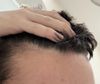
A 31-year-old started taking finasteride 1mg daily to address hair loss, hoping for stronger and thicker hair. They have not experienced any side effects so far and shared before pictures for comparison.
The conversation is about a user concerned about hair thinning despite using finasteride, minoxidil, RU58841, and recently adding dutasteride. Most responses suggest there is no noticeable difference in hair loss, attributing concerns to paranoia, and recommend continuing the current treatment or adjusting expectations.
RU58841 caused severe side effects like heart palpitations and shortness of breath, leading the user to stop using it. Minoxidil and finasteride were effective without side effects, while RU58841's safety and effectiveness remain uncertain.
The user is experiencing white flakes and a greasy look from using a topical solution containing 0.025% finasteride, 8% minoxidil, 0.01% retinoic acid, and 1% hydrocortisone. Suggestions include reducing application frequency, using a brush to clean the scalp, and considering alcohol-free alternatives.
Comparing two upcoming topical hair loss treatments, Fluridil and Breezula, to determine which is most effective for treating hair loss, taking into consideration factors such as price, side effects, potential for hair growth, convenience of application, smell, greasiness, and styling after use.
The user is experiencing hair loss, possibly due to androgenic alopecia or telogen effluvium, and is considering treatments like Minoxidil, Finasteride, or RU58841. They also mention potential iron deficiency and sleep deprivation as contributing factors.
The conversation discusses hair loss treatments, specifically Minoxidil, finasteride, and RU58841. It also mentions an update on Dr. Bloxham's Verteporfin treatment.
The user's hair appears to have improved, looking thicker and healthier, especially around the temples, after using topical minoxidil, finasteride, dutasteride, and tretinoin. Most participants agree the last picture shows significant improvement, though one disagrees.
The user switched from finasteride to dutasteride and added oral minoxidil, which helped regrow their hairline and reduce shedding. They experienced side effects like brain fog, sluggishness, and fat gain with dutasteride, and slight chest tightness with oral minoxidil.
Hair loss discussion focused on 2% Fluridil's peak efficacy at 3 months and 7% Fluridil group buy results, including shedding decrease, side effects, and regrowth.
The conversation is about considering switching from Fluridil to Pyrilutamide for hair loss treatment. Pyrilutamide is suggested to be more effective, with a recommendation to use the 1% variant twice daily.
Finasteride made the original poster feel better, with increased energy and less frequent urination, but they were advised to see a doctor due to potential prostate issues. Some users reported positive effects like increased libido and reduced anxiety, while others experienced negative side effects like brain fog and erectile dysfunction.
The user started using minoxidil 5% and alternating 1mg finasteride with 0.5mg dutasteride, noticing some hair improvement after two months. They experienced side effects like watery semen and fluctuating libido, but also positive effects like reduced anxiety and clearer skin.
The user experienced significant hair loss after stopping a treatment with vitamins, minoxidil (2.5mg), and dutasteride (0.5mg) for three months. They resumed the treatment 20 days ago and are hopeful for recovery, with no side effects reported.
A female user is seeking feedback on using topical minoxidil on eyebrows due to eyebrow loss, as oral minoxidil hasn't worked and they avoid Latisse due to potential fat loss.
The post discusses the use of latanoprost foam for hair growth, with the user expressing concerns about its efficiency and safety. The user is currently using topical dutasteride, which maintains their hair but doesn't promote regrowth, and is seeking a product that doesn't affect hormone levels.
A user reported significant hair improvement using oral minoxidil, Rogaine 5%, and spironolactone but experienced worsening PMS. They seek advice on managing the PMS symptoms.
A user experienced significant hair growth using oral dutasteride and minoxidil but developed severe erectile dysfunction, likely exacerbated by obesity and diabetes. They plan to lose weight and possibly adjust medication to alleviate side effects.
User 765bonazoli asked about experiences with Minoxidilmax topical latanoprost for hair loss. No specific treatments were mentioned in the provided text.
A user switched from finasteride to dutasteride for hair loss and noticed significant thinning after one month. They are asking if others had a similar experience and if there was eventual improvement.
Making a 1 year update on hair loss treatment of Finasteride, 5 mg oral minoxidil and topical minoxidil with 1.5 mm dermarolling; the user experienced some face pimples, baggy eyes, and had tried skin care. They also used fiber with their hair product and left it for a few days to make it look visually better. Replies were positive and one asked if using both oral and topical minoxidil was overkill.
The post and conversation are about the long-term side effects of using Dutasteride and Finasteride for hair loss, including issues like raised liver enzymes, high cholesterol, and loss of libido. The user advises regular blood work and careful monitoring for those using these treatments.
The user experienced concerning side effects like throat irritation, shortness of breath, chest pain, and testicle pain after using RU58841 for hair loss, despite also using finasteride and minoxidil. Other users shared mixed experiences, with one advising to stop using RU58841 due to similar side effects, while another reported significant hair loss reduction without side effects.
The user has been using finasteride, minoxidil, Viviscal, biotin, saw palmetto, fish oil, and alternating shampoos to combat hair loss but continues to experience thinning, especially at the hairline. They are considering trying dutasteride but are hesitant, and they are contemplating shaving their head if the situation doesn't improve.
A user shared their experience with Finasteride for hair loss, noting improvement but still some thinning. They plan to get a hair transplant to address remaining thin spots and strengthen their hairline.
The user is using oral finasteride and minoxidil for hair loss but reduced the dosage due to side effects like lightheadedness and weakness. They are also taking vitamins and natural DHT blockers.
User experienced hair growth with finasteride and minoxidil, but after using tretinoin, faced aggressive thinning and hair loss. They plan to stop tretinoin for two months to see if the problem improves.
Switching from daily 0.5mg dutasteride to three times a week may reduce side effects without worsening hair loss. Bloodwork showed no abnormalities, supporting the change.
The user experienced significant hair shedding initially but saw progress after 8 months using 1.25 mg of oral finasteride and minoxidil. They noticed increased hair growth on their eyelashes, eyebrows, and body, and considered increasing the dosage but decided to maintain the current regimen.
A 26-year-old is experiencing hair thinning and has received conflicting diagnoses of androgenetic alopecia and telogen effluvium. They are considering treatments like dutasteride, oral and topical minoxidil, and are unsure whether to start treatment or pursue further diagnosis like a scalp biopsy.