Search
for
Sort by
Community Join
960-990 / 1000+ resultscommunity Taking Potassium Chloride and Magnesium made minoxidil-induced palpitations 0
Taking potassium chloride and magnesium stopped minoxidil-induced palpitations. The user is considering continuing minoxidil with these supplements.
community starting to see progress no more hats
The user experienced hair regrowth and increased confidence after 3 months of using 2.5mg minoxidil and 0.5mg dutasteride. They noticed initial shedding but saw significant improvement, allowing them to go without wearing hats.
community My progress with dut and minox
The user experienced hair loss and side effects from finasteride, switched to dutasteride and oral minoxidil, and saw improvements in beard and body hair but continued hair loss on the head. They plan to continue treatment and consider a hair transplant to improve results.
community Topical bimatoprost or latanoprost
OP is considering adding topical bimatoprost or latanoprost to their hair loss treatment, which already includes oral minoxidil, and is seeking reliable sources for these products. Users discuss the effectiveness and sourcing of these treatments, with some using bimatoprost for both hairline and eyelashes, and others planning to use latanoprost mixed with finasteride.
community My finasteride story. M36 diffuse thinner
User started finasteride in Oct 2021 and experienced reduced shedding and side effects. Saw improvements in months 3-5, but worsening in months 11-13, and asks for advice on next steps.
community Oral v topical Min & Dutasteride
The user experienced hair loss after switching from topical to oral minoxidil and adding dutasteride, leading to doubts about its effectiveness. They are considering returning to RU58841 or topical minoxidil due to continued shedding and mental distress.
community 1 year on Dutasteride did my hair get worse
The user experienced mixed results after one year on Dutasteride, with some areas of hair appearing worse and others better. They increased their Dutasteride dose to 2.5 mg daily and started using RU58841, with suggestions to add Minoxidil for improved results.
community My eyelashes and eyebrows on oral min
User Crazy-Signature930 shares progress on oral minoxidil for eyelashes and eyebrows. Others comment on the impressive results and ask about side effects and duration of use.
community 4 month progress - 24 yo on 0.5 mg oral finasteride + topical 5% minoxidil
A 24-year-old shares their positive 4-month progress using 0.5 mg oral finasteride and 5% topical minoxidil for hair loss, reporting no significant side effects. Other users discuss similar experiences and regimens, with some expressing concerns about potential side effects.
community Inflammation (and health care system) frustration
A woman is frustrated with her hair loss and the slow, ineffective healthcare system in Canada. She has tried treatments like minoxidil, doxycycline, and kenalog injections, but continues to experience painful inflammation and hair loss.
community venting about lack of visible results from the treatment
The user is frustrated with the lack of visible hair regrowth after 7-8 months of using finasteride and minoxidil, despite initial vellus hair growth. Others suggest patience, switching to oral minoxidil, or using additional treatments like dermastamping, microneedling, and red light therapy.
community Added RU58841 and having almost instant results
User added RU58841 to their hair loss treatment and experienced quick results. Others also reported positive effects, but one user experienced chest pains as a side effect.
community No Visual Change But I Feel Like My Hair is Stronger
The user feels their hair is stronger despite no visual change after using Finasteride for 9 months and Minoxidil for 7 months, and plans to add microneedling. Other users share similar experiences, suggesting combinations like Finasteride with Dutasteride and Minoxidil with Tretinoin for better results.
community Quitting Caffeine, Reducing Sugar, and Generally Improving Health as a Whole Has Personally Reduced Miniaturization and Shedding for Me as Well as Given Me Slight Improvements in Temporal Density.
A user experienced hair loss improvement by quitting caffeine, reducing sugar intake, and improving overall health, while also using rosemary oil conditioner. They previously tried minoxidil, finasteride, and dermarolling, but stopped due to side effects and heart palpitations.
community Dutasteride switch after 8 months made my hair worse (With picture proof)
Switching to Dutasteride worsened hair condition, causing shedding and inflammation. The user will continue Dutasteride until 18 months before possibly switching back to Finasteride, while using oral Minoxidil.

community 26M: Concerned About Minoxidil Dependency After Starting Treatment
The user started finasteride and minoxidil but is concerned about potential hair dependency on minoxidil and is considering using only finasteride. They are unsure if they are experiencing hair loss or just have a mature hairline.
community How has hairloss/balding affected your anxiety or OCD, and how do you cope with it?
community Finasteride 5mg & Spironolactone 100mg
A 20-year-old female is using finasteride 5mg and spironolactone 100mg for severe hirsutism and is experiencing minor side effects like water weight loss and irregular periods. She is concerned about potential future side effects and hair regrowth on her scalp.
community For me, Dutasteride works. w/ Proof pictures.
Dutasteride helped improve hair thickness and reduce crown visibility for the user, who experienced initial side effects like headaches and watery semen. The user takes Dutasteride every other day, costing $15 monthly, and advises consulting a doctor before starting the treatment.
community Dutasteride is REVERSING my progress? PLEASE HELP
Switching from finasteride to dutasteride led to hair loss despite continued use of minoxidil. Many recommend reintroducing finasteride, as responses to treatments can vary.
community Breezula hasn't even begun phase 3 trials yet. F*cking hell.
The conversation is about the delay in Breezula's phase 3 trials and skepticism regarding its effectiveness compared to other treatments like RU58841 and Pyrilutamide. Some users prefer safety over effectiveness, while others express frustration with the slow progress and doubt Breezula will be a significant treatment for hair loss.
community Alfatradiol and bad side effects
Using alfatradiol can cause nausea and headaches. Users discuss these side effects and seek advice.
community does caffeine really work as advertised?
Caffeine may slightly improve hair thickness if you don't have male pattern baldness. Its effectiveness is questioned, and clinical approval is uncertain.
community Switched from 1mg finasteride to 0,5 mg dutasteride - losing hair for 1,5 years - 21M
community Fluridil degrades the androgen receptor.
Fluridil degrades androgen receptors, which are prevalent in the scalp and other tissues. People with androgenetic alopecia (AGA) may have higher expression of these receptors and 5AR activity in affected scalp areas.
community Thinning at 18, started treatment at 20, now 22 update and progress
The user experienced hair thinning and was diagnosed with alopecia incognito and male pattern baldness. They are using minoxidil, finasteride, and dutasteride scalp injections, reporting gradual improvement with no side effects.
community Hair started thinning and found out i have high cortisol and thyroid issues
User experienced hair thinning due to high cortisol and thyroid issues, along with insulin resistance. They are taking magnesium, zinc, vitamin D, calcium, and selenium as supplements.
community Is adding fluridil to dutasteride and oral minoxidil regimen enough to stop hair loss?
User on oral dutasteride and minoxidil for a year experienced slowed hair loss and regrowth initially, but now rapidly thinning again. Asks if adding fluridil to the regimen would be enough to stop hair loss.
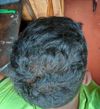
community 18, Experiencing Diffuse Thinning Since 8th Grade - Need Advice
An 18-year-old experiencing diffuse hair thinning since 8th grade seeks advice. They are concerned about having less hair than their 52-year-old father and are looking for treatment options.