B-complex vitamins may improve hair appearance but have limited impact on hair loss. Some users also use minoxidil and finasteride for hair loss treatment.
A user shared impressive hair regrowth results after using 1mg finasteride daily for over a year, with minimal side effects. The user also mentioned taking biotin gummies and experiencing periods of shedding followed by thicker hair growth.
The conversation discusses whether individuals using hair loss treatments like Dutasteride (Dut) or Finasteride (Fin) should regularly check their hormone levels through bloodwork. Some argue it's important to monitor the effects of these medications on hormone levels, while others believe it's unnecessary if there are no side effects, citing cost and practicality concerns.
A user shared their 2-month progress using 1mg finasteride daily, 5% minoxidil with 0.1% finasteride topically twice a day, and Vitamin D3 weekly. They experienced initial side effects like weaker erections and mood swings, which resolved after one month.
The conversation discusses concerns about body dysmorphia related to hair loss, with some users expressing frustration over posts claiming treatments like finasteride and dutasteride are ineffective or harmful despite minimal hair loss. It emphasizes the importance of early treatment with medications like finasteride and minoxidil for those experiencing hair loss.
The user has been using a hair loss treatment regimen including RU58841, minoxidil, and dutasteride, but still experiences hairline recession and fatigue despite high testosterone levels. They are considering adjusting their dutasteride dosage due to concerns about libido and energy levels.
The conversation is about starting finasteride for hair loss, with concerns about high free testosterone and potential side effects like gynecomastia. The user plans to address vitamin deficiencies before beginning the treatment.
A user shared their baseline bloodwork results before starting Finasteride 1mg every other day, seeking comparison with others who have done similar tests. They are interested in any changes observed after beginning the treatment.
IGFBP‐rP1 shows potential for treating androgenic alopecia by influencing hair cycle transitions. Increasing IGF-1 levels may have similar effects to Minoxidil and 5-AR inhibitors in reducing hair loss.
The user had lab work done to check for thyroid issues and other factors related to hair loss. They are seeking advice on which lab results are important for understanding hair loss and what the optimal levels should be.
A vegetarian with IBS is considering reintroducing fish to improve gut and hair health due to protein concerns. Suggestions include adding tofu, avoiding vegan protein shakes, and considering a more carb/fat dominant diet.
The user shared their positive 5-month results using finasteride, minoxidil, derma rolling, and supplements like biotin, zinc, iron, and vitamin C. They provided before and after photos and mentioned applying minoxidil even when derma rolling.
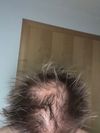
The user is experiencing hair thinning and shedding despite no family history of male pattern baldness. They are considering starting treatments like Minoxidil or finasteride.
A 35-year-old male experienced significant hair improvement using microneedling, finasteride, minoxidil, and keto shampoo. He adjusted his microneedling routine for better results.
A 26-year-old male shared his 3-month progress using Minoxidil and finasteride daily, microneedling weekly, and occasional vitamin D3. A commenter praised his impressive results.
Oral PTD-DBM was discussed as a potential hair loss treatment, but it was deemed ineffective in humans despite promising results in mice. The conversation concluded that trying it without VPA might be unwise.
The user reported using 1.1 mg finasteride, 5 mg minoxidil, 1 mg biotin, dermastamping twice a week, and Nizoral shampoo and anti-itch liquid. The replies praised the progress and suggested a follow-up at six months.
The user shared 9-month results using a 4-in-1 spray containing finasteride, minoxidil, ketoconazole, and biotin, along with lifestyle changes like jogging, quitting smoking, and using collagen supplements. They also incorporated dermastamping, dermarolling, and various oils into their routine, reporting positive hair regrowth.
A user experiencing hair loss since age 18 is considering switching from finasteride and minoxidil to dutasteride after poor results and lifestyle choices. They plan to improve their lifestyle and get blood work done to assess treatment effectiveness.
Many are unaware of effective male pattern baldness treatments like finasteride and minoxidil, often opting for ineffective remedies. Educating others on proven treatments and potential side effects is crucial.
Belgium disagrees with the EMA and does not authorize the 1 mg oral form of finasteride for androgenic alopecia, citing a negative benefit-risk ratio. Despite this, some individuals in Belgium can still obtain finasteride through prescriptions, and there is debate over its mental health risks versus its benefits for hair loss and other health issues.
Hair loss discussion includes treatments like Minoxidil, finasteride, and RU58841. Conversation focuses on foods with sufficient procyanidin b2, such as dark chocolate and apples, and the required dosage.
Minoxidil, finasteride, and RU58841 are discussed as treatments for hair loss. Concerns about AI-generated content accuracy and misinformation are raised.
The user experienced significant hair improvement after switching from topical to oral treatments, using finasteride, minoxidil, and biotin. They reported no major side effects, except for slightly thicker hair on their hands.
Bimatoprost 1% and 3% solutions showed better hair regrowth than minoxidil 5%. The user plans to test a homemade bimatoprost solution on their scalp and share results.
A 22-year-old male shares his one-month progress using topical Minoxidil 5%, finasteride 0.1%, Bontress Pro, hair serum, derma rolling, and supplements like vitamin B12 and biotin. He seeks feedback on his hair loss treatment results.
Biotin can cause cystic acne for some users, and it's advised to stop using it if this occurs. For hair loss, finasteride and dutasteride are recommended, but a dermatologist should be consulted.
The user is using oral Minoxidil 2.5 mg, oral Finasteride 1 mg, and a 2mm derma roller for hair loss but feels discouraged by the lack of results after a month. They are seeking advice and considering additional methods like antiandrogens, exercise, and dietary changes.
Hair loss treatment using minoxidil and finasteride, with the user experiencing a shed after reducing the frequency of application and stopping microneedling. The user is now waiting for new hair growth and hoping to see similar results as before.
Chime Biologics and Hope Medicine are speeding up the launch of a first-in-class antibody drug, HMI-115, for endometriosis and androgenic alopecia. The treatment involves a series of subcutaneous injections, has shown promising results in phase 1, and continues to promote hair regrowth even after the treatment is stopped.