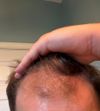
Users discuss using high-strength Minoxidil, topical finasteride, and azelaic acid for hair loss. Some report success with higher Minoxidil percentages, while others express concerns about potential heart risks.
A 21-year-old male experienced side effects from topical finasteride and is seeking alternative treatments to maintain hair until Breezula is available. He is considering using minoxidil, Nizoral, micro-needling, and vitamin D supplementation, and may try CB or RU58841 if necessary.
Bimatoprost (Latisse) may help with hair thinning but is expensive and less effective than minoxidil or finasteride. Combining treatments like minoxidil, finasteride, and possibly RU58841 could be more effective for hair loss.
The user experienced significant hair improvement after switching from topical to oral treatments, using finasteride, minoxidil, and biotin. They reported no major side effects, except for slightly thicker hair on their hands.
The conversation discusses hair loss treatments using oral minoxidil, oral dutasteride, and mesotherapy dutasteride, showing impressive 6-month results. The user wishes these treatments were available in the U.S.
The user is experiencing hair loss after a hair transplant and is considering using fluridil (Eucapil) and possibly alfatradiol as treatments, as they couldn't tolerate finasteride or minoxidil. The manufacturer of Eucapil confirmed they won't produce higher concentrations due to lack of efficacy.
Minoxidil use may worsen seborrheic dermatitis, causing itching and dandruff. Users consider stopping minoxidil or switching to foam to improve scalp condition.
User started oral finasteride 0.33mg daily and later made a topical solution with cetirizine and stemoxydine. They experienced hair growth progress after 8-9 months and discussed factors affecting their results.
A user is exploring Kadeso, a product with Capilia Longa™ for hair regrowth, and seeks real-world experiences, comparing it to Minoxidil and Finasteride. They are interested in results, timeframe, side effects, and the credibility of the product's founder.
The user applies a topical solution containing minoxidil, finasteride, dutasteride, retinoic acid, and hydrocortisone to address scalp inflammation and is considering adding cetirizine to the mix. They are calculating the correct amount of cetirizine to add to their formula and have paused this approach to retry oral minoxidil.
The conversation discusses struggles with diffuse thinning and hair loss treatments, including the use of dutasteride, minoxidil, and finasteride, with limited success. The original poster regrets having a hair transplant at 21 due to weak donor hair and ongoing thinning.
Cyperus rotundus oil is suggested as a natural treatment for androgenic alopecia, potentially inhibiting hair growth without affecting testosterone levels. The conversation questions its effectiveness and safety for scalp use.
OP is considering adding topical bimatoprost or latanoprost to their hair loss treatment, which already includes oral minoxidil, and is seeking reliable sources for these products. Users discuss the effectiveness and sourcing of these treatments, with some using bimatoprost for both hairline and eyelashes, and others planning to use latanoprost mixed with finasteride.
Comparing the effectiveness of RU58841, Pyrilutamide and CB-03-01 as treatments for hair loss, with people discussing different aspects such as binding affinity, time of inhibition, safety data and cost.
User shared progress pictures of hair density improvement using 1mg finasteride and topical minoxidil, but expressed concern about recent hairline miniaturization and treatment effectiveness. Another user complimented the results and inquired about initial shedding.
The post discusses hair loss treatments, specifically using large amounts of finasteride, minoxidil, and micro-needling. The comments suggest various other remedies, like monkey oil, rosemary oil, and biotin, while some advise to embrace baldness and focus on confidence.
The user follows an intensive hair loss protocol including dutasteride, biotin, black tea, pumpkin seed oil, peppermint shampoo, rosemary conditioner, mukemame, soy milk, lycopene, garlic, magnesium, chamomile, spicy food, citrus bergamot, zinc, multivitamins, kefir, and Greek yogurt. They plan to alternate between pumpkin seed oil and safflower oil and will share before and after pictures.
User reports visible hair growth after 1.5 months using dermarolling, Jamaican black castor oil, and onion juice, having stopped minoxidil due to initial hair loss. Replies suggest continuing minoxidil despite shedding, buzzing hair, and trying finasteride or scalp massages.
The user has been taking oral minoxidil and finasteride for 10 months with no hair growth but no further hair loss. They are considering adding rosemary oil and possibly returning to a topical solution.
The conversation discusses using scalp massage, balms like Ethera and L'Occitane, and dietary changes such as rosemary tea and tofu to address hair loss. The user is also considering high-intensity interval training and slow breathing to improve hair regrowth.
The user has been using Minoxidil and Spiro for hair loss treatment but reduced the Minoxidil dosage due to side effects, leading to increased hair loss. They are considering adding the Inkey List caffeine stimulating scalp treatment to their routine and are seeking advice on its safety and effectiveness when used with Minoxidil.
The conversation discusses the delay in the release of a new hair loss treatment, Pyrilutamide, and speculates on potential safety concerns as a reason for the delay. It also mentions GT20029 as another future treatment option, with a release at least five years away, and touches on the avoidance of research chemicals due to uncertainty about their authenticity.
A user hopes to regrow hair using a routine of Min/fin solution twice daily, dermarolling twice weekly, multivitamins daily, and biotin twice daily. Another user doubts the effectiveness of biotin and multivitamins.
The conversation humorously discusses hair loss treatments, mentioning multiple hair transplants, oral minoxidil, and dutasteride, but not Breezula. It also jokes about the high cost and mild effectiveness of certain treatments.
User is experiencing hair thinning and sebum overproduction after starting finasteride and a hair growth supplement containing biotin, iron, zinc, and calcium. They suspect the finasteride might be fake but have noticed a side effect of watery semen.
The conversation is about a product called FLEAVA, found in a Facebook ad, and whether it is effective or just another scam. One user believes it is likely a scam and mentions that such products usually don't compete with Minoxidil.
A user shared their hair regrowth journey since December, using Minoxidil, Saw Palmetto, and Biotin. They included photos to show progress, with one taken in the sun and others with flash.
A user shared their experience using capsaicin from chili peppers and occasional topical minoxidil to promote hair growth, noting noticeable improvements without significant side effects. They previously experienced side effects from dutasteride and minoxidil but found the new regimen effective and manageable.
The user reports progress in hair regrowth using finasteride every other day, topical minoxidil once daily, ketoconazole twice a week, and Vitamin D3 with zinc. They note improvement in temple areas and the appearance of baby hairs.