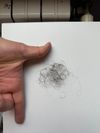
The user is experiencing hair shedding while using finasteride and topical minoxidil with tretinoin, keto shampoo, and dermarolling. They hope the shedding indicates future hair regrowth.
The conversation is about a user's progress with an oral treatment for hair loss using a stack of finasteride, minoxidil, and biotin over two months, noting stabilization after an initial shed. The user mentions using Hims Chews, which are effective but costly, and another user comments that biotin is ineffective.
A person is treating their hair loss with oral minoxidil (2.5mg), derma stamping, and dutasteride (0.5mg) for nearly a year but still feels their hair isn't dense enough to grow out. Commenters are generally supportive, noting progress and suggesting it may look denser than the person perceives.
Stopping minoxidil for 10 days due to eye surgery, with concerns about hair loss. Most responses suggest a short break won't significantly impact hair, and emphasize prioritizing eye health.
DUPA and retrograde alopecia may not be solely DHT-based, and a biopsy is crucial for accurate diagnosis and treatment. Treatments mentioned include dutasteride, oral minoxidil, pioglitazone, clobetasol, calcipotriol, ketoconazole, and doxycycline, depending on the specific condition.
A user shared their hair regrowth progress using oral finasteride, biotin, topical minoxidil, and DS thickening shampoo over five months, reporting significant improvements in hair texture and growth. They experienced minor side effects like a slight headache from switching minoxidil forms but noted no issues with finasteride.
The user is discussing their hair regrowth progress after using oral Minoxidil (2mg daily) and Finasteride (1mg daily) for about five months, along with support supplements like Vitamin D, Biotin, and Omega 3. Suggestions include replacing Finasteride with Dutasteride and increasing Minoxidil dosage, while also considering microneedling and scalp massage for better results.
The user experienced hair loss due to inconsistent oral minoxidil use while continuing dutasteride and topical minoxidil. Consistent treatment is advised for potential recovery of lost hair.
Hair loss and its potential treatments, such as minoxidil, finasteride, RU58841, dermarolling, and supplements. It discusses whether miniaturized follicles can be revived to grow again or must shed for new growth to appear.
A user who had good results with finasteride and minoxidil for three years experienced sudden hair thinning and is switching to dutasteride combined with oral minoxidil and vitamin D3, and starting caffeine topicals. Some responses suggest the hair loss could be a synchronized shedding and advise patience, while others share their own positive experiences with dutasteride.
Adding vitamins like zinc, iron, biotin, and vitamin D to finasteride and minoxidil may help with hair loss. Some users are skeptical about the study's validity due to its precise numbers.
Creatine may cause hair loss in some individuals, especially those on finasteride, despite no scientific link. Personal experiences suggest individual sensitivity to DHT could be a factor.
The user is using a hair loss treatment regimen that includes RU58841, minoxidil mixed with finasteride, adenosine, dermarolling with lidocaine cream, and biotin. They are questioning if they are dermarolling too aggressively and are willing to accept baldness if no improvement is seen in 6 months.
The user started using dutasteride, biotin, vitamin D3, zinc, a multivitamin, and oral minoxidil, and noticed hair shedding after starting gym workouts. Another user suggested getting nutrients from food sources and mentioned that vitamin D3 might need supplementation if not obtained from sunlight.
The user experienced heart palpitations from using Fin (0.1%) and Min (10%) and is seeking alternatives. Options suggested include PRP or Mesotherapy, with a recommendation to try topical Fin without Min.
A user shared their personal theory on hair loss, suggesting it's caused by reduced blood flow and scalp calcification rather than DHT, and claimed to have stopped their hair loss by massaging the scalp, using acid peels, and applying oils and copper peptides. They have not noticed further hair loss for six years since starting this routine.
A 19-year-old male has been using oral finasteride and topical minoxidil since December, with initial success, but has experienced hair thinning and loss since May. Despite using microneedling and tretinoin cream to enhance minoxidil, his dermatologist advised using only minoxidil, causing concern about worsening hair loss.
Taking finasteride alone did not stop hair loss, but adding vitamin D3 and iron supplements improved hair coverage and quality. It's important to check and address deficiencies, but caution is advised with iron supplementation without medical guidance.
The user has been using oral minoxidil for 4 years and durum wheat 3 days a week for 7 months, but is experiencing increased hair loss when washing hair. They suspect it might be due to decreased DHT levels and are seeking similar experiences from others.
The user reports that after 4 months of microneedling, 10 months of Minoxidil, 2 years of finasteride, and using ketoconazole 3 times a week, their hair has become less dense in the treated areas. Despite initial shedding and continued treatment, they have not seen improvement and feel their body is resistant to the medications.
The user is experiencing hair thinning and bald spots, using Nizoral, rosemary oil, fluocinolone, and receiving PRP treatments. They are considering oral minoxidil and finasteride but are hesitant due to age and financial constraints.
The conversation discusses concerns about body dysmorphia related to hair loss, with some users expressing frustration over posts claiming treatments like finasteride and dutasteride are ineffective or harmful despite minimal hair loss. It emphasizes the importance of early treatment with medications like finasteride and minoxidil for those experiencing hair loss.
Stopping Minoxidil caused significant hair loss, which was mostly regained after resuming 1mg Finasteride and 3mg oral Minoxidil. Consistent use of both treatments is essential for maintaining hair growth.
Liquid minoxidil caused mild seborrheic dermatitis on the user's eyebrows, likely due to propylene glycol. The user is considering switching to foam or oral minoxidil to avoid irritation on the scalp/temples.
The user has been using minoxidil on their hairline for about six months and is also on finasteride. They are considering applying minoxidil to the rest of their scalp to improve hair density but are concerned about potential shedding.
Mooseman1944 noticed hair regrowth and less shedding during the first 6 months of taking finasteride, but is now experiencing increased shedding and thinning hair. They are considering switching to dutasteride or adding minoxidil if there's no improvement by next August.
A 19-year-old male has been losing hair since 16-17 and feels more depressed after 6 months of using topical minoxidil and finasteride, which made his hair dry and greasy. Another user suggested switching to oral finasteride and provided tips for using topical minoxidil to reduce greasiness.
A user reported losing hair after 7 months of using oral minoxidil, finasteride, and dutasteride, but others reassured that this is likely just a shedding phase where old hairs fall out to make way for new growth. Some users experience sheds every 7-8 months and suggest staying consistent with treatment.
This user, "ediblediety", has been taking oral minoxidil (1.25 mg daily), keto shampoo and occasional derm-rolling for 4 months to treat their hair loss, and they have experienced a shedding phase after the first few weeks of use. They report improvements in the thickness of their facial and body hair, but note that this may be daunting to women.