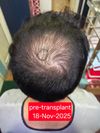
A 27-year-old male experienced rapid hair loss after dengue fever, which activated a balding gene. The doctor suggested platelet-rich plasma treatment for hair regrowth.
A 21-year-old experiencing itchy and burning scalp with hair loss was diagnosed with MPB and scalp inflammation. They were prescribed Ketoconazole, Prednisone, Clindamycin, and Finasteride, and are considering trying antihistamines, dietary changes, and "nopoo" to alleviate symptoms.
The user is experiencing hair loss likely due to anemia and nutrient deficiency, and is considering using Minoxidil or non-drug treatments like coffee rinses while improving their diet and taking supplements. They are unsure if Minoxidil will be effective for this type of hair loss and are concerned about potential side effects.
The user has been microneedling for 4 weeks and using treatments like minoxidil and eclipta alba oil, seeing positive but slow results. They are considering peppermint oil as a potentially more effective alternative to minoxidil.
The user uses a 1.5mm derma stamp weekly for hair loss and applies minoxidil afterward, feeling a slight burn but no bleeding. They question if bleeding, seen in others using a derma pen, indicates proper technique.
A 39 year old male who has been balding since 23 and is intolerant to finasteride, using microneedling with Derminator 2 once per week and minoxidil foam twice daily in an effort to increase thickness of vellus hairs on the crown and maintain hairline.
The conversation is about enhancing dermarolling for hair loss by using topical peptides like tb-500 or GHK-Cu to aid in healing and hair growth, and whether anyone has experienced significant results from this method.
The user has been using finasteride and minoxidil for hair regrowth, with positive results, and recently added daily broccoli consumption, noticing improved hair thickness. Another user suggests that leg exercise, not broccoli, might be contributing to the hair improvement.
The user experienced a panic attack after adding 5% topical minoxidil to their routine, which already included oral finasteride and minoxidil, and microneedling. They are seeking advice on whether microneedling increased absorption and if the anxiety attacks will subside.
Visible hair improvement after 10 weeks using minoxidil, estradiol enanthate, acetophenide algestone, and bicalutamide. The user is a 25-year-old male with reduced testosterone levels, expressing a preference for less masculinity.
The user experienced significant hair regrowth in two months using finasteride, topical minoxidil, and weekly microneedling, but developed dark spots on the scalp, possibly from irritation. They plan to try ketoconazole shampoo to address the issue and will consult a dermatologist.
Applying lavender essential oil before microneedling is discouraged due to potential skin irritation. Microneedling followed by oil application, like black castor oil, is more common and may benefit hair and scalp health.
PTD-DBM therapy for hair loss is being developed by Dr. Kang-Yell Choi, with human testing planned in South Korea. Some clinics in the U.S. offer PTD-DBM/valproic acid therapy, but it hasn't completed trials yet.
Scalp massages may improve hair growth, with noticeable results in a few months. The technique involves detaching the skin from the skull, similar to detumescence therapy, and may be combined with other treatments for better results.
Exploring the potential of using Verteporfin to grow follicles in combination with microneedling, as well as the cost of administering a single injection and the possibility of combining it with minoxidil.
Microneedling should target depths of 0.5mm to 1.5mm for hair loss, with weekly sessions at 1mm recommended. Combining microneedling with Minoxidil is common for improved results.
An 18-year-old is using topical minoxidil 5% and derma rolling weekly for hair regrowth after shaving their head, while also addressing vitamin D deficiency and thyroid imbalance. They are questioning if the changes observed are signs of regrowth.
The user is experiencing worsening hair loss despite using finasteride and is advised to add minoxidil to their treatment. Concerns about side effects and the effectiveness of combining finasteride and minoxidil are discussed.
The conversation discusses microneedling for hair loss, focusing on optimal needle depth and frequency. Users report varying practices, with some using Minoxidil after microneedling and others suggesting different depths and frequencies based on personal tolerance.
The user is experiencing worsening hair loss despite using oral finasteride, oral minoxidil, microneedling, keto shampoo, and supplements for seven months. They are concerned about continued shedding and lack of regrowth, and are considering adding topical minoxidil to their routine.
Microneedling and tretinoin may enhance minoxidil absorption for hair loss, but evidence on their effectiveness is limited. Iron supplements and broccoli sprouts are suggested for enzyme activation, but their impact on hair is unclear.
User shared progress on crown regrowth using Minoxidil Foam, oral Minoxidil 2.5mg daily, and Finasteride 1mg daily. They experienced initial headaches with oral Minoxidil, had a hair transplant, and are seeing regrowth but with thin hairs.
User noticed receding temples, used minoxidil and microneedling with positive results. Added saw palmetto and eucapil, experienced shedding and thinner hairline, but no side effects.
The user "ajsr8" shared their story of hair loss despite being on treatments. They started using finasteride in 2019 and later tried topical minoxidil, but it didn't seem to work. They also experienced side effects from other treatments. They are considering cutting off their hair and stopping the medications if there is no improvement in three months. Other users suggested trying different treatments and getting a blood test to check for underlying conditions.
The user has been using a daily topical spray of finasteride and minoxidil, along with occasional microneedling, to address hair loss since August 2023, and is considering switching to oral medication for convenience and cost reasons. Despite progress, they are exploring options like increasing microneedling frequency or potentially undergoing a hair transplant to address a stubborn spot.
After one month of treatment for hair loss, which included Dutasteride, oral Minoxidil, PRP with Dutasteride mesotherapy, microneedling, supplements, and a shampoo with finasteride and minoxidil, the user observed thicker hair and signs of new hair growth with no bad side effects. They plan to provide another update at the three-month mark.
The post discusses the theory that persistent dandruff in areas prone to hair loss could be a sign of hair follicles dying due to DHT, indicating balding. The responses vary, with some users noting improvements in dandruff and hair loss with treatments like Dutasteride, while others experienced hair loss without dandruff.
Microneedling and Platelet-Rich Plasma (PRP) are equally effective for treating androgenetic alopecia, with no additional benefits from PRP over microneedling. Both treatments are safe and well-tolerated.