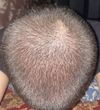
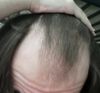
Men with early male pattern baldness (MPB) may have hormonal abnormalities similar to those in women with PCOS. Specific treatments mentioned include Minoxidil, Finasteride, and RU58841.
Balding scalps have more androgen receptors, leading to increased TGF-beta, which causes blood vessel loss and hair follicle miniaturization. Blocking androgen signaling and TGF-beta may help prevent hair loss.
An 18-year-old male is experiencing significant hair shedding, particularly from the back of his head, despite normal blood test results except for slightly low vitamin D. A dermatologist prescribed minoxidil for receding temples, but the cause of the shedding remains unclear.
A 24-year-old male has been using oral finasteride and minoxidil for 7 months with noticeable results but seeks advice for improving frontal hair density. A suggestion was made to add microneedling to enhance absorption and stimulate growth.
A 20-year-old male is unsure how to interpret his bloodwork results and whether he should take finasteride for hair loss. His bloodwork shows borderline high levels of albumin and testosterone, and high progesterone, but normal levels of other hormones.
Bicalutamide and spironolactone are being compared for their effectiveness and safety in treating female pattern hair loss. The conversation seeks advice on which is better to use.
The user is experiencing breast tenderness and lumps after three weeks on 0.5 mg oral finasteride, a common side effect. They also report mild brain fog and fatigue but are less concerned about these symptoms.
A 22-year-old male with high estrogen levels is considering finasteride for hair loss but is concerned about potential side effects due to his hormone levels and family history of diabetes. Users suggest consulting a doctor, possibly an endocrinologist, and considering lifestyle changes like diet and exercise to address visceral fat and insulin resistance before starting treatment.
The user is experiencing progressive hair thinning despite using finasteride and dutasteride. A biopsy confirmed male pattern baldness, and minoxidil was suggested as an additional treatment.
A user gained 10-12 kg after starting finasteride but found their estrogen levels to be within the normal range. They are concerned about potential gynecomastia but are reassured by their lab results.
Male pattern baldness and diffuse thinning can both be forms of androgenetic alopecia (AGA), and it's important to consult a doctor for proper diagnosis. Treatments like Minoxidil, Finasteride, and biotin are discussed, but their effectiveness varies, and side effects are a concern.
The conversation discusses various absurd theories about the causes of male pattern baldness, with some users suggesting treatments like oral dutasteride. It highlights misinformation and humorous myths, such as hair loss being linked to testosterone levels or masturbation.
A person considering finasteride for hair loss checked their hormone levels before starting treatment. They are concerned about the potential increase in estradiol and its effects, as well as the impact on their sex hormone-binding globulin (SHBG) and free testosterone levels.
The conversation discusses struggles with diffuse thinning and hair loss treatments, including the use of dutasteride, minoxidil, and finasteride, with limited success. The original poster regrets having a hair transplant at 21 due to weak donor hair and ongoing thinning.
An 18-year-old noticed hair thinning at 17, started finasteride 5 months ago, and saw shedding stop but no regrowth. They suspect male pattern baldness due to family history and are concerned about thinning on the back and sides, possibly due to inflammation.
The conversation discusses using Botox to treat male pattern baldness, suggesting it may promote hair growth by increasing scalp blood flow and oxygen, reducing dihydrotestosterone levels. The user wonders why this treatment is not widely discussed or if it has been discredited.
A user experienced a hard lump under their nipple and increased hair loss after four months of finasteride. They are concerned about the lump and plan to stop the treatment.
A 29-year-old male experienced significant hair density loss in 18 days despite using Finasteride and Minoxidil consistently for years. He suspects the change in brands or other factors like shedding or androgenetic alopecia might be responsible and is seeking advice.
A user is experiencing side effects like less hard erections and sensitive nipples while on finasteride, with bloodwork showing high prolactin levels. They are seeking suggestions to address the prolactin issue.
The conversation is about severe Vitamin D deficiency and its potential link to hair loss. The user is already using oral finasteride, topical finasteride, and topical minoxidil for aggressive hair loss.
The user is experiencing hair thinning and loss at the temples, likely due to androgenetic alopecia. Suggested treatments include finasteride and minoxidil to slow hair loss and promote regrowth, with buzzing hair short as a styling option.
The conversation is about hair loss treatments, specifically using finasteride, minoxidil, and biotin, with a focus on the effectiveness of Hims products. Users discuss the results, potential side effects, and the role of biotin in the treatment.
The conversation discusses hair thinning potentially linked to gut health issues and suggests biotin as a possible treatment. It also mentions that hair thinning could be due to male pattern baldness (MPB).
The user received hormone test results showing normal estradiol and testosterone levels, low SHBG, and normal free androgen index. They are considering starting finasteride but are concerned due to being slightly overweight.
Whey protein and BCAAs may increase testosterone levels, potentially accelerating hair loss, but opinions vary on their impact. Some users suggest monitoring diet and hair health, while others believe the effect is minimal compared to DHT's role in balding.
Creatine may increase DHT levels, potentially leading to hair loss, but whey protein and BCAAs are generally considered safe for hair. Finasteride can mitigate creatine's effects on hair loss.
The conversation discusses hair thinning and potential treatments, focusing on vitamin D supplements and their effects. Other suggestions include zinc, a high-protein diet, and coconut oil for hair health.
Cbum's hair transplant is criticized for looking unnatural and not blending well, with some suggesting better results were expected given his resources. Discussions also cover the effects of steroids and finasteride on hair loss and muscle growth.
Vitamin D deficiency might cause hair loss at the temples. The user has a vitamin D level of 9ng and is experiencing hair loss in that area, resembling a Norwood scale 1 (NW1) pattern.