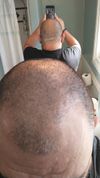
A 22-year-old is using 1mg finasteride daily for hair loss, noting some scalp thickening but still experiencing visible thinning. They are considering oral minoxidil due to concerns about topical application with cats at home, and others in the conversation share positive experiences with oral minoxidil, reporting no side effects and significant hair regrowth.
The user is frustrated with the lack of visible hair regrowth after 7-8 months of using finasteride and minoxidil, despite initial vellus hair growth. Others suggest patience, switching to oral minoxidil, or using additional treatments like dermastamping, microneedling, and red light therapy.
The conversation discusses using finasteride, dutasteride, RU58841, and testosterone to combat hair loss and block DHT, with some users expressing concerns about side effects and vegan options for medication. The discussion also touches on personal experiences with hormone treatments and the desire to maintain a youthful appearance.
Microneedling with minoxidil significantly boosts hair growth, even for non-responders to minoxidil alone. The routine includes a 1.5mm dermaroller weekly and minoxidil twice daily, with some users adding finasteride and tretinoin.
A 40-year-old shared their positive experience with a second hair transplant at HDC Cyprus, involving 4148 grafts and costing around 9,000 euros. They used oral minoxidil, Dutasteride, biotin, and vitamins to aid recovery and were pleased with the results.
A user experienced increased pimples and cysts after two years on dutasteride, possibly due to hormonal changes. Suggestions included seeing an endocrinologist, using supplements like boron and DIM, adjusting diet, and reducing body fat to manage side effects.
The conversation discusses hair loss treatments, recommending starting with finasteride and minoxidil, possibly adding dutasteride later. Users suggest using a combination of oral and topical treatments, micro-needling, and nizoral shampoo, while emphasizing realistic expectations and the need for lifelong commitment to treatment.
The user experienced significant hair regrowth using finasteride, minoxidil, and a 4,000-graft hair transplant performed by Dr. Nader in Reynosa, Mexico. The results were natural-looking, and the user plans a second transplant for additional density if needed.
A 24-year-old experiencing hair thinning is using minoxidil, finasteride, and nutrafol, and plans to add keto shampoo and a derma roller to their routine. They are considering shaving their head before a trip to Europe and are advised to continue treatment, improve lifestyle habits, and possibly increase finasteride dosage for better results.
Long-term use of dutasteride may impair semen volume and sperm motility, but these effects are often reversible after stopping the drug. Individual reactions vary, and more research is needed to understand the long-term impact on fertility.
The conversation discusses concerns about body dysmorphia related to hair loss, with some users expressing frustration over posts claiming treatments like finasteride and dutasteride are ineffective or harmful despite minimal hair loss. It emphasizes the importance of early treatment with medications like finasteride and minoxidil for those experiencing hair loss.
A 20-year-old male experienced significant hair shedding for nearly 10 months, despite using finasteride, oral minoxidil, and ketoconazole, and is concerned about chronic telogen effluvium. He has been supplementing with vitamins and minerals but remains unsure of the cause.
Hair loss can be managed by acting early, using treatments like Minoxidil, finasteride, and possibly dutasteride, along with lifestyle changes such as using sulfate-free shampoos and eating protein-rich foods. Consulting a dermatologist and considering microneedling, vitamins, and anti-fungal shampoos are also recommended.
Despite using Dutasteride, RU58841, and Minoxidil, hair loss continues due to low testosterone levels from taking 15mg of testosterone weekly, which may not produce enough estrogen. Increasing testosterone dosage and stabilizing hormone levels might help address the issue.
The user is happy with hair regrowth after 5 months using topical minoxidil twice daily, oral finasteride once daily, derma stamping weekly, and Watermans shampoo. They noticed darker hair and stopped using creatine, suspecting it worsened hair loss.
The conversation discusses various hair loss treatments, including minoxidil, finasteride, dutasteride, RU58841, microneedling, ketoconazole shampoo, and laser therapy. Users emphasize the importance of consistency, patience, and individual response to treatments.
The user experienced significant hair thickening after using oral minoxidil and dutasteride, with no negative side effects, only increased libido and strength. Dutasteride was used after initial minoxidil treatment, leading to noticeable improvements in hair density.
The conversation discusses hair loss treatments, specifically using topical finasteride and minoxidil combined with microneedling, along with supplements like collagen, vitamin C/D, and saw palmetto. The user also mentions using a DHT-blocking shampoo and experimenting with cold showers and contrast therapy for hair health.
The user reported noticeable hair improvement over four months using 1 mg of finasteride and weekly microneedling. Progress photos from October 2024 to January 2025 show positive changes.
Dutasteride has a larger volume of distribution than finasteride due to its lipophilic nature, allowing it to concentrate in hydrophobic areas and making it difficult to excrete. A user experiencing hair loss has been using oral finasteride for 10 months with minimal regrowth and is considering switching to dutasteride or adding oral minoxidil.
Existing hair loss treatments like oral finasteride, topical minoxidil, and hair transplants are still the main options, with some improvements in affordability and techniques. There is hope for enhancing these treatments, but new effective solutions are unlikely in the near future.
Dutasteride and oral minoxidil significantly improved hair appearance, with noticeable changes in color and texture. The user experienced minimal side effects and attributes most progress to dutasteride.
The user is experiencing significant hair loss and has been using 5% minoxidil for 11 months, finasteride for nearly 6 months, and gel tretinoin for 4 months, with inconsistent use of ketoconazole shampoo. Despite these treatments, they are losing 200-250 hairs daily and are concerned about the lack of stabilization and potential continuous hair loss.
The user has been using topical minoxidil for 5 months and oral finasteride for 3 months, reporting positive results without side effects. They apply minoxidil twice daily and take 1 mg of finasteride daily.
Hair loss treatments like finasteride and minoxidil need time to work, often taking months. Patience and realistic expectations are crucial for success.
Oral minoxidil can boost hair growth but may cause side effects like heart palpitations and increased body hair. Many prefer topical minoxidil due to fewer side effects.
Oral biotin combined with topical minoxidil may increase hair growth rate, though the study was limited to healthy subjects and did not measure hair density. Some users report personal benefits from biotin, such as faster nail growth and healthier hair, but concerns about acne and study quality were also mentioned.
A user shared their journey from balding to using a hair system, expressing satisfaction with the results despite the costs. They mentioned trying finasteride but stopped due to side effects, and now enjoy increased attention from women with the hair system.
Finasteride and dutasteride are essential for stopping hair loss, while natural remedies are ineffective. Minoxidil can be added if needed, but blocking DHT is crucial.