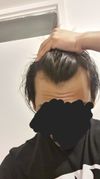
A user experienced severe scalp itching with MPB and found Nizoral ineffective. A doctor diagnosed seborrheic eczema and prescribed Betacap, which relieved the itching.
A 27-year-old man shared his hormonal panel results after one year of taking finasteride 1mg/day for hair loss, showing his DHT levels nearly doubled. He reported stabilized hair loss with mild side effects that resolved, and he is considering a hair transplant but is concerned about the increased DHT levels and potential treatment options.
Current treatments like finasteride, minoxidil, and derma rolling are considered the best for hair loss, while new treatments such as GT20029, PP405, and others are in various trial phases with results expected in the coming years. There is cautious optimism about the affordability and effectiveness of these upcoming treatments.
The conversation is about the anticipation and uncertainty regarding the release of GT20029 Phase 2 results for hair loss treatment. Users express hope for its effectiveness and minimal side effects compared to other treatments like Pyri and HMI115.
The user has been taking 1mg finasteride daily for a year with no improvement in hair loss and reports low cortisol levels, sleep issues, and anxiety changes. The conversation includes discussions on the potential effects of finasteride on cortisol and neurosteroids, with suggestions to consult a doctor and consider other factors.
The conclusion of the conversation is that the user, djamezz, has experienced significant regrowth and improved density in their hairline by using treatments such as RU (RU58841), dut (dutasteride), and Inkey's Caffeine Scalp treatment. They are satisfied with their progress and do not plan to cut off their hair.
Eucapil/fluridil is discussed as a potential treatment for hair loss, with questions about its effectiveness and why it isn't a primary treatment. Minoxidil, finasteride, and RU58841 are also mentioned as treatments.
The conversation is about individuals considering waiting for Breezula to treat hair loss instead of using Finasteride due to concerns about side effects. Some are opting for Finasteride now, while others are wary of its impact on neurosteroids.
A new brand is seeking 10 U.S.-based individuals aged 25+ experiencing hair loss to test a topical product containing GHK-Cu and Acetyl Tetrapeptide-3. Participants must not be using other treatments like finasteride or minoxidil and will provide feedback and photos.
The conversation is about someone seeking information on long-term users of CB-03-01 for hair loss, having experienced negative side effects from finasteride and facing rapid hair thinning.
The conversation discusses concerns about body dysmorphia related to hair loss, with some users expressing frustration over posts claiming treatments like finasteride and dutasteride are ineffective or harmful despite minimal hair loss. It emphasizes the importance of early treatment with medications like finasteride and minoxidil for those experiencing hair loss.
The conversation revolves around how balding has made the original poster and others hyper-aware of other men's hairlines, often judging the severity of their hair loss and whether they've had treatments like hair transplants, minoxidil, or finasteride. Some participants express a need for therapy due to their obsession, while others joke about their newfound "expertise" in assessing hair loss.
The GT20029 tincture, a topical androgen receptor degrader, showed significant hair growth and good safety in a China Phase II trial for male androgenetic alopecia (AGA), with the 1% dose twice weekly identified as optimal. The company plans to initiate Phase III trials in China and Phase II in the U.S., and the treatment also shows promise for acne.
PP405 is seen as promising but uncertain, with users advised to continue using existing treatments like minoxidil and finasteride. Concerns include its cost, availability, and interaction with hair transplants, while some hope it could complement current treatments.
The user is considering stopping dutasteride and minoxidil due to side effects like low mood and depression after three weeks of use. They are concerned about hair shedding and are contemplating switching to just minoxidil to see if it helps without affecting mental health.
The conversation discusses the progress of Clascoterone (Breezula) for hair loss treatment, noting that COVID-19 delayed female trials by three months but Phase III trials for males are proceeding with a Special Protocol Assessment filed with the FDA. Users express hope for Breezula as an alternative to existing treatments like finasteride and minoxidil, despite concerns about its potential high cost.
A user shared their positive experience with a hair transplant at Smile Hair Clinic, using treatments like oral finasteride, minoxidil, and dutasteride. They reported no side effects, significant improvement in hair density, and satisfaction with the results.
A participant using Veradermics VDPHL01, an extended-release oral minoxidil, experienced significant hair regrowth from Norwood 6 to Norwood 3V without side effects. They plan to use dutasteride after the treatment to maintain results.
Sons offers free Biotin capsules, Thickening Clay, or Conditioner to UK men for hair care testing. Interested individuals can apply online to receive these products.
Some people have side effects from finasteride and dutasteride due to hormonal predisposition, especially if DHT dominant. Alternatives like RU58841, Pyrilutamide, and Breezula are suggested to target scalp androgen receptors without altering overall hormones.
The hair transplant at Eugenix in New Delhi resulted in poor density and texture, with only about 2,500 grafts surviving out of 4,500. The user is considering holding the clinic accountable and exploring options like shaving, using hair fibers, or seeking another transplant.
Kintor apologized for using misleading images in their advertisements and promised stricter review processes. They are also considering developing a topical dutasteride formulation.
Comparing the effectiveness of RU58841, Pyrilutamide and CB-03-01 as treatments for hair loss, with people discussing different aspects such as binding affinity, time of inhibition, safety data and cost.
Hair loss discussion includes finasteride intolerance and questioning if Pyrilutamide is an alternative. Pyrilutamide not commercially available, but may be tolerable if approved since it's not a 5aR inhibitor.
Taking dutasteride daily with finasteride is more effective in reducing hair loss and itching than taking dutasteride four times a week. The combination reduces shedding and anxiety.
The individual is struggling with hair loss and depression, having tried treatments like Finasteride, Dutasteride, and Minoxidil, but faced side effects and limited success. They are considering a hair transplant and other options while dealing with personal challenges, including knee injuries and weight issues, and are encouraged by others to focus on self-improvement and acceptance.
A 21-year-old male diagnosed with telogen effluvium and male pattern baldness started taking finasteride, which initially slowed hair shedding and slightly thickened hair. The doctor recommended iron and vitamin D supplements, and the user is considering minoxidil but wants to stabilize shedding first.
The conclusion of the conversation is that some individuals may experience a condition called reactionary hypergonadism when taking dutasteride for hair loss. This condition can lead to an increase in testosterone levels, which may worsen hair loss instead of improving it.
The user is experiencing heavy hair shedding and a receding frontal area despite using finasteride and minoxidil. They are considering switching to dutasteride for better results.