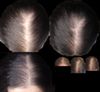
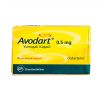
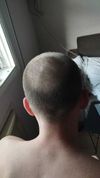
A woman experiencing hormonal hair loss is on dutasteride and bicalutamide, which initially improved her hair, but she is now experiencing a second shedding phase with significant short hair loss. Despite normal hormone levels and no deficiencies, she is unsure if this shedding is normal and seeks advice.
Hair loss discussion focused on 2% Fluridil's peak efficacy at 3 months and 7% Fluridil group buy results, including shedding decrease, side effects, and regrowth.
The user is concerned about the quick prescription process for hair loss treatments like Minoxidil and Finasteride through HIMs, questioning the lack of a thorough evaluation. Another user reassures that such practices are common, emphasizing the effectiveness and low risk of these treatments, and suggests monitoring personal response to the medication.
A 30-year-old female with PCOS and male pattern baldness is frustrated with her endocrinologist's recommendation of only Spironolactone and minoxidil, feeling that dutasteride, finasteride, and progesterone would be more effective. Other users suggest various online sources for treatments, warn against self-medicating due to potential risks, and recommend seeking a specialized endocrinologist or considering additional treatments like Inositol, Berberine, and dermaneedling.
Dutasteride raises scalp testosterone by 99%, which may not be ideal for those sensitive to all androgens. Some argue finasteride's balancing act might be better, while others believe dutasteride is superior for hair regrowth.
A user is advocating for Phase 3 trials of the hair loss treatment PP405 to be conducted in Germany, citing benefits like a diverse patient base and faster access for European patients. Despite skepticism about the petition's influence, the user believes it can demonstrate significant interest and potentially influence strategic decisions.
The conversation discusses concerns about using a high concentration of 1% topical finasteride for hairline balding, with some users suggesting starting with a lower dose. It also mentions the use of GHK-CU peptide and the importance of considering the formulation to avoid excessive absorption.
GHK-Cu is a potent inhibitor of the type 1 5-alpha reductase enzyme in hair follicles, which may reduce hair loss without the side effects associated with type 2 5-alpha reductase inhibitors. The user previously experienced side effects with 5-alpha reductase inhibitors and is considering GHK-Cu as an alternative.
The conversation is about the anticipated release date of phase II results for a hair loss treatment called GT20029 and the cautious optimism surrounding it due to past disappointments with similar treatments. Users expect an update in the next few months.
The conversation discusses starting finasteride 1mg daily for hair loss and mentions a high baseline DHT level. Users comment on the unusually high DHT level and its potential causes.
The conversation is about considering pyrilutamide 1% as an alternative treatment for hair loss due to intolerance to 5-alpha reductase inhibitors. Some users suggest it might be effective, while others view it as a temporary solution.
Hair loss discussion includes treatments Minoxidil, Finasteride, and RU58841. Prolactin's role in immune system's antitumor activity raises safety concerns for HMI-115.
Hair loss discussion mentions HMI-115 efficacy in 3 months after Phase II study. Users discuss treatment effectiveness and mention massive regrowth in previously bald areas.
The user experienced hair loss despite using Fin and Min for 12 years and switched to Dutasteride, RU58841, and Keto scalp serum, but shedding and itch persist. They are considering increasing Dutasteride to 2.5mg and questioning the necessity of a scalp biopsy, with mixed opinions on its usefulness.
The FDA will now require only one clinical trial for drug approval, potentially speeding up the release of hair loss treatments like PP405. Pelage is expected to present full results of PP405 Phase 2a trials and move to Phase III in mid-2026.
Hair loss discussion includes alfatradiol (Pantostin/Ell Cranell) as a potential treatment. Users share opinions on its effectiveness in their regimen.
The user is likely at Norwood level 3 with thinning at the crown and temple recession. Treatments like finasteride or minoxidil are suggested to manage hair loss.
New hair loss treatments PP405 and VDPHL01 are discussed with skepticism and hope, alongside existing treatments like minoxidil and finasteride. Users express frustration over limited progress since the 1980s but remain cautiously optimistic.
A 25-year-old male with seborrheic dermatitis and hair thinning seeks advice on the severity of his condition and treatment options. Oral finasteride and oral minoxidil are recommended as the most effective long-term treatments.
Rating treatments for hair loss, with the help of GPT-4, according to efficacy, evidence and tolerability; a combination of chemicals from research papers, custom compounds, and some suggestions from other users were included.
The conversation is about which blood tests are essential to check before starting hair loss treatment with finasteride or dutasteride. The tests mentioned include DHT, PSA, Estrogen/Estradiol, Testosterone, FSH, and LH.
The user is considering starting dutasteride (DUT) 0.5mg for hair loss due to lack of access to finasteride and is concerned about potential side effects. They seek guidance on whether to begin this treatment.
A user who was part of an ongoing trial for a prolactin blocker and had regrowth, but the progress photos were not shared due to negative reactions from other users. Treatments mentioned include HMI-115, Minoxidil, Finasteride, and RU58841.
The individual is considering starting hair loss treatment with dutasteride, prescribed by a dermatologist, due to concerns about finasteride side effects. They are also interested in the potential benefits of reducing DHT and are contemplating whether to maintain a shaved head or pursue treatment.
The user has been using finasteride and minoxidil for 5 years to prevent hair loss and is considering adding dutasteride for regrowth or opting for a hair transplant. Suggestions include trying dutasteride, oral minoxidil, microneedling, and possibly a hair transplant for better results.
The conversation discusses why CB-03-01, a potential hair loss treatment, isn't widely discussed despite evidence of its effectiveness and safety. Some users mention other treatments like melatonin, procianidin b2, and RU58841, debating their effectiveness and safety.