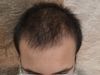
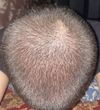
CB 03 01 (Breezula) was tried for hair loss but showed no significant improvement, with issues in dissolving and application. Finasteride and dutasteride remain the most effective treatments, while minoxidil is also used; CB's effectiveness is questioned, and topical alternatives like bicalutamide are considered.
The user experienced sexual side effects after starting finasteride and later switched to dutasteride, noticing hormonal changes. They are considering using P5P and possibly aromatase inhibitors to manage high prolactin and estradiol levels.
A 22-year-old underwent a hair transplant in Bangkok, using 2,500 grafts, and has been using dutasteride and minoxidil to stabilize hair loss. The user chose the procedure to enjoy youthful confidence, despite some opinions that it's too early for a transplant.
The user experienced hair improvement using a topical finasteride, minoxidil, and tretinoin combo, along with supplements like zinc, copper, magnesium, vitamin D3, K2, iodine, and boron. They believe these changes are due to addressing mineral deficiencies and possibly thyroid issues, despite skepticism from others.
The conversation discusses the potential market release of a hair loss treatment called GT20029 by Anageninc, with users expressing interest and discussing the importance of safety and effectiveness. Some users plan to contact Anageninc to show demand for the product.
Finasteride was intentionally developed to treat BPH and later approved for male pattern baldness (MPB) due to its 5AR inhibition effects. The delay in MPB approval was due to concerns about off-label use for female hirsutism and the prioritization of treating a more debilitating condition.
A user shared their experience with hair loss and a hair transplant at the Scandinavian Hair Institute, using finasteride every other day as part of their regimen. They expressed satisfaction with the transplant results and decided against using minoxidil due to its inconvenience and potential side effects.
Hair loss treatments discussed include Minoxidil, Finasteride, and RU58841. Anageninc stopped selling KX-826 (Pyrilutamide) due to a cease and desist letter from Kintor, but this may indicate promising study results and a potential 2024 release.
A 28-year-old woman with genetic hair loss has tried various treatments, including oral minoxidil, finasteride, dutasteride, vitamins, ketoconazole shampoo, exosome needling, and hair extensions. She plans to pause treatments for pregnancy and is concerned about potential hair loss during that time.
The conversation discusses an extensive hair loss treatment regimen including dutasteride, GT20029, RU58841, pyrilutamide, minoxidil, microneedling, ketoconazole shampoo, and experimental compounds. The user humorously describes their approach as a comprehensive strategy to combat hair loss while maintaining hair growth.
A 22-year-old who had a hair transplant and is on medication has nice hair, which was complimented by their grandmother. Another person is 8 months post-transplant and taking dutasteride, oral minoxidil, and biotin but hasn't seen results yet.
The user is using minoxidil, finasteride, dermarolling, and other treatments for hair regrowth, showing promising results in the temple area. Despite some skepticism, there is optimism about potential improvement.
The conversation humorously discusses hair loss, focusing on the envy of an older man, Massimo Cacciari, who has a full head of hair. Treatments mentioned include finasteride, minoxidil, RU58841, and hair transplants, with some users expressing dissatisfaction with baldness and considering various solutions.
New potential hair loss treatment uses molecules from hairy moles to stimulate follicle growth. Topical solution requires less frequent application, like Botox injections a few times per year.
Pyrilutamide, a nonsteroidal antiandrogen drug under development for the potential treatment of androgenic alopecia. The conversation discusses its binding affinity to the androgen receptor and the timeline for possible availability after trials are completed in the United States and China.
Dutasteride is associated with increased blood glucose, HbA1c, LDL cholesterol, and liver enzyme activity, potentially leading to diabetes, NAFLD, and liver metabolism changes. The conversation highlights concerns about these adverse effects and calls for more studies, including on finasteride.
A user is experiencing accelerated hair loss and is struggling to maintain their mohawk. They are seeking alternatives to Minoxidil and Finasteride, considering a hair transplant, and looking for a doctor in Berlin who can prescribe Finasteride.
A user shared their successful hair loss and gray hair reversal routine, which includes Minoxidil, Cetirizine HCl, Latanoprost, Dutasteride, Melatonin, Caffeine, Tretinoin, Vitamin D3, and Vitamin E. They also use a red light cap, oral Minoxidil, and are developing new treatments.
The conversation discusses whether gt20029 could cure complete baldness, mentioning verteporfin as a realistic treatment. Other treatments like Minoxidil, finasteride, and RU58841 are implied to be less promising.
The user began experiencing hair loss at 14 and is now starting treatment at 18 with a topical solution of 10% minoxidil-finasteride and ketoconazole shampoo. Oral finasteride was not recommended due to potential effects on growth, and microneedling will be considered after four months.
A 17-year-old is addressing hair loss with finasteride, topical minoxidil, and microneedling. They are considering adding GHK-Cu to their regimen, but others advise caution with finasteride due to age.
An 18-year-old noticed hair thinning at 17, started finasteride 5 months ago, and saw shedding stop but no regrowth. They suspect male pattern baldness due to family history and are concerned about thinning on the back and sides, possibly due to inflammation.
Hair loss is linked to cellular physiology and the IGF-1 to TGF-B1 ratio, not just androgen sensitivity. The theory lacks evidence, while finasteride and minoxidil are effective treatments.
A 22-year-old male uses dutasteride, a serum with 10% minoxidil and 0.5% finasteride, and microneedling for diffuse androgenetic alopecia. Progress pictures show changes from July 2025 to February 2026.
A 26-year-old has seen hair regrowth in 4.5 months using oral finasteride, topical minoxidil, and recently RU58841 on the temples. Suggestions include adding weekly microneedling to improve results.
The post discusses the completion of the HMI-115 Australian Phase 1 Trial for hair loss treatment. The user speculates about the potential early release of the trial results.
The user shared progress on hair loss treatment using Nanoxidil, which initially caused scalp irritation. They are pleased with their progress since starting the treatment in March.
Hair loss affects confidence, with discussions on treatments like finasteride, minoxidil, and RU58841. Emphasis is placed on self-acceptance and building confidence beyond appearance.
The conversation discusses various hair loss treatments, including Breezula, KX826, and PP405, with mixed opinions on their effectiveness compared to finasteride and minoxidil. Some users express skepticism about the new treatments, while others remain hopeful about future developments.