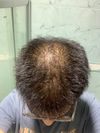
User shared 1-year progress using finasteride 1mg and minoxidil, regaining hair density. Others praised the improvement and asked about side effects and additional treatments.
The conversation discusses experiences with topical dutasteride for hair loss, comparing formulations from FUEClinic, MinoxidilMax, and Strut. Users share their results and side effects, with some preferring topical over oral treatments to minimize systemic absorption.
A user's 6 month progress using finasteride and minoxidil as treatments for hair loss, with the replies discussing side effects and general consensus about usage of the two medications.
The efficacy of various hair loss treatments, including Finasteride and Dutasteride, with personal anecdotal evidence about potential side effects. It also includes advice to get a male hormone blood panel done before starting treatment, and lifestyle changes to minimize side effects.
The conversation emphasizes the importance of starting hair loss treatment early, using options like minoxidil, finasteride, RU58841, essential oils, and dermarolling, and encourages leaving the hair loss subreddit once treatment begins to avoid stress and obsession. Users shared personal success with finasteride and the motivation to start treatment to prevent future regret.
A 27-year-old male experiencing hair loss at Norwood 3 level has tried minoxidil and finasteride but stopped finasteride due to side effects. He is exploring alternatives like Dermapen, Regenepure DR Shampoo, saw palmetto, and considering aromatase inhibitors for managing side effects, while also seeking advice on DHT blockers.
The conversation discusses using ecklonia cava as a natural alternative to finasteride for hair loss. Users share their experiences and opinions on its effectiveness.
The conversation discusses the idea that ejaculation and oxytocin might cause hair loss. It mentions treatments like Minoxidil, finasteride, and RU58841.
The user shared a 9-month hair loss treatment routine that includes using Minoxidil, Finasteride, Argan Oil conditioner, Regenpure DR shampoo, fish oil, and a multi-vitamin, while also avoiding sun exposure and maintaining a healthy lifestyle. They reported successful results and provided a link to their progress pictures.
A user's experience with hair loss treatments, including finasteride and other options such as RU58841, Nizoral, Pumpkin Seed, and Adenosine; the importance of being in a positive frame of mind when considering taking finasteride; and the need to address life issues before starting finasteride.
User discusses using finasteride, ketoconazole, fish oil, nettle root, saw palmetto, emu oil, and plans to start minoxidil for hair loss. They report maintaining hair with minor side effects like slightly lower libido and watery semen.
A user reports persistent sexual side effects three months after stopping finasteride, despite a healthy lifestyle and supplements. They express concern over the lack of libido and infrequent erections.
Red light therapy for hair loss is controversial, with mixed results reported. Its effectiveness may depend on device quality and proper wavelength, and it is often used with minoxidil and finasteride.
The user has been using finasteride 1mg and minoxidil 5% spray for 19 months but continues to experience hair shedding and has not seen improvement with ketoconazole or tretinoin. They are considering a hair transplant in the future while maintaining current treatments.
The user is experiencing hair loss likely due to anemia and nutrient deficiency, and is considering using Minoxidil or non-drug treatments like coffee rinses while improving their diet and taking supplements. They are unsure if Minoxidil will be effective for this type of hair loss and are concerned about potential side effects.
A user shared their 3-month progress using Minoxidil 5% Topical and dermarolling for androgenic alopecia, with plans to start finasteride. Other users commented on the impressive results and shared their own experiences with hair loss treatments.
Hair cloning is humorously discussed as always being 5-7 years away, with skepticism about its near-term availability. Gene editing to reactivate dormant follicles is suggested as a more likely solution within the next ten years.
A user humorously discusses wanting to transplant all their hair into one dense circle on their scalp, leaving the rest of their head bald. Replies include a joke about performing the procedure and a story about someone using their hair to fight crime.
Hair loss approaches: 1) using treatments like Minoxidil, Finasteride, RU58841, vitamins, and transplants, or 2) accepting hair loss, trying minimal treatments, and shaving head. Users share experiences and preferences between options.
The user has been using finasteride and oral minoxidil for hair loss, but experienced increased hair loss after using testosterone steroids without post-cycle therapy. They are considering switching to dutasteride and have added ketoconazole shampoo to their routine, but are concerned about side effects and the ongoing hair loss.
The user is considering adjusting their hair loss treatment by adding 1-2 weekly doses of Dutasteride to their current daily regimen of Minoxidil and Finasteride, aiming to gradually increase effectiveness while minimizing drug use. They seek experiences from others who have tried similar combination therapies.
A 42-year-old with a Norwood 2 hairline is using topical minoxidil and finasteride with tretinoin to address hair loss, having previously experienced side effects from oral finasteride and dutasteride. Suggestions include continuing current treatments, considering microneedling, and being patient for results.
The conversation discusses concerns about potential cognitive and emotional effects of finasteride, with the original poster planning to monitor their cognitive performance while using the treatment. A user responds that most people do not experience cognitive shifts, though some report subtle changes.
The conversation is about a user's progress in treating hair loss using 1 mg finasteride and 2.5 mg minoxidil, showing significant improvement over three years despite initial setbacks. Users discuss side effects, with some expressing concerns about finasteride, but others report positive experiences and encourage its use.
Breezula, a topical treatment, is anticipated to be available in the US by mid-2027 as a potential alternative to finasteride with fewer systemic side effects. There is ongoing debate about its effectiveness and some users report similar side effects to finasteride.
Minoxidil is extremely toxic to cats, even from residue on surfaces, and can be deadly if they come into contact with it. Switching to oral minoxidil is suggested as a safer alternative for pet owners.
DHT promotes beard growth but causes scalp hair loss due to inflammation and fibrosis. Treatments like finasteride and minoxidil help with hormonal signals and blood flow but don't address underlying inflammation.