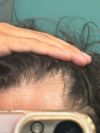
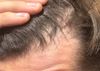
User shared progress pictures after one month of using finasteride, dutasteride, minoxidil, RU58841, dermarolling, and vitamins for hair loss. They reported positive results.
The user emphasizes hydration, androgen receptors, and a 7-day ejaculation recovery period for appearance enhancement. They suggest Minoxidil, finasteride, and RU58841 for hair loss, along with a diet rich in animal fats, specific exercises, and fasting.
User Arrosis shared their 1-week experience using Pyrilutamide for hair loss, noticing reduced shedding and increased libido but also experiencing headaches, dizziness, and nipple sensitivity. They plan to try a lower frequency to see if it helps with side effects.
After nearly four months on finasteride, a user noticed improved hair quality but developed nipple puffiness, suggesting early signs of gynecomastia. They considered switching to other treatments like CB-03-01 or RU58841 and contemplated consulting an endocrinologist about aromatase inhibitors.
The post and conversation are about a user's 3-month progress using Minoxidil, Finasteride, Nizoral shampoo, and derma-rolling for hair loss. The user reports noticeable improvement in their hairline.
Red light therapy with dual wavelengths (650nm and 850nm) can stimulate hair regrowth without DHT blockers. Consistent use of a panel with these wavelengths has shown positive results in hair regrowth.
The user is considering switching from oral to topical dutasteride and minoxidil due to concerns about mental health effects from lower DHT levels. They are seeking advice on the effectiveness and side effects of this change, including potential hair shedding and density changes.
A user stopped taking finasteride due to mental health concerns but is considering restarting it to address worsening hair loss, despite fears of potential psychological side effects. They continued using minoxidil but are unsure if their fear of finasteride's effects is justified.
A 26-year-old is experiencing hair thinning and has received conflicting diagnoses of androgenetic alopecia and telogen effluvium. They are considering treatments like dutasteride, oral and topical minoxidil, and are unsure whether to start treatment or pursue further diagnosis like a scalp biopsy.
A 30-year-old with Norwood 3V hair loss uses finasteride 1.25 mg every other day and Minoxidil (Regaine 5%) twice daily, experiencing no side effects with the current regimen. The front hairline remains unchanged, but the crown appears better in certain lighting.
The user is experiencing negative side effects from a hair loss treatment containing finasteride and minoxidil due to high vitamin B6 content and plans to switch to separate pills without unnecessary vitamins. Another user suggests using a version without B6, noting similar symptoms from finasteride.
The user discusses their hair regrowth success with minoxidil, red light therapy, massage, and derma stamping but expresses concerns about using finasteride due to potential side effects. They are interested in using clascoterone as a topical treatment for hair loss and are exploring the possibility of creating a topical formula from raw clascoterone powder.
The user is cautiously optimistic about their hair regrowth after 6 months of using minoxidil, finasteride, tazarotene, microneedling, ketoconazole shampoo, and rosemary oil. They report healthier hair and new growth, with side effects from minoxidil subsiding over time.
Creatine is humorously blamed for hair loss, with users sharing exaggerated and satirical experiences. Some users report no hair loss with creatine, while others mention using treatments like minoxidil and finasteride to manage hair loss.
Dutasteride is more effective than finasteride for hair loss, with optimal dosing at 0.5mg once or twice a week to minimize side effects. Topical application may further reduce side effects while effectively lowering scalp DHT.
Switching from dutasteride to finasteride caused increased hair loss, dandruff, depression, and erectile dysfunction. The user plans to return to dutasteride, possibly with minoxidil, and is considering dosing strategies to manage side effects and regrowth.
A user is experiencing uneven hair thinning and has tried topical minoxidil without success and finasteride with adverse effects. They are considering microneedling and PRP treatments while avoiding finasteride, and another user suggests trying dutasteride as an alternative.
Finasteride can regrow hair but may cause depression and suicidal thoughts in some users. The connection between finasteride and mental health issues is debated, with some attributing it to pre-existing conditions or stress.
A 34-year-old man with diffuse hair loss experienced regrowth and hair thickening using daily Dutasteride, oral and topical Minoxidil, a specialized shampoo, and microneedling. He switched from Finasteride to Dutasteride after seeing significant improvement in a peer, reporting no side effects.
A user experienced hair loss and texture changes, tried minoxidil and finasteride, and considered antihistamines like Cetirizine for potential histamine issues. They reported improved alertness but continued shedding.
A 20-year-old is using 5% minoxidil and 0.1% dutasteride foam, along with oral 2.5 mg minoxidil, Forcapil, vitamin D3, and Alpecin shampoo for hair loss, noticing new hair growth and improved hair density. They previously tried finasteride but stopped due to side effects.
The conversation discusses regret over delaying hair loss treatment, specifically with finasteride, and the emotional impact of hair loss. The user eventually stabilized their hair using oral finasteride after trying other treatments like topical finasteride, Fluridil, and Alfatradiol, and is considering future options like a hair transplant.
A 23-year-old shared progress pictures after five months on Finasteride, starting with 0.25mg and increasing to 1mg, reporting no side effects and noticeable hair improvement. The user is satisfied with the results and plans to continue the treatment, while others in the conversation discuss dosage, side effects, and alternative treatments.
Creatine is unlikely to worsen hair loss for those on finasteride, with no strong scientific evidence linking it to increased hair loss. Many users report no negative effects on hair while using creatine.
Topical finasteride is considered safer for the liver than oral finasteride due to less systemic absorption, but regular liver function tests are advised. The user is concerned about liver health due to a history of NAFLD and is exploring topical finasteride as a safer alternative.
Finasteride and dutasteride are still available in the EU, with a warning about potential suicidal thoughts. The benefits of these treatments are deemed greater than the risks.
The user is using a routine involving microneedling, Minoxidil with tretinoin, a red light cap, scalp massages, Nizoral shampoo, and essence oil shampoo to address hair loss, with visible progress noted. They are considering topical finasteride or dutasteride if progress slows but are cautious due to past side effects.
A 24-year-old is experiencing hair loss and is considering microneedling due to side effects from finasteride and saw palmetto. They are contemplating combining microneedling with a 3-in-1 treatment to manage hair loss until age 30.
The user plans to start oral finasteride and oral minoxidil for hair loss, despite previous side effects from finasteride. They intend to take both on a Monday, Wednesday, Friday schedule and are seeking advice on any additional considerations.