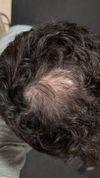
User regrew lost hair using microneedling, minoxidil, finasteride, Nizoral, fish oil, and collagen peptide. Progress was slow but constant, and patience was important.
After suffering from hair loss and trying various treatments like finasteride, minoxidil, RU58841, and scalp micropigmentation without lasting success, the individual found freedom and a renewed sense of self by shaving their head and accepting their baldness. They encourage others struggling with hair loss to not waste years searching for a cure and to consider embracing a shaved head as a positive solution.
A user shared progress pictures 7.5 months after a hair transplant of 6350 grafts in Turkey, using 6% minoxidil and 0.05% finasteride. They are satisfied with the results but note some thin areas.
/82 sokak no:3, Bornova, İzmir Province
This conversation is about a user's progress after hair transplant surgery and the treatments they used to maintain it. They had a transplant of 3000 grafts in April 2022, taking finasteride 1mg daily and minoxidil twice daily foam, as well as using Nizoral shampoo and Hair Growth Shampoo from Watermans once a week. The results have been positive with good hair health improvement.
The conversation is about a user considering a hair transplant with BlueMagic Group and seeking real experiences and advice. Users suggest verifying who performs the surgery, looking for long-term results, and ensuring thorough communication before proceeding.
The post discusses an individual's 11-month hair restoration journey using oral finasteride, topical minoxidil and finasteride, micro-needling, biotin tablets, and ketoconazole shampoo. Despite mixed reactions and skepticism from others, the individual expresses gratitude for support and claims progress in hair growth.
A user shared their positive experience with a hair transplant in Turkey using the DHI and Sapphire FUE techniques, without taking finasteride or minoxidil post-surgery. They emphasized that transplanted hairs from the donor area are resistant to hair loss, but acknowledged that native hairs might still thin without medication.
The user experienced good crown progress in 3 months using finasteride, collagen, vitamins B, C, D, zinc, and dermarolling. They are pleased with the results after a hair transplant on the front and mid scalp.
The user has been using Minoxidil, finasteride, and a dermaroller for a year with little effect on hair loss. They are considering a hair transplant and are questioning the number of grafts needed and the feasibility of transplanting onto a partially bald scalp.
The conversation is about finding reviews for a surgeon specializing in FUE hair transplant surgery. The user seeks assurance of the surgeon's quality work.
Joel McHale had four hair transplants and likely uses finasteride to maintain his hair. The discussion included personal experiences and side effects of hair loss treatments.
A user shared a 17-month update on their hair loss treatment, which included a hair transplant of 2300 grafts, using a topical solution of minoxidil and finasteride, a laser cap, and ketoconazole shampoo. They are considering another transplant and seeking honest feedback on their progress, while others share their own experiences and advice on hair loss treatments.
The user experienced significant hair regrowth using topical minoxidil but faced issues with gynecomastia when using oral minoxidil and finasteride. They plan to have surgery for gynecomastia and consider using finasteride again, while questioning if minoxidil alone can maintain hair growth.
Microneedling may risk scarring, potentially complicating future hair transplants. Alternatives like tretinoin with minoxidil are suggested for better hair growth.
The user has experienced hair regrowth using finasteride, minoxidil, dermarolling, and nizoral shampoo, but is considering a hair transplant due to advanced hair loss. Others suggest checking the donor area and considering a reputable surgeon for a potential transplant.
The conclusion of this conversation is that the user, NickkSpirit, had a successful hair transplant with 1500 grafts. They recommend leading a healthy lifestyle and mention using finasteride and minoxidil as treatments for hair loss.
The conversation discusses a transgender individual's successful hair loss treatment over 1.5 years using 2.5mg oral minoxidil, 5mg finasteride, and 8mg weekly injectable estradiol valerate. Some users debate the appropriateness of this approach within the group's goals, while others support the individualized treatment and its additional benefits for transgender individuals.
A 23-year-old male had a hair transplant with 3500 grafts and is using finasteride, minoxidil, hair vitamins, and a keto shampoo. He seeks advice on crown regrowth and when to start dermastamping.
The user experienced hair loss after a hair transplant and stopped using finasteride and minoxidil temporarily, as advised by their medical team. They resumed the treatments and are hopeful for regrowth, attributing the current hair loss to shock loss and shedding.
The conversation discusses hair transplant experiences and decisions, focusing on whether individuals would choose the same doctor again. Treatments mentioned include Minoxidil, finasteride, and RU58841.
A user had a successful hair transplant at Diamond Hair Clinic with Dr. Mehmet Demircioglu, noting excellent care and results after 6 months. They now maintain their hair with Dutasteride, oral and topical Minoxidil, and vitamins.
A 14-month update on a FUE hair transplant, and the effects of male pattern baldness. People discussed products such as Minoxidil, finasteride, Kerastase Chronologiste shampoo and care oil, and RU58841 to help treat hair loss.
The user experienced significant hair regrowth after one year on male-to-female hormone replacement therapy (HRT) and nine months using minoxidil and finasteride. They noted a reduction in body hair and attributed much of the hair regrowth to the addition of minoxidil.
After a hair transplant, the user is concerned about not seeing new hair growth at 3 months, despite using dutasteride and minoxidil. It is advised to continue the treatment as new hair typically starts growing around 4 to 6 months post-surgery.
A person shared their hair transplant experience at Diamond Hair Clinic, discussing the process, costs, and satisfaction with the results. They used Minoxidil, Duasteride, and vitamins for maintenance post-surgery.
Trans woman experiencing thinning hair despite low testosterone and finasteride use seeks possible causes and solutions. Current treatments include finasteride, spironolactone, estradiol, vitamins, and microneedling; minoxidil not tried due to concerns about dependence and side effects.
A hair transplant significantly improved the user's appearance, making them look younger. They consistently use oral finasteride and minoxidil, which may have contributed to the results.
User doing PRP with exosomes for hair loss, sees possible regrowth after two treatments. Another user suggests providing before and after pictures for better assessment.
A user shared their positive experience with a 2000 graft FUE hair transplant by Dr. Ko in Korea, costing $5.4K USD, and expressed satisfaction with the results. Some users praised the outcome, while others criticized the hairline's appearance and technique.