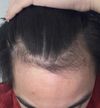
Taking care of hair condition through the use of shampoo, conditioner, oils and scalp scrubs, as well as advice on using Nizoral and Naturebox Olive Shampoo. Replies also included discussion about whether a bad shampoo could be causing hair loss.
The user has been using a regimen including finasteride, minoxidil, various oils, and supplements for hair regrowth over 9–10 months. They observed fine hairs returning and a change in scalp texture after adding cinnamon oil, questioning if this change is a positive sign.
A 20-year-old male is experiencing worsening diffuse thinning despite using topical minoxidil, topical finasteride with minoxidil, oral finasteride, stemoxydine, and pyrilutimide. He is seeking support and advice as he struggles with the mental and physical challenges of hair loss treatments.
A user experienced rapid hair loss despite taking finasteride 1mg and undergoing PRP treatment. They also take a supplement with biotin, iron, zinc, and calcium but have not seen improvement.
The user is experiencing hair loss with symptoms of receding hairline, extreme shedding, and low density, possibly due to androgenic alopecia, diffuse thinning, retrograde alopecia, or telogen effluvium. They have used minoxidil and noticed changes in shedding patterns related to different water qualities and seborrheic dermatitis.
Hair loss was triggered by a testosterone and Masteron cycle, causing scalp tension and shedding. Topical finasteride, RU58841, and oral minoxidil were used to stop shedding and improve scalp condition.
The conversation is about a user experiencing hair shedding after using a brand of RU58841, questioning its effectiveness and safety. Concerns are raised about RU58841 being an abandoned research chemical and the use of heavy oils like castor and argan oil potentially affecting absorption.
A 24-year-old noticed hair thinning over 4-6 years and is seeking advice on whether it can be salvaged. Treatments mentioned include Minoxidil, finasteride, and RU58841.
A young individual experienced early hair loss and tried various treatments including Minoxidil, RU58841, micro-needling, and topical finasteride, which stopped the hair loss but did not regrow hair. Ultimately, they found a solution in a hair system, which restored their confidence and allowed them to participate in social activities again.
The user has been using finasteride, dutasteride, pyrithione zinc, and oral minoxidil to treat hair loss and has seen an increase in fine hairs on the hairline but overall thinning on the top. They are considering adding zinc and Vitamin K to their regimen and are already taking hair multivitamins with collagen.
A 32-year-old is using finasteride, oral and topical minoxidil, microneedling, and keto shampoo to treat hair loss, noticing healthier hair and new tiny hairs on previously bald areas. They are hopeful for more visible results in the coming months and encourage others to try the treatment.
After taking finasteride for 192 days, the user experienced side effects like depressed mood and decreased libido, along with worsening hair thinning and scalp issues. Despite consulting a dermatologist, the user's hair condition and scalp itchiness have not improved.
A 27-year-old is experiencing increased hair shedding despite using minoxidil, finasteride, and microneedling. They are concerned about the shedding and seek reassurance and advice from others.
User experiencing hair loss on dutasteride; others suggest shedding is normal and to track progress with pictures. Some mention using RU58841 for improvement.
A 19-year-old is experiencing aggressive hair thinning and has been on finasteride for six months with consistent shedding. They are considering switching to dutasteride and hoping minoxidil will work better afterwards, while others suggest patience with current treatment and adding dutasteride, RU58841, a good diet, and dermarolling for potential improvement.
A user visited a dermatologist for hair loss and was prescribed Minoxidil without a physical examination, leading to skepticism about the thoroughness of the appointment. The user is considering seeking a second opinion due to the lack of tests or physical checks.
A 17-year-old is experiencing rapid hair loss from NW1.5 to NW3 in six months and feels dermatologists are unhelpful. They are using Minoxidil (Rogaine) and seeking advice on application.
Cosmetics Hut Hair Strengthening Shampoo with Biotin Peppermint Platyclaudus is popular for reducing hair shedding. Other treatments mentioned include Minoxidil, finasteride, ketoconazole shampoo, and biotin supplements.
A user experienced 12 months of hair shedding on finasteride and is unsure about continuing, increasing the dose, or switching to dutasteride. Suggestions include adding minoxidil, adjusting finasteride dosage, and checking for deficiencies.
The user experienced a severe hair shedding phase after switching to a combination pill of finasteride, minoxidil, and B12, but the shedding has now significantly reduced. Other users shared similar experiences, noting that shedding can be a sign of treatment effectiveness.
The user experienced improved hair growth using Minoxidil twice daily, finasteride 1.25mg once daily, weekly dermarolling, supplements, and occasional ketoconazole shampoo for 5.5 months, but noticed hair shedding again after switching types of Minoxidil. Despite returning to the original Minoxidil, the user's hair condition worsened and shedding continued.
A user reports significantly reduced hair shedding by using a topical mixture containing 10% Minoxidil, 0.1% Melatonin, 5% Azelaic Acid, 5% Rosemary Oil, and 5% Peppermint Oil, and attributes the success mainly to Melatonin. They also use a copper peptide serum (AHK-Cu) for hair growth and Ketoconazole shampoo for scalp cleaning, but have stopped using other treatments like Finasteride and RU58841.
The user is experiencing hair loss despite using Dutasteride and plans to try RU58841, considering adding Oral Minoxidil. They express frustration with diffuse thinning and seek advice on managing hair loss.
The user has been using finasteride for 4 years and minoxidil for 1 year, with a recent break from minoxidil due to shedding concerns. They resumed minoxidil and started dutasteride 3 times a week, but are experiencing increased hair shedding.
Microneedling can cause sneezing and eye tearing due to nerve stimulation, particularly near the temples and forehead. Some users find it lessens over time, while others prefer using finasteride and minoxidil for hair growth.
The user experienced significant hair thinning and scalp irritation after three months of using topical finasteride. Suggestions include that shedding is normal before regrowth and switching to oral finasteride or addressing scalp inflammation might help.