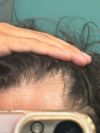
User seeks treatment to increase minoxidil efficacy. Suggestions include microneedling, oral minoxidil, and Tretinoin, with mixed experiences and side effects.
A 26-year-old is using 5% minoxidil twice daily and 1 mg finasteride every other day, along with biotin and collagen supplements, for hair regrowth. They apply minoxidil to the temples and crown and experienced initial shedding in the first month.
Monthly microneedling combined with low-dose topical dutasteride shows promising results for hair density and thickness with minimal side effects, especially in the frontal area. Despite its effectiveness, it is not widely discussed or used due to availability and cost concerns.
The conversation discusses hair loss treatments, focusing on alternatives to Minoxidil, such as Bimatoprost and Latanoprost, and the use of Finasteride, Dutasteride, RU58841, and microneedling. The user plans to add Latanoprost to their regimen, which already includes oral and topical Minoxidil and Finasteride, Ketoconazole shampoo, and microneedling.
The user experienced hairline loss after switching from topical to oral minoxidil and stopping microneedling. They are considering whether to continue with oral minoxidil and have resumed microneedling.
Using 2.5mg oral minoxidil and 1mg oral finasteride daily leads to significant hair regrowth without side effects, especially at the crown. Consistency is crucial, and some users consider additional methods like derma rolling.
The user is considering blood tests to understand their receding hairline and is exploring brewer's yeast for its biotin content. They have been using topical Minoxidil, biotin, collagen, and microneedling, but are avoiding oral Finasteride and Dutasteride.
The conversation is about a user's 3-month hair regrowth progress using finasteride, minoxidil, and a 0.5mm dermaroller, with recent addition of caffeine shampoo. Users are responding positively and inquiring about application methods.
The user noticed hair thinning and has been using a treatment with minoxidil 2%, hydrocortisone butyrate, and 17 alpha estradiol for three months, seeing some regrowth. The user had dermatitis, now cured, which worsened the hair loss.
A 41-year-old man shared his 3-month hair regrowth progress using 5% minoxidil and weekly microneedling. He applies minoxidil nightly and uses a topical mix of coffee, olive oil, rosemary oil, and vitamin oil after morning microneedling.
The conversation discusses hair loss treatments, specifically dutasteride, oral minoxidil, and microneedling. Users inquire about side effects, brands, and suggest using topical minoxidil.
The user has been using 15% minoxidil, rosemary oil, peppermint oil, and bi estro cream for hair loss and is noticing baby hairs but is unsure if this is new hair growth or just existing hair getting longer.
The conversation humorously discusses hair loss treatments, including Minoxidil, finasteride, RU58841, and topical 17 alpha estradiol, with some users joking about transitioning to female to avoid baldness. The overall tone is satirical, emphasizing self-acceptance and the lengths people might consider for hair restoration.
The conversation discusses hair loss linked to BDNF-increasing nootropics like Semax and Lions Mane. Suggested topical treatments include capsaicin, beta-glucan, and ginseng to counteract TGF-B activation.
The conversation is about someone starting treatment for hairline thinning with 1mg finasteride, 5% minoxidil, and vitamin D3 supplements, and asking for advice on dermarolling. Another person reassures them that they still have a lot of hair and could maintain or regrow hair with the treatment.
User balding1337 shared their hair loss treatment success using Finasteride 1mg/day, Minoxidil 5% 2x/day, microneedling at 1.5mm, and Biotin+Multivitamins. Another user mentioned that microneedling with minoxidil is 3-4x more effective than minoxidil alone.
A user shared their 5-month hair loss treatment progress using oral finasteride, Regaine foam, 2DDR serum, and microneedling, noting improvements in hair growth at the crown and front. They are considering increasing microneedling frequency or adding a shampoo to their routine.
Microneedling at .25 depth may not be as effective as other depths for hair loss treatment. Minoxidil and tretinoin are used, but DHT blockers are also recommended for better results.
A user is experiencing uneven hair thinning and has tried topical minoxidil without success and finasteride with adverse effects. They are considering microneedling and PRP treatments while avoiding finasteride, and another user suggests trying dutasteride as an alternative.
Hair loss treatments discussed include Minoxidil, Finasteride, microneedling, red light therapy, and biotin pills. The most proven treatments are Minoxidil, Finasteride, and microneedling, while other methods are considered less effective or satirical.
The conversation discusses using Minoxidil and Finasteride for hair loss, with a focus on applying Minoxidil after microneedling to enhance absorption. There is also mention of considering oral Minoxidil due to potentially higher absorption rates.
Breezula (clascoterone) initially performed better than finasteride for hair loss but then effectiveness decreased almost back to baseline after 6 months, raising questions about its strength.
Clascoterone in Winlevi, a topical AR antagonist, is being re-examined due to concerns about HPA axis suppression in adolescents, but it's unlikely to be banned for adult use in androgenetic alopecia (AGA). The European Medicines Agency recommended refusing Winlevi for acne vulgaris, but this may not affect Breezula's approval for AGA.
Hair loss can cause psychological distress, but maintaining optimism and self-improvement is crucial. Treatments like minoxidil, finasteride, and potential new options like clascoterone offer hope, though side effects can occur.
FluffyyKoala shared their 6-month hair regrowth journey using finasteride, minoxidil, and microneedling, with positive results and minimal side effects. Others in the conversation shared their experiences, asked questions, and congratulated FluffyyKoala on their progress.
A user shared progress pictures after 6 months of using a topical treatment with 6% Minoxidil and 0.3% Finasteride, showing improved hair density. Other users encouraged the progress and suggested adding a derma stamp for better results.
The conversation is about choosing the right concentration of tretinoin cream to enhance the absorption of minoxidil for hair loss treatment. The options discussed are 0.5, 0.05, 0.25, and 1mg/g concentrations.
A user applied minoxidil to their pubic hair for 3 months, resulting in hair growth over 4 inches, and is considering using it for a scalp hair transplant. They plan to continue the treatment despite their wife's disapproval.
The user experienced significant hair shedding initially but saw progress after 8 months using 1.25 mg of oral finasteride and minoxidil. They noticed increased hair growth on their eyelashes, eyebrows, and body, and considered increasing the dosage but decided to maintain the current regimen.
The user has seen hair regrowth after using oral finasteride, topical minoxidil, ketoconazole, and microneedling for three months. They are considering growing their hair out but are concerned about the appearance and the practicality of applying treatments to longer hair.