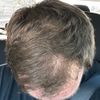
User achieved hair regrowth using 1 mg oral finasteride, topical minoxidil twice daily, and occasional microneedling. They are happy with the progress despite still having thin hair on top.
A user is concerned about hair loss in the temple area despite using Minoxidil and finasteride for 10 months and is curious if PP405 can help. Responses indicate uncertainty about PP405's effectiveness, with some optimism about future treatments and AI speeding up drug discovery, but emphasize waiting for clinical trial results.
Hair loss affects confidence, with discussions on treatments like finasteride, minoxidil, and RU58841. Emphasis is placed on self-acceptance and building confidence beyond appearance.
The user is using RU58841 for hair regrowth on the temples and is considering adding minoxidil. They are questioning the potential for vellus hairs to develop into fuller hair and the possibility of reactivating dormant follicles.
The user has been dermarolling and applying argan oil with peppermint or rosemary oil, noticing baby hair growth on the hairline. They are questioning if this indicates treatment success or faster hairline recession.
The conversation discusses using microneedling with growth factor serum, PRF injections, dutasteride, oral and topical minoxidil, and topical exosomes to treat hair loss, particularly on the crown. OP plans to microneedle twice a month and seeks feedback on Korean growth factor serums.
A user suggests that deeper microneedling with Verteporfin injections might help regrow hair in areas with scar tissue, alongside a DHT blocker. Another user explains that hair loss might be due to reduced Wnt/β-Catenin signaling and suggests that treatments like Minoxidil, Finasteride, and microneedling could potentially reverse it.
The user is using oral minoxidil, ghk-cu, and HGH for hair regrowth, noticing small vellus hairs on the crown. They avoid traditional DHT blockers like finasteride due to side effects, despite skepticism from others about the effectiveness of ghk-cu.
A trans woman experiencing male pattern baldness has been using Minoxidil and microneedling for 3.5 months, noticing visible hair regrowth. Despite initial skepticism, progress is evident, though a hair transplant might be needed for fuller coverage.
A 25-year-old shared progress after a year using oral finasteride, topical minoxidil, and microneedling, noting significant hair improvement despite periodic shedding. The user experienced body hair loss as a side effect but reported no other issues and plans to continue the treatment.
A 30-year-old woman with a history of anemia and low vitamin D experienced hair shedding, which improved after addressing nutrient deficiencies. Despite regrowth of terminal hairs, her dermatologist recommended treatments like minoxidil and spironolactone to prevent future bald spots, but she is cautious due to family history of hormone-related cancers.
User shared 9-month progress with finasteride and microneedling, and 2-year progress with minoxidil for hair loss. Others asked about microneedling tools, routine, and suggested micro fibers for improvement.
The conversation is about a female experiencing hair loss and seeking advice on why it's difficult to regrow hair. Specific treatments like Minoxidil, finasteride, or RU58841 are not mentioned.
The conversation is about a user considering joining a clinical study for Clascoterone (Breezula) after experiencing no results with topical finasteride and minoxidil, and side effects from oral finasteride. The user is seeking advice on clinical study participation and experiences.
A user shared their experience of hair loss progression after one year on dutasteride, expressing disappointment with no improvement and considering other treatments like RU58841. Other users offered mixed responses, some seeing no change, others suggesting the hair loss might have been worse without treatment, and discussing the role of testosterone and DHT in hair loss.
A user's progress with a hair loss treatment regimen consisting of minoxidil, finasteride, and dermarolling once a week over four months; other users have offered encouragement and advice.
The conversation discusses hair loss treatment progress 11 weeks after a crown transplant. The user is using minoxidil every two days and biotin daily, without finasteride.
The user noticed temple recession and front thinning. Their treatment includes microneedling, topical minoxidil and finasteride, biotin, zinc, selenium, vitamin D3, rosemary oil, and specific shampoos.
A 29-year-old is using oral minoxidil, finasteride, hormone replacement therapy (HRT), and microneedling for hair regrowth. They started balding at 20, worsened at 25, and are transitioning with testosterone blockers.
The user shared a 4-month hair loss treatment update, using Kirkland liquid minoxidil twice daily, microneedling with 1.5mm and 0.5mm needles, and applying rosemary oil twice a week. They plan to start taking finasteride and also grew a beard by microneedling and applying minoxidil to their face.
A user shared their 4-month hair restoration progress using minoxidil with finasteride, oral finasteride, and micro needling. The community responded positively, praising the results and the user's happy demeanor in photos.
The user switched from finasteride to dutasteride in January and noticed increased crown thinning, despite using minoxidil with rosemary, biotin, and castor oil. They are concerned about hair loss and considering visiting a clinic for further advice.
People regret not starting hair loss treatments like Minoxidil and Finasteride earlier, as they've lost significant hair by waiting. Some experienced side effects like itchy nipples or increased libido, but overall, they wish they had acted sooner to prevent hair loss.
A 30-year-old with a family history of receding hairlines is considering starting finasteride due to gradual hairline recession. They are seeking advice on whether to begin treatment or if they are worrying unnecessarily.
OP shared a 1-month progress update on using a topical solution with dutasteride, minoxidil, and tretinoin for hair loss. Users noted regrowth and discussed tretinoin's availability.
Breezula is a potential hair loss treatment, but recent updates suggest it may not be as promising as initially thought. Some users express skepticism about its effectiveness based on past results.
The user underwent a hair transplant 11 months ago and is satisfied with the results, regaining confidence. Post-operation treatments included oral minoxidil, finasteride, dutasteride, vitamin supplements, and occasional QR678 injections.