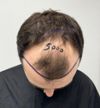
A user shared their 4-month hair transplant progress with 3740 grafts, showing before and after pictures. They had a generally good experience, except for the anesthesia part.
Celonius discusses hair loss and plans for a FUE Hair Transplant, but worries about how it will look when shaved in the future. Derhab21 suggests going for the transplant and mentions potential future treatments like Breezula and stem cell injections.
Minoxidil and finasteride effectively improve hairlines and reduce balding, though some users report side effects like reduced libido. Consistent use over 1-2 years leads to significant hair regrowth, with some users also using skincare and biotin for added benefits.
The user is considering switching to oral dutasteride and oral minoxidil after being happy with their 4.5-month hair loss treatment progress using oral and topical finasteride, topical minoxidil, tretinoin, and microneedling. They thanked the community for information on medications.
The user underwent two hair transplants, started taking finasteride, oral minoxidil, and dutasteride, and began micro-needling to improve hair density and manage hair loss. They also focused on curly hair care techniques, resulting in noticeable improvements in the hairline and overall appearance.
A user shared their 9-month post-hair transplant results with 4600 grafts, using only Nourkin hair vitamins, Vitamin D, and B12, and expressed satisfaction. The replies debated the necessity of medications like finasteride and minoxidil for maintaining hair health.
Minoxidil users discuss skin-care routines to counteract side effects like dark circles and dull skin. Recommendations include vitamin C, potassium, collagen, retinol, nizoral shampoo, and emu oil.
Minoxidil, often combined with microneedling, has helped some users improve hair growth at the temples and hairline. Finasteride is also mentioned as a treatment, with mixed results on its effectiveness.
A user's 6 month hairline results from using dutasteride and microneedling, which resulted in successful regrowth of their thinning temples. Other users commented with similar experiences that were also achieved through the use of finasteride, dutasteride and minoxidil.
The user is seeking recommendations for a knowledgeable dermatologist in the Denver/Boulder area to address male pattern baldness, as they are dissatisfied with their current treatment of topical finasteride and are considering switching to dutasteride. They feel their current doctor is not open to exploring different treatments that could improve hairline thickness.
PP405 is a topical gel being tested for hair regrowth in adults with androgenetic alopecia. Volunteers aged 18-55 are needed for a 16-week trial in several US locations.
A user shared impressive progress at 4 months post-hair transplant with 5120 grafts by Dr. Ahmet Yildirim in Istanbul. The user expressed satisfaction with the results, which exceeded expectations.
The user experienced significant hair shedding initially but saw progress after 8 months using 1.25 mg of oral finasteride and minoxidil. They noticed increased hair growth on their eyelashes, eyebrows, and body, and considered increasing the dosage but decided to maintain the current regimen.
Amplifica's new injectable treatment for androgenetic alopecia shows a 15% increase in hair thickness and coarseness in 60 days. The treatment is in early human trials and offers a promising alternative to hormone-related hair loss treatments.
The user has been using Minoxidil and finasteride for two years, which stopped their hair loss but did not regrow hair. They are inquiring if adding microneedling or tretinoin has provided benefits to others in similar situations.
The user reports some hair regrowth after two months of using 1.5mm microneedling with Minoxidil and Nizoral shampoo. They note reduced pain and skin flaking, attributing changes to skin thickening and collagen induction.
A 43-year-old from Thailand shares progress after 1 month using topical finasteride, minoxidil, tretinoin cream, and weekly microneedling for diffused thinning. Users compliment his appearance and suggest he doesn't need treatment.
User is 1.5 months into using oral minoxidil and finasteride for hair regrowth, along with dermarolling. They report good progress and seek advice on whether new hairs will thicken.
The user is asking about the effectiveness of tretinoin 0.025% for hair loss, noting significant beard growth since using it for acne. They are considering adding it to their hair loss treatment regimen.
A user is using topical finasteride, keto shampoo, microneedling, and tretinoin for hair loss and is considering adding pyrilutamide. They notice some improvement at the temples and seek advice on whether to focus on cosmetic results despite daily shedding.
A user experienced significant hair improvement using oral finasteride for six months, adding microneedling and switching to non-sulfate shampoo. They managed side effects by working out and noticed no negative impact on libido.
The user has been using minoxidil and finasteride for 7.5 months to address hair thinning, particularly at the crown and temples, and is considering additional treatments like tretinoin and dermastamping despite having chronic scalp folliculitis. They are experiencing progress but are concerned about side effects and the effectiveness of treatments on temple regrowth.
Breezula is a potential hair loss treatment, but recent updates suggest it may not be as promising as initially thought. Some users express skepticism about its effectiveness based on past results.
A non-binary transfeminine person experienced significant hair regrowth after starting finasteride, minoxidil, microneedling, and hormone replacement therapy with estradiol. They encourage trans individuals concerned about hair loss to consider estrogen as it has greatly improved their hair condition.
The user is using topical finasteride, Bioscalin, Omega 3, and hair filler therapy for hair loss. There is some progress noted, but varying photo angles and lighting make it hard to assess fully.
The conversation discusses a user's plan to inject NAD+ and GHK-Cu into their scalp to improve hair health, with concerns raised about the risks of infection and necrosis. Alternatives like finasteride, dutasteride, microneedling, oral minoxidil, and scalp massages are suggested.
The user is 13 months post-hair transplant and is using 1 mg finasteride and 2.5 mg oral minoxidil. They are seeking opinions on their crown's appearance, considering switching treatments, and contemplating a second transplant due to concerns about hair density and stability.
A user's 3-month progress with a combination of finasteride, minoxidil and dermarolling for hair loss; other users shared their experiences and advice.