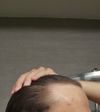
The user experienced hair regrowth and thickening using 1mg oral finasteride, 3mg oral minoxidil, biotin, vitamin D, red light therapy, and microneedling. Some shedding occurred around 4-6 weeks into the treatment.
Breezula (clascoterone) initially performed better than finasteride for hair loss but then effectiveness decreased almost back to baseline after 6 months, raising questions about its strength.
A user reported using oral Minoxidil 3mg, oral Finasteride 1mg, topical Minoxidil, dermarolling twice a week, and taking biotin and vitamin D daily for 10 weeks. They noticed small hairs growing at the hairline after 6 weeks.
A user, 42 M, NW 5-6, used oral Dutasteride, Minoxidil, RU58841 topical, micro needling, Nizoral shampoo, saw palmetto gummies, vitamin D gummies, and scalp massages for 2 months. They noticed many small light hairs on previously bald areas and are questioning if these will darken or remain vellus hairs.
A user shared progress pictures showing improvement from NW6 diffuse to NW1 after 5 months of finasteride and 2 months of dutasteride. Another user asked if these treatments affected beard or body hair thickness.
User has been using topical finasteride and minoxidil since May, previously used a spray version since January. They are seeing vellus hairs and have added weekly microneedling to their routine.
The user is experiencing hair regrowth after five months on a treatment regimen including Musely's bloom+ pill (Minoxidil and Dutasteride), Nizoral, and microneedling. They are optimistic about the results and have not experienced any side effects.
User discusses potential hair loss treatment SCUBE3 and shares mixed opinions on its effectiveness. One user reports positive results after applying SCUBE3 following microneedling.
The user experienced subtle hair growth improvements using finasteride, dutasteride, and minoxidil over nearly three years, with notable progress at the temples. The front hairline shows quicker regrowth cycles, but the vertex and crown remain unchanged.
The user is using oral minoxidil, ghk-cu, and HGH for hair regrowth, noticing small vellus hairs on the crown. They avoid traditional DHT blockers like finasteride due to side effects, despite skepticism from others about the effectiveness of ghk-cu.
The user is concerned about potential hair thinning after getting a buzzcut and shares photos for comparison. A suggestion is made to consult a dermatologist for a proper diagnosis.
Hair loss discussion includes Minoxidil and regrowth. Regrowing hairs start light and curly, then become dark and thick; losing temporal peaks is normal.
The conversation discusses biannual SCUBE3 injections and microneedling as treatments for hair loss. Specific treatments mentioned include Minoxidil, Finasteride, and RU58841.
The user is experiencing one-sided diffuse thinning and has been using finasteride and liquid minoxidil for 4-5 years with minimal results. They are considering whether to save for a hair transplant or address scalp sensitivity and irritation first.
A woman experienced increased body hair and acne with minimal hair improvement after switching from topical to oral minoxidil. Suggestions included reducing the oral dose, trying spironolactone, returning to topical minoxidil, or considering laser treatment for body hair.
Baldness is difficult to cure because current treatments like finasteride, dutasteride, and minoxidil only prevent hair shedding, and new developments are mostly ineffective. Botox shows potential in aiding skin regeneration and hair growth, but maintenance therapy with treatments like dutasteride and minoxidil may still be necessary.
Excessive use of topical minoxidil led to unwanted facial changes and side effects. The user plans to switch to oral minoxidil with microneedling for hair regrowth.
Breezula's phase 2 showed reduced efficacy after 6 months, but phase 3 had positive results, causing confusion about any changes made to the drug. There is frustration over the long timeline for hair loss treatments, with some users expressing more interest in other potential treatments like GT-20029.
Minoxidil, PRP, low-level light therapy, stem cell therapy, mesotherapy, Acell, and microneedling are discussed as treatments for thickening fine hairs in NW5 hair loss sufferers. A hair transplant may be necessary for significant improvement.
The user experienced new hair growth after switching from oral finasteride to topical RU58841 with minoxidil and undergoing stem cell therapy. They noticed new hairs at the hairline and temples, but are unsure which treatment is responsible.
The user is using dutasteride, estradiol cypionate, microneedling, oral minoxidil, and plans to add ketoconazole for hair regrowth. They are questioning if the improvement is due to actual regrowth or just better photo angles.
Breezula (clascoterone) is expected to be available by late 2026, showing good long-term results with minimal side effects. KX-826 (pyrilutamide) acts faster but is still in earlier development stages.
Female with PCOS experiences receding and thinning hair, wants dutasteride instead of spironolactone. Discusses desire to reduce DHT without losing libido.
The user is considering shaving their head completely after buzzing it due to a receding hairline and is unsure if the bald look will suit them. Another user suggests they look good with the buzz cut and recommends exploring the "Bald" subreddit for more support.
The conversation discusses whether someone with a naturally large forehead and widow's peak can get a hair transplant and start finasteride early. It also mentions a surgery to lower the hairline as an alternative.
A 23-year-old male showed hair regrowth after using finasteride and minoxidil daily for three months, with no significant side effects. Others shared their experiences and discussed side effects and photo lighting differences.