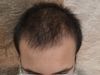
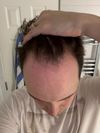
A 24-year-old is experiencing aggressive hair shedding despite past success with mesotherapy and minoxidil, and is considering adding treatments like Expecia, dermapen, or a hair transplant. Many suggest using finasteride to maintain hair, as it is necessary even after a transplant, and side effects are rare and reversible.
The conversation humorously discusses hair loss treatments like finasteride, minoxidil, and dutasteride, referencing a "Smiling Friends" episode. It includes jokes about hair loss, AI-generated images, and the show's satire on societal perceptions of baldness.
Many people feel self-conscious about hair loss during haircuts, with some using treatments like finasteride and minoxidil. Others cope by cutting their own hair or finding a trusted barber to manage thinning areas.
The user experienced side effects from finasteride and Nutrafol, opting for non-hormonal treatments like minoxidil, exercise, and a healthy lifestyle. Others discussed using Dutasteride, Biotin, and minoxidil with varying success and side effects.
A 19-year-old male with diffuse and crown thinning is considering starting minoxidil as advised by a dermatologist but is unsure if he should seek a second opinion. Another user suggests consulting a reputable dermatologist to avoid wasting resources.
The user is experiencing diffuse hair loss despite using finasteride and dutasteride and is considering adding minoxidil, microneedling, or RU58841. They are also thinking about increasing the dutasteride dose or opting for a hair transplant, while being cautious about side effects.
Minoxidil alone is not effective for significant hair regrowth; combining it with finasteride or dutasteride is necessary. Additional treatments like hair transplants, microneedling, or oral medications are recommended for better results.
The user is seeking advice on hair transplant techniques and surgeons to reshape a natural widow's peak into a more rounded hairline, preferring long hair transplants with minimal scarring and maximum density. They are currently using finasteride and oral minoxidil, which have not been effective, and are considering various surgeons primarily in English-speaking countries and the EU, excluding Turkey.
The user has been using Minoxidil, vitamins, and a derma roller for 2.5 months with some regrowth observed. They are hesitant to add finasteride or dutasteride due to potential side effects, considering topical finasteride as a safer option.
Mallia Aesthetics has developed MAL-838, a hormone-free product derived from sCD83, which stimulates hair growth without disrupting the skin microbiome. sCD83 promotes hair growth by activating hair follicles and preventing cell death, offering a localized treatment without systemic side effects.
A 25-year-old is experiencing hair thinning despite using 0.5mg oral dutasteride, 0.3% topical finasteride, and 6% topical minoxidil daily for a year. They are considering increasing dutasteride dosage and exploring other treatments like microneedling and KX 826, while seeking further medical opinions on their condition.
The conversation discusses hair loss treatments, focusing on iron supplements for low ferritin levels and considering finasteride and minoxidil if thinning persists. There is debate over starting with finasteride versus dutasteride, with some users advocating for dutasteride due to its potency, while others caution about potential side effects.
The user has been using a minoxidil and finasteride topical solution for 1.5 years without improvement and recently added oral finasteride but still experiences significant hair shedding. Other users suggest trying dutasteride, as some have switched from finasteride to dutasteride with fewer side effects, while others discuss dosage strategies and the effectiveness of topical versus oral treatments.
In the US, Amazon Pharmacy offers unlimited generic Finasteride and Dutasteride for $5/month with RxPass, requiring an Amazon Prime membership and a prescription. Alternatives include Costco and other pharmacies, but prices and availability vary.
The user has been using topical finasteride, Latanoprost, and other treatments for hair loss but hasn't seen progress and is considering increasing the finasteride dosage or switching to dutasteride. They cannot use minoxidil due to heart issues and are seeking advice on other options.
The user experienced significant hair regrowth after nearly 7 months using 1mg finasteride daily and 5% minoxidil twice daily. They are considering adding microneedling to enhance results and are pleased with the progress so far.
Deoxyribose sugar gel is discussed as a potential hair loss treatment, but it lacks human trials and credible evidence. Users express skepticism and humor about its effectiveness compared to established treatments like minoxidil and finasteride.
Topical minoxidil with finasteride can help focus treatment on the scalp, with shedding being normal initially. Foam minoxidil is easier to apply, PRP's effectiveness varies, and anti-dandruff shampoos like ketoconazole are beneficial for scalp health.
Hair cloning for hair loss is unlikely to be available or affordable in the next 10 years. Current treatments like Minoxidil, finasteride, and RU58841 are still the main options, with skepticism about new advancements.
PP405 is a potential new hair loss treatment that might replace finasteride and minoxidil, but it is still in clinical trials and may not be available until 2028-2031. There is skepticism about its effectiveness, with only a 20% increase in hair density observed in some participants.
Ketoconazole shampoo does not significantly reduce systemic or scalp DHT levels and is mainly used for its anti-fungal and anti-inflammatory effects. It is not a replacement for finasteride, which is recommended by some users despite concerns about side effects.
A 22-year-old male experiencing hair loss suspects androgenetic alopecia (AGA) and possibly telogen effluvium (TE), with a noted improvement in scalp itch after adopting a gluten-free diet. He is advised to consider treatments like finasteride or minoxidil and to check iron and ferritin levels.
The user began experiencing hair loss at 14 and is now starting treatment at 18 with a topical solution of 10% minoxidil-finasteride and ketoconazole shampoo. Oral finasteride was not recommended due to potential effects on growth, and microneedling will be considered after four months.
A 23-year-old male shared his two-year progress using topical finasteride and minoxidil for hair loss, noting some recent shedding. Users discussed their experiences, side effects, and offered advice, with some suggesting adding microneedling to enhance results.
Cbum's hair transplant is criticized for looking unnatural and not blending well, with some suggesting better results were expected given his resources. Discussions also cover the effects of steroids and finasteride on hair loss and muscle growth.
The user found success in treating hair loss by using a derm stamp with castor oil, vitamin E oil, and rosemary oil, alongside finasteride. The derm stamp, used every other day at 0.5 mm, significantly improved hair thickness and growth.
The user has been using 1 mg oral finasteride for 16 months to slow hair loss and is considering switching to dutasteride due to continued hair shedding. They are avoiding oral minoxidil due to potential side effects and are exploring other options with a dermatologist.
Finasteride may take over two years to show results and can cause side effects like sexual dysfunction and emotional changes. Alternatives such as dutasteride and minoxidil are discussed, with varying effectiveness and side effects.
The person is considering shaving their head due to hair loss but is unsure about the decision and concerned about potential regret. They are not interested in medication due to side effects and cannot afford a transplant, seeking advice and personal experiences.