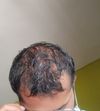
Switching from topical to oral minoxidil caused heavy shedding and thinner, brighter hair. The user is seeking advice on whether hair can recover to its previous state.
Topical minoxidil can cause water retention, making the face appear swollen. Switching from liquid to foam and reducing application frequency may help; using dandelion root extract as a diuretic is also suggested.
Treatments for hair loss, such as Minoxidil, Finasteride and RU58841. The first user asked for proof of the effectiveness of these treatments, and the second user responded with a humorous reply.
PP405 may revive dormant hair follicles but is unlikely to help with long-term baldness where follicles are replaced by scar tissue. It is seen as a potential adjunct to treatments like minoxidil and finasteride, but its effectiveness on deeply fibrotic or scarred areas is doubtful.
The user experienced hair loss and used minoxidil, biotin shampoo, and supplements like biotin, zinc, fish oil, saw palmetto, and B vitamins, which initially stopped hair loss but did not promote regrowth. They suspect heat causes a dry, flaky scalp leading to hair loss and are considering using a supplementary shampoo and possibly finasteride.
A new hair loss lotion by Dr. Brotzu, expected to regrow up to 5 years of lost hair, is set to be released by Fidia Farmaceutici. It claims to work like minoxidil and finasteride without side effects, but skepticism exists due to its classification as a cosmetic product.
The conversation discusses why CB-03-01, a potential hair loss treatment, isn't widely discussed despite evidence of its effectiveness and safety. Some users mention other treatments like melatonin, procianidin b2, and RU58841, debating their effectiveness and safety.
The user is using a hair recovery treatment with 0.5 mg dutasteride, 5 mg biotin, 5% topical minoxidil, and dermarolling twice a week. They are considering using a 1.5 mm dermaroller and red light therapy.
A user experienced a painful rash from both liquid and foam minoxidil, suggesting an allergy to minoxidil itself. They are seeking others with similar experiences.
Minoxidil is causing severe scalp irritation, including itchiness and dryness, for the user. Alternatives suggested include anti-fungal treatments, propylene-glycol-free formulations, and possibly oral minoxidil.
User reports visible hair growth after 1.5 months using dermarolling, Jamaican black castor oil, and onion juice, having stopped minoxidil due to initial hair loss. Replies suggest continuing minoxidil despite shedding, buzzing hair, and trying finasteride or scalp massages.
A user experienced severe side effects, including symptoms of congestive heart failure, after using excessive doses of minoxidil for beard growth. They stopped using it due to financial reasons, but still suffer from lingering symptoms and are advised to seek medical attention.
A 26-year-old male shared progress pictures after 4 months of treating hair loss with finasteride (1.25 mg on Mondays, Wednesdays, and Fridays), topical minoxidil twice daily, ketoconazole shampoo twice weekly, and weekly microneedling at 1.5 mm. He is seeing hair growth improvement, especially in the front, and is considering hair grafts for the crown area if necessary for more density.
The user shared progress pictures after using minoxidil and microneedling for 1 month and 10 days. They discussed their positive results and experiences with these treatments for hair loss.
Microneedling can promote hair growth, but there is uncertainty about the best practices, including needle length, device, and session frequency. Users discuss using needle lengths between 0.5mm and 1.5mm, with some experiencing pinpoint bleeding, and emphasize the need for more reliable resources and guidelines.
User shares 4-month progress using finasteride, minoxidil, and microneedling for hair loss. Others discuss body hair, hair transplant possibilities, and user's treatment response.
A user shared their year-long hair loss treatment using minoxidil, microneedling, and scalp massages, reporting moderate hair growth and stabilization. They suggest starting early with less harmful methods and consider adding finasteride or dutasteride if needed.
A user shared a 10-month update on their hair loss treatment, including a hair transplant of 2300 grafts and 7.5 months of using a topical minoxidil/finasteride solution and ketoconazole shampoo. They expressed regret for not starting the medications sooner and reported side effects like heart palpitations, which improved after cutting out caffeine.
The user added witch hazel to their routine with finasteride and topical minoxidil to reduce scalp itching and potentially help with hair loss. They find witch hazel affordable and effective for itch relief, though its impact on hair loss is still uncertain.
Using a 1mm derma roller every day with nanoxidil is not recommended; it should be used once a week. The user had no initial instructions and used it nightly for two months.
A 42-year-old man's two-month hair loss treatment progress using topical finasteride, oral minoxidil, microneedling, and keto shampoo. He noticed improvements, including new hair growth, despite minor side effects like mild ache and increased libido initially.
The conversation discusses hair regrowth possibilities using finasteride, minoxidil, microneedling, and dutasteride, with the user experiencing improvement from NW4 to NW2. Achieving NW0 is deemed unrealistic, but further regrowth may be possible with patience and potentially a hair transplant.
The user noticed hair thinning and has been using a treatment with minoxidil 2%, hydrocortisone butyrate, and 17 alpha estradiol for three months, seeing some regrowth. The user had dermatitis, now cured, which worsened the hair loss.
A user shared 4-month progress pictures using a daily Hims fin/min/ketoconazole/biotin hybrid spray for hair loss, reporting positive results. Suggestions included adding microneedling to the routine.
Microneedling can aid hair regrowth but poses risks like permanent hair loss if not done properly. Combining it with minoxidil, finasteride, and tretinoin, while ensuring proper sterilization and technique, is crucial for safety and effectiveness.
Onion juice, when applied topically, is an effective treatment for Alopecia Areata, showing significant hair regrowth in both males and females. The study suggests it could be interesting to test its effectiveness on Androgenic Alopecia.
The user underwent a hair transplant in Boston, initially dissatisfied with the results, but later achieved significant improvement in hair density and natural appearance after consulting a different surgeon. They used finasteride, minoxidil, and low-level laser therapy as part of their treatment.