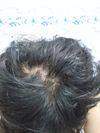
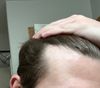
User has been using topical finasteride and minoxidil for a year, seeing regrowth only on the hairline, not the crown. They also use keto shampoo, rosemary oil, and microneedle weekly, and are considering switching to oral treatments.
The user is experiencing hair shedding after using minoxidil and is considering switching to dutasteride while planning to increase their oral minoxidil dose. They also use nicotine pouches, Vyvanse, and GHK-Cu, and have noticed thicker eyebrows and lashes from oral minoxidil.
A 20-year-old using minoxidil, weekly microneedling, biotin, vitamin D3, rosemary oil, and saw palmetto shampoo for hair regrowth. The user is in the shedding phase and hopes for better results in months 3-6.
A 20-year-old stopped oral minoxidil (3mg) for a month due to health concerns and lack of significant results, while continuing topical minoxidil (7%) with tretinoin and finasteride (1mg). They experienced placebo side effects and are considering resuming oral minoxidil, seeking advice on potential setbacks.
The user is experiencing significant hair shedding after three months on oral Dutasteride, Minoxidil, and Vitamin D3, but remains hopeful as shedding can indicate treatment effectiveness. They consider adding topical Minoxidil and dermal needling, while others advise patience.
OP experienced hair improvement using NMN and quercetin after stopping finasteride, but later resumed finasteride due to shedding. They believe NMN and quercetin still help with hair loss.
The conversation is about managing an itchy, flaky scalp, possibly due to psoriasis, and the use of a hydrating conditioner to address dryness. The user is concerned about using conditioner due to experiencing telogen effluvium.
The user experienced hair loss due to androgenic alopecia and chose to use essential oils (rosemary and peppermint) and microneedling instead of minoxidil or finasteride. They reported positive results after 24 days and plan to continue with these treatments.
The user experienced increased hair shedding after adding tretinoin to their regimen of finasteride, minoxidil, and dermarolling, but noticed new vellus hairs appearing. They plan to restart tretinoin more gently, as some users suggest shedding indicates treatment effectiveness, while others warn it may cause severe thinning for a minority.
After a year on dutasteride and oral minoxidil, the user experienced significant hair regrowth, improving from Norwood 2 to almost Norwood 1. They added RU58841, microneedling, rosemary oil, GHK-Cu, and annurca apple supplement to their regimen and are now noticing hair loss in the temple area.
A 30-year-old male is using dutasteride, minoxidil, ketoconazole shampoo, and various supplements for hair loss, reporting no sexual side effects but experiencing tinnitus. He stopped microneedling and tretinoin cream, saw quick results, and experiences low-intensity shedding.
Switching from oral to topical dutasteride can cause shedding due to changes in DHT levels, and it's recommended to overlap both treatments to minimize this effect. Topical dutasteride may cause scalp irritation, and the user is considering dutasteride mesotherapy as an alternative.
Minoxidil caused water retention and gastrointestinal issues for the user, which improved after stopping the medication. The user is now using finasteride and topical minoxidil, experiencing excessive urination and concerns about systemic absorption.
A 23-year-old is experiencing hair thinning at the crown and mid part, possibly due to vaping, and is using minoxidil, derma rolling, PRGF sessions, rosemary oil, ketoconazole shampoo, and vitamin D3 supplements. They are considering adding finasteride but are concerned about its side effects.
A 37-year-old man achieved significant hair regrowth in five months using topical minoxidil 5%, rosemary oil massages, and Nizoral 2% shampoo. His impressive results led to disbelief and admiration, with some attributing his success to being a "hyper responder."
This conversation is about a user who has been using Minoxidil to treat hair loss for two weeks, and experienced an intense shed. The replies offer advice on how to manage their shedding, such as shaving their head or using Finasteride, and encouragement that the results will be worth it in the end.
The user plans to start hair loss treatment with minoxidil, finasteride, and microneedling, considering oral minoxidil to avoid affecting their cat. They are concerned about potential shedding and the impact of vaping on hair loss.
User noticed black dots along the hairline and temples, questioning if it's regrowth. They are using a regimen including Dutasteride, oral and topical Minoxidil, and a compounded topical treatment.
The post humorously discusses an exaggerated hair loss treatment regimen including minoxidil, finasteride, microneedling, and "demon blood." Replies joke about the regimen and suggest alternative sources for "demon blood."
Topical minoxidil from Kirkland led to noticeable hair growth for the user, unlike oral minoxidil, which showed no results after a year. Other users shared similar experiences, suggesting topical minoxidil might be more effective than oral for some individuals.
A user is excited to shave their head for a pilgrimage to Saudi Arabia after seeing hair regrowth from using finasteride, minoxidil, Nizoral, and a derma roller. Others in the conversation offer prayers and discuss the religious aspects of shaving for the pilgrimage.
A 20-year-old experienced side effects from oral finasteride and is considering switching to topical treatments, including minoxidil and tretinoin. Another user shared their experience of switching to topical finasteride and minoxidil, then to oral dutasteride and minoxidil, noting no side effects with dutasteride.