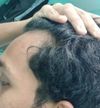
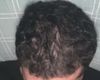
Using 2% ketoconazole daily can dry out the scalp; 1-2 times a week is recommended. Combining ketoconazole with treatments like minoxidil, alfatradiol, and fluridil can help manage hair loss effectively.
A 26-year-old male is unhappy with his current hair loss routine, which includes microneedling, ketoconazole shampoo, and a topical formula with Minoxidil, Finasteride, and other ingredients. He struggles with consistency due to ADHD and is considering switching to oral medication for simplicity, but is concerned about side effects and effectiveness.
LazyJam shaved their head after not seeing significant results from using finasteride and microneedling for hair loss, feeling more self-acceptance and saving money. Others in the conversation discuss their own reasons for continuing hair loss treatments, such as personal appearance, self-esteem, and not wanting to shave regularly.
A user experienced a painful rash from both liquid and foam minoxidil, suggesting an allergy to minoxidil itself. They are seeking others with similar experiences.
A user is using a mix of 15ml coconut oil and 6 drops of rosemary oil applied to the scalp three times a week for an hour before washing, seeking natural hair growth methods before considering medications. The user asks if this technique is effective and requests respectful advice.
A 20-year-old with aggressive hair loss is using oral minoxidil and finasteride, considering a buzz cut to manage appearance. Most suggest a buzz cut or shaving, recommending patience with medication and possibly trying RU58841 or dutasteride.
A 23-year-old experiencing diffuse hair thinning has chosen a treatment stack including topical finasteride, a blend of rosemary, peppermint, and pumpkin seed oils, procyanidine B2 spray, ketoconazole shampoo, and scalp massages. They avoid minoxidil due to family history of side effects and oral finasteride due to high estrogen levels.
An 18-year-old is experiencing severe hair loss and dandruff, feeling stressed and unable to commit to Minoxidil or handle finasteride side effects. They have tried natural oils, anti-hair fall shampoo, and consulted a dermatologist without success, and are seeking affordable treatment options.
An 18-year-old experienced chest pain, headaches, and vomiting after taking oral minoxidil for hair loss. They reduced the dosage, felt better, but experienced sharp chest pain again after increasing it, and are advised to stop the medication and see a doctor.
A 21-year-old is experiencing hairline recession and is using finasteride, saw palmetto, gelatin, topical minoxidil with retinoic acid, derma stamping, and scalp massage to address it. Suggestions include adding oral minoxidil, vitamin D3 with K2, and maintaining the current regimen for a year.
The user has been dermarolling and applying argan oil with peppermint or rosemary oil, noticing baby hair growth on the hairline. They are questioning if this indicates treatment success or faster hairline recession.
A user noticed hair loss after stopping the use of coconut oil due to cold weather. Another user suggested that the scalp might have become unhealthy from the dry conditions and lack of oil.
The user tried pyrilutamide for hair loss and noticed reduced scalp itch and improved skin but stopped due to mild heart sensations. They plan to update after consistent use, noting improved sleep when applied at night.
A 21-year-old is concerned about androgenic alopecia and has been using minoxidil for a year, noticing some stabilization in the hairline but fears using it on the whole scalp due to seborrheic dermatitis. Another person suggests considering a psychiatrist for stress management, using Nizoral shampoo, and possibly trying a small dose of finasteride.
A 23-year-old male uses minoxidil and finasteride daily for androgenetic alopecia and is concerned about dandruff, which a dermatologist addressed with two serums. He uses ketoconazole shampoo twice a week to manage scalp issues.
The conversation discusses methods to further reduce DHT in the scalp for hair loss treatment, with users suggesting various approaches like using dutasteride, minoxidil, tretinoin, and natural supplements like pumpkin seed oil. Some users also mention using topical applications and scalp massages to enhance the effectiveness of these treatments.
The post discusses a hair loss treatment regime using Nizoral, a laser helmet, dermaroller, bentonite clay mask with essential oils, and ketoconazole shampoo. The user avoids finasteride and minoxidil due to concerns about side effects and pet safety.
OP is experiencing dandruff and is considering switching from climbazole to ketoconazole, with suggestions to use Nizoral and a routine involving ketoconazole, coconut oil, and lemon. OP is also using minoxidil and finasteride for hair loss, and there are discussions about various shampoos and treatments for dandruff.
A 25-year-old is experiencing mild hair loss and is using a regimen including scalp brushing, dermarolling, topical minoxidil, caffeine, melatonin, and a DHT-blocking shampoo. Another person shares their struggle with hair loss due to drug use and plans to start finasteride while trying to quit drugs.
Creatine may increase scalp DHT without affecting serum DHT, potentially speeding up male pattern baldness (MPB) for those genetically prone. Treatments mentioned include Minoxidil, finasteride, and RU58841.
An 18-year-old woman experiencing hair loss due to stress, possible PCOS, and low vitamin D is concerned about starting 5% minoxidil foam, prescribed by her doctor, due to potential facial hair growth. She is also using a topical steroid for scalp sensitivity and pain.
User considers scalp micropigmentation (SMP) for hair loss. Mixed opinions shared; some regret it, others satisfied. Choosing reputable clinic and technician is important.
A user experienced continuous hair shedding for six months after using topical 5% minoxidil and 0.1% finasteride. They switched to minoxidil gel and oral finasteride 1 mg due to scalp itchiness and are seeking advice on their situation.
A user's decision to shave their head after struggling with hair loss for seven years, and the medications and treatments they are using to attempt regrowth. They also discuss potential future treatments that may come out in the near future.
The conversation is a satirical expression of frustration over hair loss, mentioning treatments like spironolactone, microneedling, and topical applications, with references to various hair loss products and personalities in the community.
A trans woman is curious about the impact of HRT on hair regrowth and scalp tension. Her current regimen includes finasteride, spironolactone, estradiol, ketoconazole, vitamin D, iron, and plans to add oral minoxidil and restart derma rolling.
A 25-year-old male with seborrheic dermatitis and hair thinning seeks advice on the severity of his condition and treatment options. Oral finasteride and oral minoxidil are recommended as the most effective long-term treatments.
The user is experiencing hair thinning and bald spots, using Nizoral, rosemary oil, fluocinolone, and receiving PRP treatments. They are considering oral minoxidil and finasteride but are hesitant due to age and financial constraints.