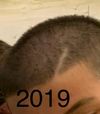
The user experienced improved self-confidence and hair regrowth using finasteride, minoxidil, and dermarolling. Visible results were noted after about three months, with microneedling done once a week.
The user experienced increased hair loss and scalp itchiness despite using finasteride and plans to resume minoxidil and start microneedling. They are considering using clay, Aveda thickening tonic, and a beanie to manage the appearance of thinning hair.
Curly and wavy hair can make hair loss appear worse due to clumping, but using less product, shorter cuts, and leave-in conditioner can help manage appearance. Minoxidil and finasteride are considered for treatment, and some find that styling can hide thinning areas.
The conversation is about a user sharing their 3-month progress with finasteride, minoxidil, and weekly derma rolling for hair loss. Some suggest buzzing the hair off to better apply treatments and consider a hair transplant in the future.
A user, 42 M, NW 5-6, used oral Dutasteride, Minoxidil, RU58841 topical, micro needling, Nizoral shampoo, saw palmetto gummies, vitamin D gummies, and scalp massages for 2 months. They noticed many small light hairs on previously bald areas and are questioning if these will darken or remain vellus hairs.
The conversation discusses the progress of Clascoterone (Breezula) for hair loss treatment, noting that COVID-19 delayed female trials by three months but Phase III trials for males are proceeding with a Special Protocol Assessment filed with the FDA. Users express hope for Breezula as an alternative to existing treatments like finasteride and minoxidil, despite concerns about its potential high cost.
Hair loss treatments, specifically the use of Finasteride, Nizoral, and dermarolling; potential results from these treatments are discussed, along with potential side effects.
Microneedling can promote hair growth, but there is uncertainty about the best practices, including needle length, device, and session frequency. Users discuss using needle lengths between 0.5mm and 1.5mm, with some experiencing pinpoint bleeding, and emphasize the need for more reliable resources and guidelines.
Hair loss is causing distress and self-esteem issues, with discussions on treatments like finasteride, minoxidil, and hair transplants. Some suggest topical treatments or lifestyle changes, while others stress the importance of confidence and self-acceptance.
A 30-year-old with diffuse thinning and a balding crown is using a treatment regimen of a 2-in-1 pill containing finasteride, minoxidil, and biotin, along with various supplements. After two weeks, no side effects have been experienced, and updates with pictures will be posted monthly.
The conversation discusses using scalp massage, balms like Ethera and L'Occitane, and dietary changes such as rosemary tea and tofu to address hair loss. The user is also considering high-intensity interval training and slow breathing to improve hair regrowth.
User experienced hair thickening and slight regrowth using RU58841, Fin, DUT, and Minoxidil. They plan to get a hair transplant in Turkey for further improvement.
A user experienced hair thinning and scalp issues after using a sebum-regulating shampoo and perm treatments. They are advised to consider potential allergies, try a simple shampoo, and research treatments like finasteride for possible male pattern baldness.
User shared progress pictures after 3 months of using Minoxidil 5% and dermarolling, noting significant shedding but positive results. They plan to continue and may add finasteride.
A user's 2 year experience using Minoxidil and Finasteride combined with 20,000mcg of biotin daily and dermarolling for 1 year. The results included thicker hair with some regrowth closer to the hairline, although peak results have not been achieved yet.
The user is experiencing increased hair shedding while using finasteride and RU58841, possibly due to changes in application methods. They are considering adding minoxidil and stemoxydine to their regimen to improve results and manage hair greasiness.
Spraying pyrilutamide on the crown area shows noticeable improvement compared to using a dropper. Applying directly to the vertex is challenging without wasting the product.
The conversation is a satirical discussion about a user joking that their dog is balding and needs hair loss treatments like finasteride, with others commenting on the creepiness of an AI-generated image of a dog with human features.
The user is experiencing side effects from fluridil after switching from finasteride due to severe side effects. They are uncertain whether to continue with fluridil, considering it might be their body adjusting, a nocebo effect, or a permanent issue.
The user is using minoxidil, finasteride, dutasteride, and clobetasol, along with needling, to combat hair loss. They are considering stopping treatment if no improvement is seen.
The user noticed baby hairs after using minoxidil for two years, along with daily massages, derma stamping, and drinking peppermint infusions. Another user suggested starting with topical finasteride and eventually switching to oral finasteride, despite the original poster experiencing side effects from topical finasteride.
The conversation discusses the challenges of maintaining a balding head, with some preferring to shave regularly and others choosing to embrace their hair loss. Specific treatments or concerns about hair transplants and societal perceptions of balding are also mentioned.