The conversation is about hair loss treatments, specifically using dutasteride and oral minoxidil, and exploring additional vitamins and supplements like vitamin D, zinc, biotin, and omega-3 to support hair health. Users suggest getting a blood panel to identify deficiencies and emphasize the importance of protein and overall nutrition.
The conversation is about a user's hair loss treatment regimen, which includes Dutasteride, oral Minoxidil, topical Dutasteride, Minoxidil sulfate, antioxidants, and various supplements. The user is also using a derma stamp and has paused Tretinoin due to a TCA peel recovery.
The user has been using topical finasteride and minoxidil for a month to address hair thinning. They are experiencing shedding but have noticed small hairs on their temples.
Hair loss is linked to a higher rate of body dysmorphic disorder (BDD), OCD, and depression. Finasteride and dutasteride are not linked to increased suicidal risk, though some users report mental health side effects.
The user is experiencing rapid hair loss despite using dutasteride, minoxidil foam, and ketoconazole shampoo, and is concerned about waiting longer to see results. A suggestion was made to consult a dermatologist for a tricoscopy and consider higher doses of dutasteride, while also checking for nutritional deficiencies and thyroid issues.
The user is using a solution of 5% minoxidil and 0.1% finasteride with micro-needling and is considering adding 1mg oral finasteride. They notice small hairs on their forehead and are questioning if these indicate potential regrowth.
A 20-year-old started using finasteride, topical minoxidil, and high-dose Vitamin D3 a month ago and is already seeing new hair growth. Others suggest adding dermastamping for better results.
RU58841 helped regrow hairline without side effects for a bodybuilder using PEDs. The treatment included RU58841, finasteride, minoxidil, GKH-Cu, microneedling, and HGH.
The user is exploring hair loss treatments in China, currently using finasteride and minoxidil, and is concerned about seborrheic dermatitis. Clinics are recommending selenium sulfide, doxycycline, and mesotherapy ampoules like PT88/PT66 or SP88/SP66, but the user is unsure about their effectiveness.
A 37-year-old man is seeking advice for hair loss treatment, considering options like finasteride and topical or oral minoxidil. A user suggests consulting a doctor and monitoring blood pressure if using oral minoxidil.
The conversation is about a user's progress in treating diffuse hair thinning using a topical regimen including finasteride, minoxidil, ketoconazole, microneedling, saw palmetto, collagen, and vitamins, along with lifestyle changes. The user plans to switch from topical to oral finasteride for potentially better results.
Stopping oral minoxidil is often recommended a week before a hair transplant and can be resumed a week after. It's best to consult the clinic for specific guidance on minoxidil, finasteride, and vitamins before surgery.
The user has been using 1mg finasteride and 2.5mg oral minoxidil daily for 18 months without success in treating hair loss. They are frustrated with their diffuse androgenetic alopecia and unsure of what to do next.
Starting with 5 mg of oral minoxidil for faster initial results, then reducing to 2.5 mg to maintain progress. The user seeks opinions on this approach.
A 27-year-old is experiencing hair thinning and receding, currently using finasteride and planning to start minoxidil. They seek advice on hairline treatment options, including styling, PRP, peptides, and micro-needling.
A 25-year-old male was initially prescribed finasteride, oral minoxidil, and topical minoxidil for hair loss but saw no improvement after a month. His doctor switched him to dutasteride, continued both minoxidil treatments, and added PRP therapy.
A 28-year-old male has been using finasteride, ketoconazole shampoo, and various vitamins for hair loss and is considering adding minoxidil, either topical or oral, to his regimen. A suggestion was made to use 5% topical minoxidil for better results.
A 21-year-old is using finasteride and previously used minoxidil for hairline concerns, considering a hair transplant despite no visible balding. They are advised to continue finasteride as a preventive measure.
The user is likely at Norwood 4 and is advised to use oral finasteride and topical minoxidil, with the option of a hair transplant after two years for a better hairline. Finasteride and minoxidil are considered sufficient to maintain and slightly improve current hair.
After a hair transplant, the user is concerned about not seeing new hair growth at 3 months, despite using dutasteride and minoxidil. It is advised to continue the treatment as new hair typically starts growing around 4 to 6 months post-surgery.
The user shared progress pictures of their hair after using Minoxidil and recently adding finasteride to their daily treatment. They are seeking feedback on their progress.
The user has been taking Finasteride for almost 2 months and using Minoxidil 5% spray daily since March. They feel Minoxidil hasn't helped after 7 months, and Finasteride has increased hair loss.
A 22-year-old is considering starting finasteride for hair loss, questioning if their hairline is stable or if treatment is needed. They shared images of their hairline, which has been the same since their teenage years.
A 16-year-old is considering using 5% topical minoxidil for hair loss at the temples and crown but is concerned about potential issues from not using finasteride due to age restrictions. They plan to start minoxidil now and consider adding finasteride at 18 if available.
The user shared progress pictures of hair loss treatment using finasteride, minoxidil, and microneedling, expressing hope for recovery after an 8-9 month break. They seek advice on restarting treatment and are optimistic about regaining previous results.
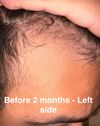
Hair growth progress using Propecia, Minoxidil, dermarolling, ketoconazole shampoo, and vitamins. Noticeable hair growth in temples after 3 months and 10 days.