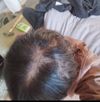
A user shared their progress after 8 months of using oral dutasteride, minoxidil, and ketoconazole shampoo for hair loss. They are very pleased with the results.
The user experienced noticeable hair regrowth using topical minoxidil and a dermaroller within a month. They are advised to consider DHT inhibition for lasting results.
The user stopped using finasteride and RU58841 and is considering CB-03-01 for androgenic alopecia but is concerned about the cost and effectiveness, especially at a lower dose than in clinical trials. They are also using minoxidil, micro-needling, and nizoral shampoo but are unsure about the correct application method for CB-03-01.
The user experienced significant hair regrowth using dutasteride 0.5 mg daily, 5% topical minoxidil twice a day, and microneedling over several months. They also used ketoconazole shampoo and rosemary oil, reporting some side effects but overall positive results.
A user is considering finasteride for hair loss and is concerned about its effects on DHT levels and potential side effects, including those from creatine. The user seeks advice on finasteride's impact on hair and body hair, given their high DHT and testosterone levels.
A 30-year-old uses Dutasteride, Minoxidil, biotin, dermarolling, Anaphase+ shampoo, and Nizoral for hair loss. Some commenters question the need for such extensive treatment given the minimal hair loss.
A 25-year-old male using Dutasteride, oral Minoxidil, and Ketoconazole shampoo is experiencing increased hair shedding and vellus hair growth along the hairline. Concerns are raised about whether this is a seasonal shed or a potential setback.
The user switched from finasteride to dutasteride for hair loss treatment, also using topical minoxidil, micro needling, keto shampoo, and PRP sessions. They've seen improvements, with reduced hair shedding and new hair growth, especially at the hairline.
A female, aged 17-18, is experiencing significant hair loss, feeling hopeless despite trying various treatments like leave-in conditioners, omega-3s, supplements, sulfate-free shampoo, and biotin. She is distressed as her hair continues to thin, affecting her body image and self-esteem.
User shared 18-month progress using 1 mg finasteride daily and varying doses of oral minoxidil. Minoxidil caused side effects managed with taurine, dandelion root, sauna, and collagen.
A 28-year-old male is experiencing hair loss despite using topical and oral Minoxidil, oral Finasteride, and recently switching to oral Dutasteride. He is considering whether to return to topical Dutasteride or add Dutasteride mesotherapy to better target scalp DHT.
The conversation discusses a person's hair regrowth after using dutasteride for 40 days and topical minoxidil for 55 days, along with weekly dermarolling. They are considering switching to oral minoxidil and asking about potential recovery.
A 20-year-old is using oral and topical finasteride, topical minoxidil, ketoconazole shampoo, rosewater, Adgain tablets, creatine, and derma stamping to address hair loss. There is a debate about creatine's impact on hair loss, with some suggesting it increases DHT, while others disagree.
The conversation discusses using topical cetirizine for hair loss and questions its effectiveness and preparation. A user expresses interest in trying it if it can be dissolved in minoxidil.
The user shared their 18-month hair loss treatment progress, using finasteride three times a week, daily minoxidil, weekly vitamin D, and bi-weekly nizoral shampoo. They experienced initial shedding and greying, but are satisfied with the results.
Hair loss treatment should target dermal white adipose tissue (DWAT) to restore hair follicles. Potential remedies include tocopherol (vitamin E), botox, rosiglitazone, niacin, kojyl cinnamate esters, and ADP355.
The user discussed switching from RU58841 with Minoxidil to Finasteride due to cost, noting better physical feelings and hair growth with RU58841. They are considering returning to RU58841 and checking DHT levels after a month.
The conversation is about using GHK-Cu, a copper peptide, for hair loss treatment. Users discuss their experiences, dosages, and additional benefits like improved skin and energy.
Dutasteride effectively reduces DHT levels and significantly increases testosterone levels. Users are cautious about adding oral minoxidil due to potential heart issues and are considering dosage adjustments with medical guidance.
The user experiences irritation from alcohols in minoxidil and is considering alternatives like trichosol mixed with polyethylene glycol or DMSO. They seek advice on the best nonirritating option.
The user started using oral minoxidil and estradiol in August 2025, added finasteride in December, and experienced significant hair shedding in February/March. They switched to estradiol injections and are considering their hair washing routine, while another user suggested consulting a dermatologist and possibly trying dutasteride.
Sodium dodecyl sulfate, oleic acid, and palmitoleic acid may promote hair growth, but their safety and effectiveness for humans are uncertain. Users consider trying these treatments cautiously, exploring alternatives like ostrich oil and microneedling.
The conversation is about a user switching from finasteride to dutasteride after 4 years due to continued hair recession and miniaturization. The user plans to gradually increase to 1mg of dutasteride daily.
An 18-year-old is using a high-dose hair loss treatment regimen including finasteride, minoxidil, dutasteride, and plans to add RU58841 and bimatoprost, despite warnings from others about the risks. The user is determined to reverse hair loss but acknowledges the potential dangers and does not recommend others follow their approach.
OP used a finasteride and minoxidil topical spray from HIMS for 11 months with positive results and no side effects. Users discussed the effectiveness, dosages, and alternatives, with many congratulating OP on the impressive progress.
The conversation discusses hair loss treatments, specifically using dutasteride (0.5mg daily) with no side effects reported after two months. It also mentions the health benefits of one meal per day and the low incidence of side effects.
The user switched from finasteride to 0.5mg oral dutasteride and added 2.5mg oral minoxidil, along with occasional microneedling, to improve hair regrowth. They reported no side effects and are hopeful for continued progress, especially in the temple area.
The conversation discusses hair regrowth using oral minoxidil 2.5mg and dutasteride 0.5mg, with some users reporting positive results. Others share their experiences with similar treatments, expressing hope for improvement and discussing side effects.
A user shared their 8-month progress using oral dutasteride and 2.5 mg oral minoxidil daily, reporting improved hair density with minimal side effects, except for a slightly decreased libido. They did not use any supplements but occasionally used a derma stamp.
A user shared their 1.5-year progress after a FUE crown transplant, using dutasteride and oral minoxidil, which improved their hairline and stabilized hair loss. They experienced dizziness from topical minoxidil but had no side effects from finasteride, dutasteride, or oral minoxidil.